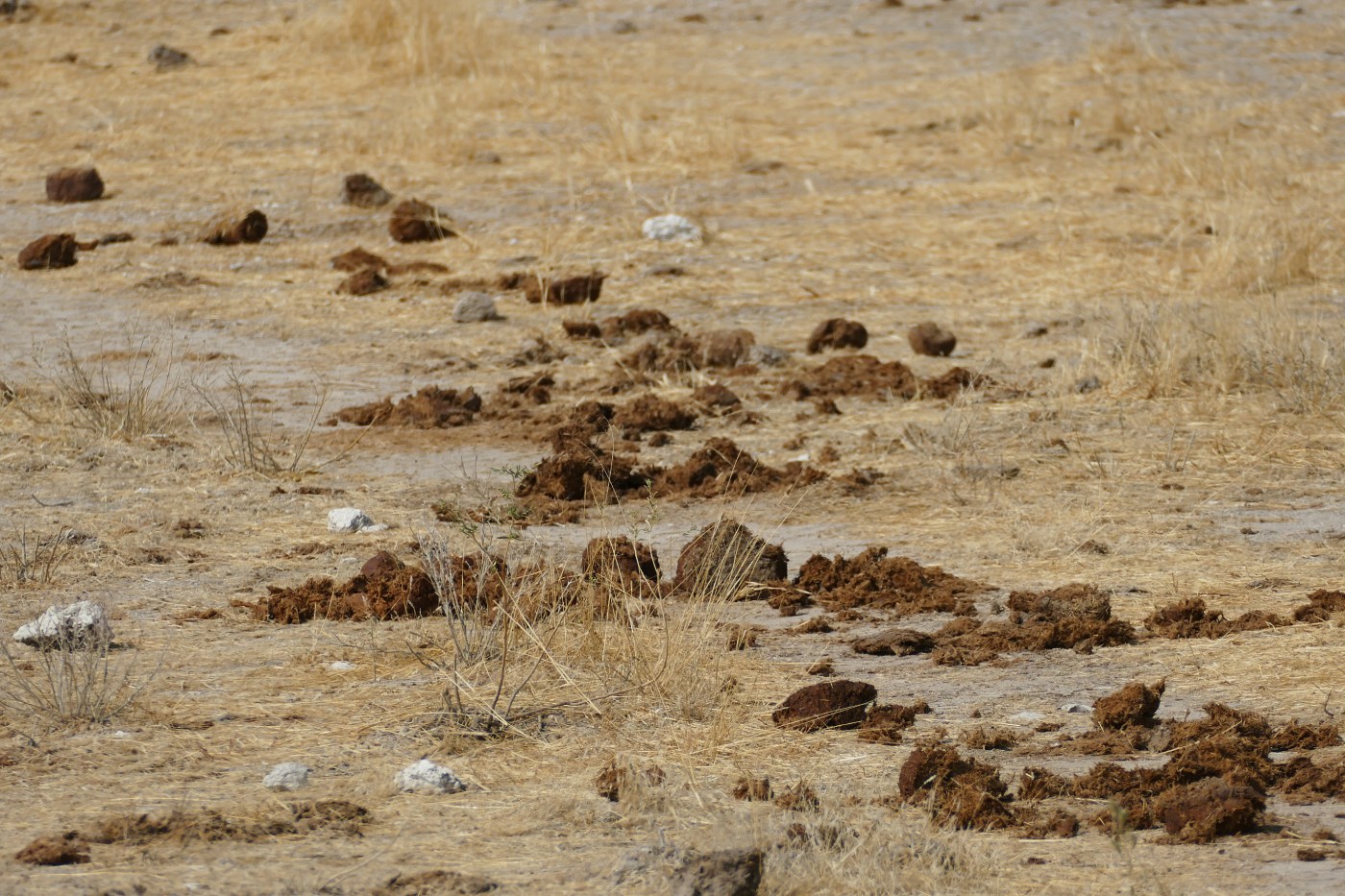
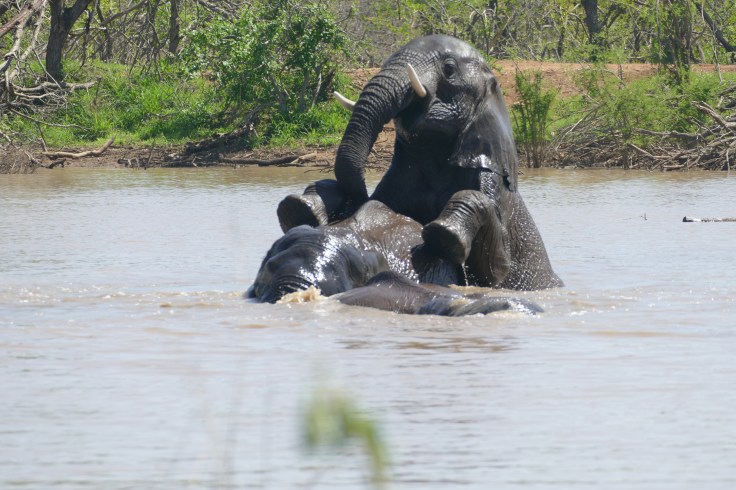
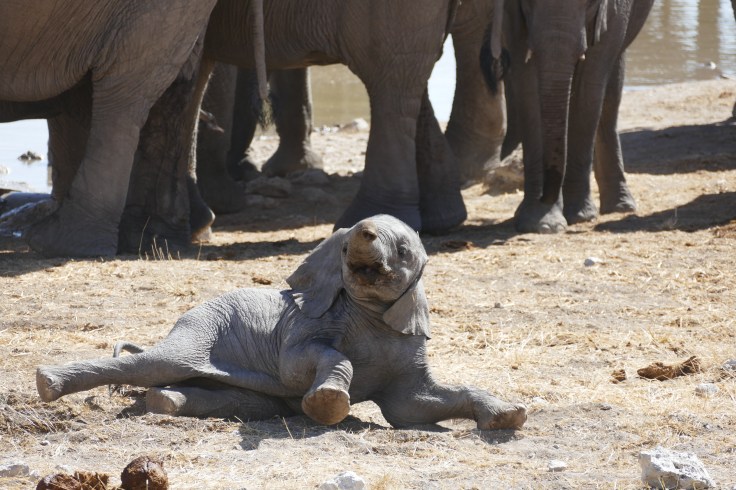
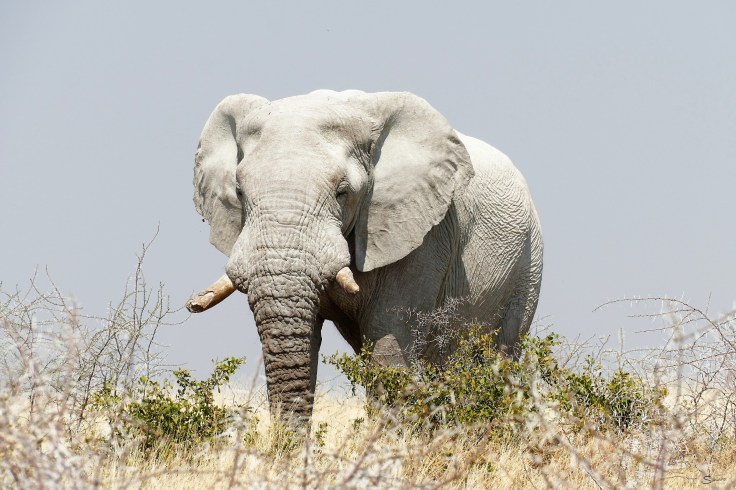
I always thought that we humans are destructive, but I had to learn my lesson. A lesson given by the Elephants.
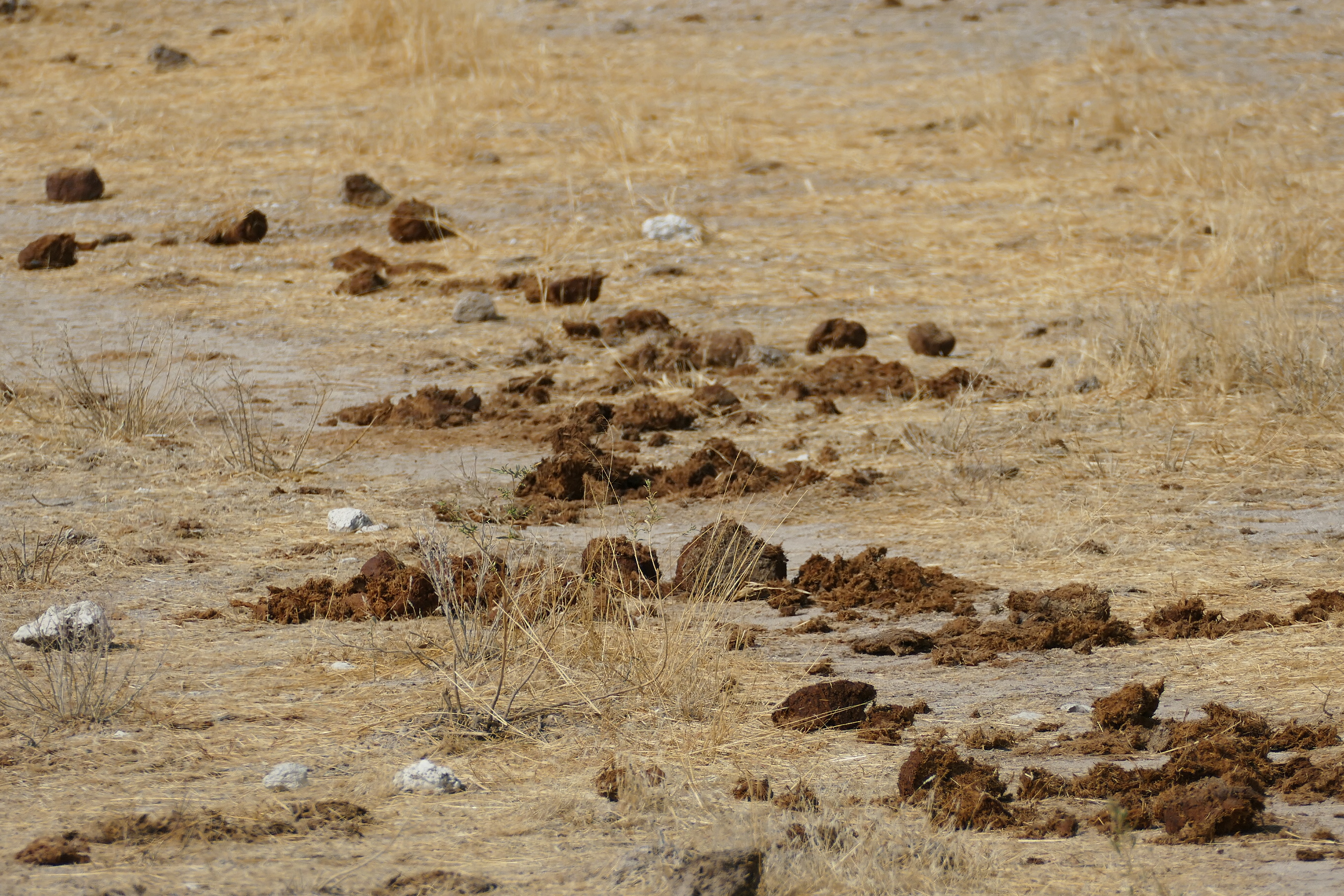
They rip down trees and bushes, they trample down everything and I do not even want to talk about their dung covering the ground EVERYWHERE! My word, this is not right!
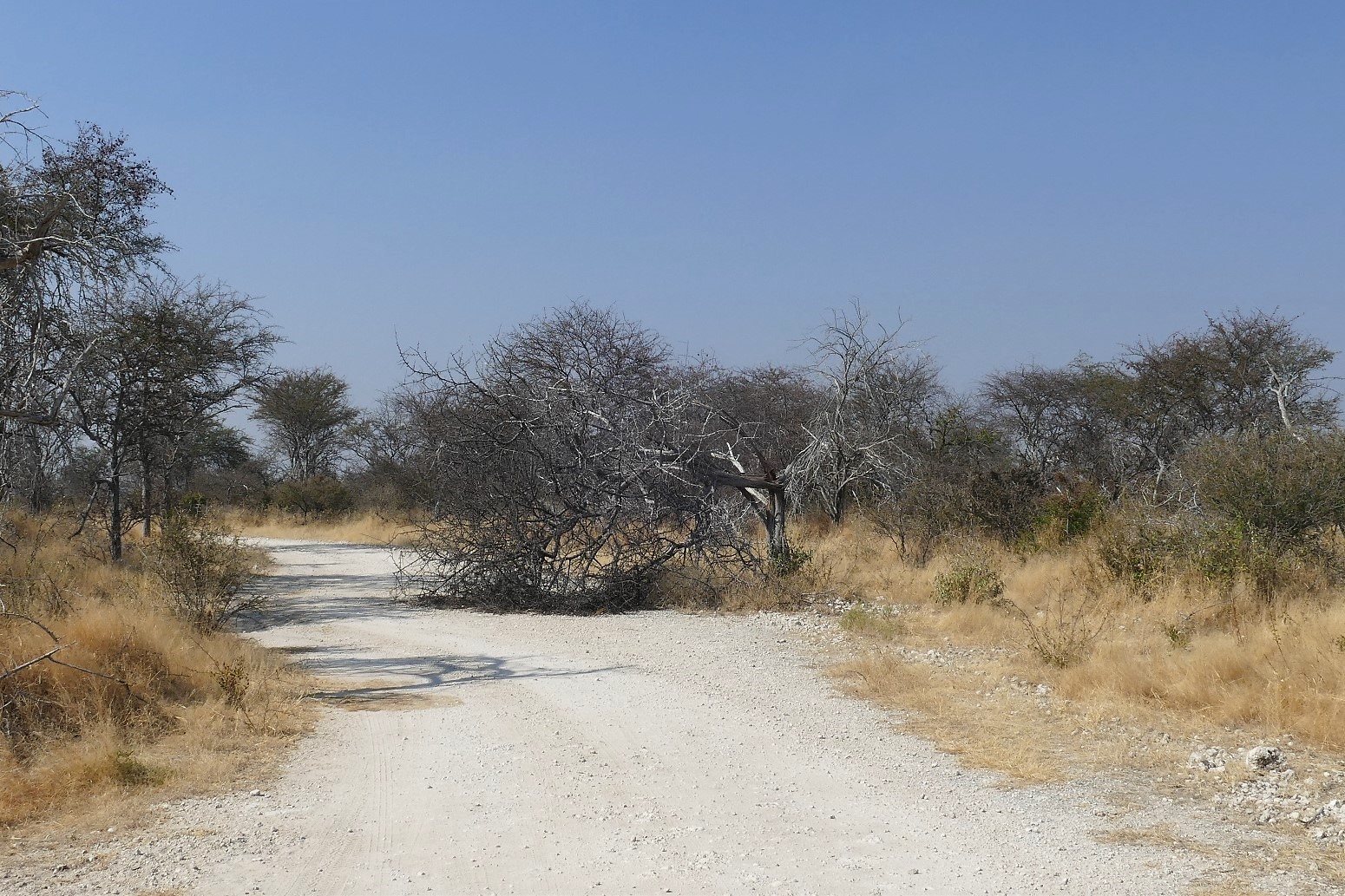
Am I serious? Of course not!
In comparison to us humans this all serves a purpose and elephants – among other animals – play a vital role in the ecosystem.
Yes, they trample down forests and grassland, but at the same time this creates room for smaller species to co-exist and creates a higher plant diversity in those areas.
Yes, they rip down bark from plants or even root out whole trees, but the bark is decomposed, and nutrients brought back into the soil.
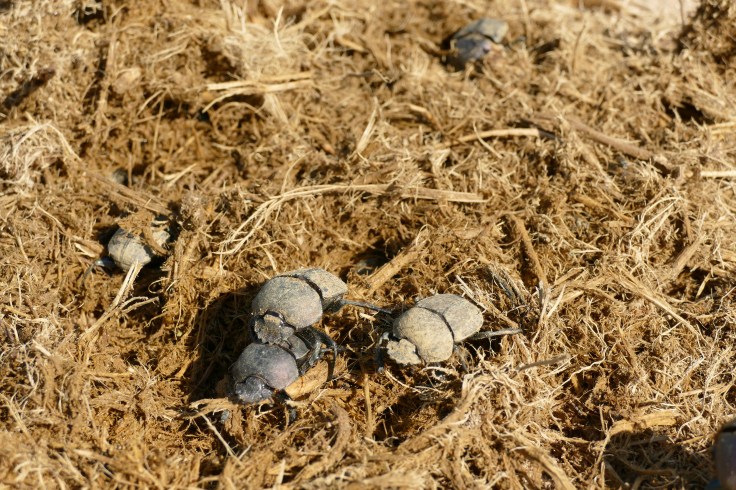
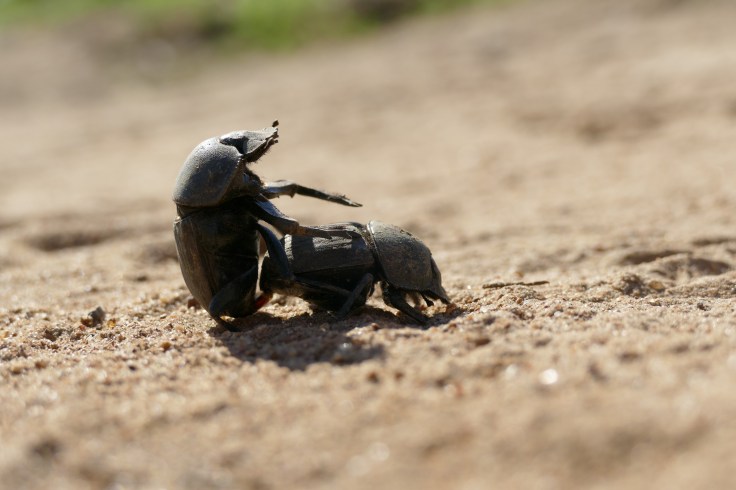
Yes, their dung is everywhere, but it is an important fertilizer for the ground, but also provides a food source for other animals, such as baboons, birds, dung beetles and termites.
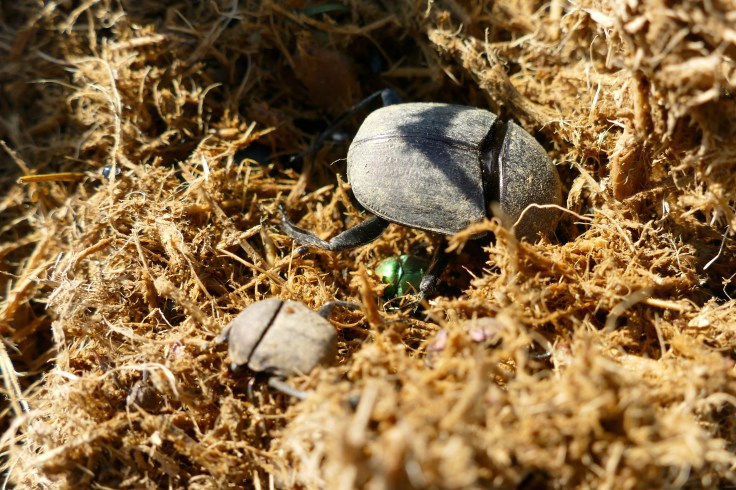
Only a few examples of the value of elephants (apart from them being just amazing and beautiful animals).
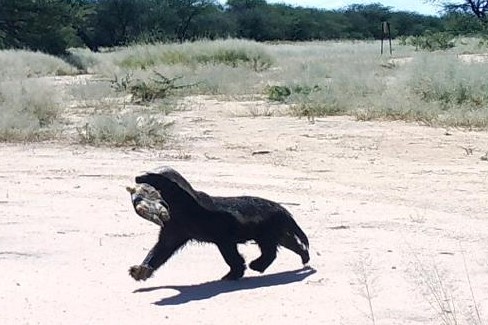
| Elephants in the Ecosystem Elephants play a crucial role in our environment. They provide numerous ecosystem services, such as providing food, shelter and water, helping to create pathways in forests, and identifying salt licks. Seed dispersal Elephants are herbivores and eat seeds that are then planted elsewhere via their dung which also increases the diversity in that area. The loss of elepants would lead to loss of plants and as a result loss of food and habitat for other animals. Habitat architecture Elephants can modify and maintain the physical environment around them in a way that benefits the whole wildlife community. Their “destructive” activity produces new habitat for smaller animals like lizards, which show a strong preference for elephant-damaged trees, using the crevices created by broken tree limbs and torn bark to find refuge. New paths Elephants are a solid, well-built species, which means that they are capable of trampling quite a few plants while walking from one area to another. This creates a clearance in densely vegetated areas, enabling smaller animals to move more freely. Similarly, elephants pull down and uproot thorny bushes, which further helps in clearing safe pathways for smaller animals. The clearance of some thorny bushes also allows more light to reach the ground, which promotes the growth of new plant species and reduces competition. Elephants are not only clearing the way for smaller animals, but also creating more opportunities for plants to flourish! Food source Birds, baboons, insects … Elephant dung is a food resource for many species. Given that elephants defecate over 15 times per day, their dung creates ample food for those species who rely on it. As a result, innumerable insects swarm near freshly deposited dung. These swarms then act as a food source for birds who feed on these insects. Dung beetles are also known to collect elephant dung and store it as a source of food for their larvae. Honey badgers then capitalize on this collection and feed on beetle larvae! Water Elephants are well-known for their knowledge about invisible water sources. In droughts, they can be observed digging for it in dried-out riverbeds and therefore also allowing other animals to profit from it. Salt licks Minerals are essential for the growth and development of most creatures, including elephants. In the wild, elephants obtain the minerals they need from plants. When resources are scarce, however, they can obtain other minerals, especially sodium, directly from the soil. Elephants, who have a good sense of smell, use their trunks to detect areas in the ground that have large quantities of minerals. They will then use their tusks to dig into the soil and then bend down to eat it. These salt lick sites are not only used by elephants, but also other herbivores who may need to increase their mineral intake. Bush encroachment Elephants also modify savannah habitats by pulling down trees and breaking up thorny bushes. This assists in keeping the savannah an open plain, interspersed with trees and bushes – instead of overrun by them – and supports the type of species that like to live in the savannah biome. 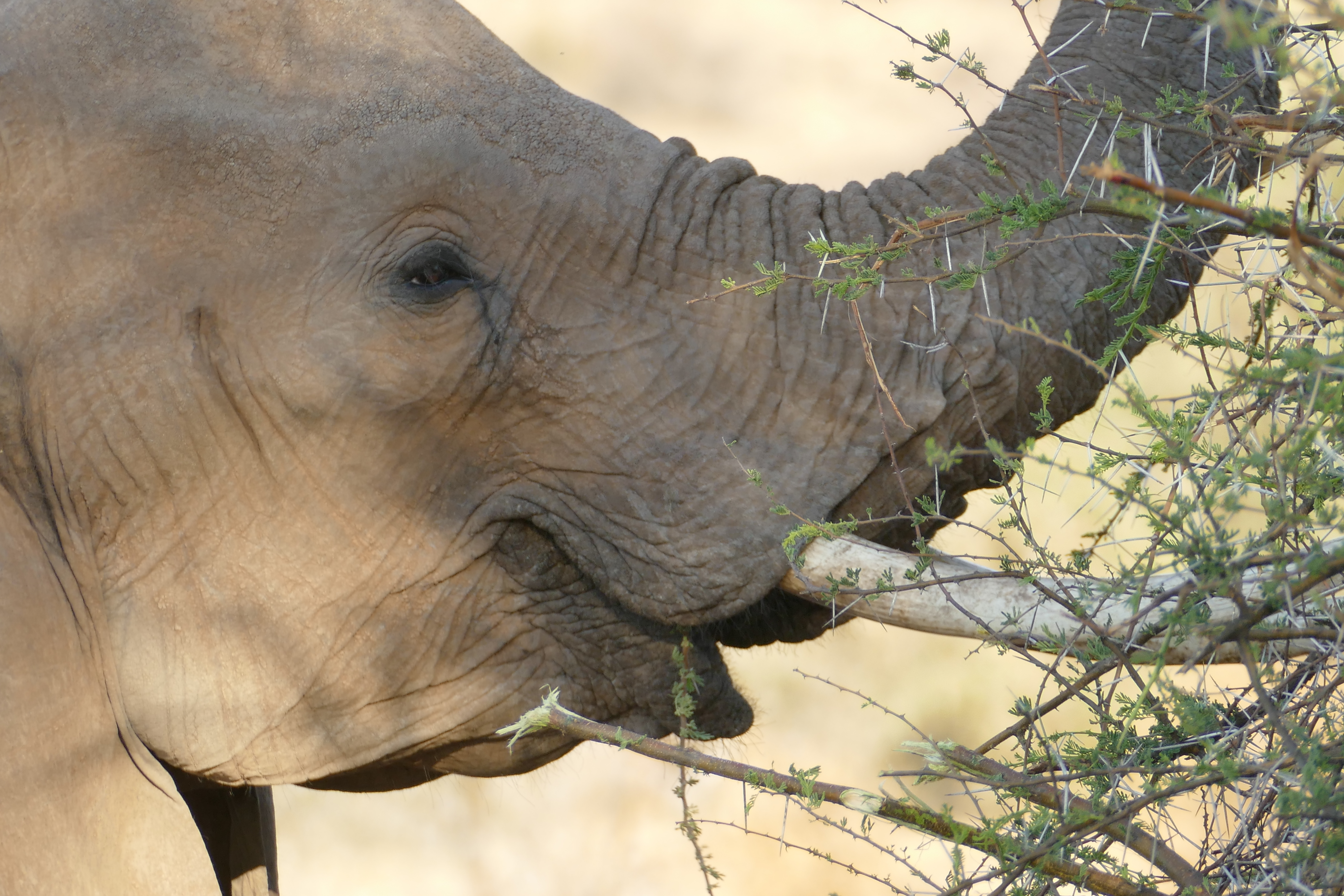 Sources https://africanelephantjournal.com/the-ecological-role-of-elephants-shaping-the-land-and-lending-a-hand/ https://www.scienceabc.com/nature/animals/what-role-do-elephants-play-in-ecosystems.html https://www.gvi.co.uk/blog/4-reasons-need-elephants/ |
Now back to us …
Nature did an awesome job over the last millions of years in designing the world as it is, but we think we know and can do better. We made ourselves the “architects of the environment” irrespective of the impact and consequences.
- I agree that dung everywhere is not the prettiest thing to see (or step in 😊) but it goes back into the nutrient lifecycle whereas plastic and foamed polystyrene are not decomposable AT ALL. Why do we think it is okay to through it into the forest or even to produce it?
- An orange or banana peel is not sufficient, but we rather put a plastic wrap around it.
- Organic “waste” plays a vital role for decomposers (ants, beetles, bacteria) to survive, but we rather get rid of all the leaves in autumn and even pack our dogs scat in (non-decomposable) plastic bags, taking away food and shelter for our little helpers.
- Meet, vegetables and fruits contain all nutrients we need and they taste good by default, but we think it is not enough and add sugar, preserving agents, artificial colouration and flavour or even antibiotics to it.
- Meet, vegetables and fruits are good as they are, but we genetically modify them and.
- Trees naturally grow all over the place and in “mixed herds”, but we think it is better in a straight line and created monocultural forests, ignoring the disadvantages of it.
- Insects are vital for our ecosystems as food source and for pollination, but we think it is okay to use pesticides all over cause to “protect” our harvest, complaining years later that the apple crop is not so good any more – which is not acceptable for Frankfurt. We can´t live without our “Äbblewoi” (apple wine).
- Flowers are not only beautiful but also clean the air and serve as food for insects, but we plaster our garden with stones cause it looks so neat and tidy. Probably it will not be a problem in future once the insects died anyway …
- Pigs love running around, mud-bathing and digging, but we think they are okay living a life-time without sunlight and in a one square meter crate.
- Animals have feelings, but we think it is okay to remove the cow´s baby from her just after it´s born.
Our Earth is such a beautiful and diverse place and the only one we have.

Why do we not want to save it? Why don´t we care? Why are we humans called intelligent and empathic and then accept exploitation of nature and animal abuse?
Those questions haunt me for a long time but at the end I always come to the same exclusion: materialism, selfishness and comfort. We CAN live differently, we simply DO NOT WANT.
I am vegetarian for thirty years now and do not miss anything. I became a vegetarian after I watched a documentary about animal transports and stopped eating meat the next day. To me, it is simply important to live a life without as few negative impact on nature as possible but it is a struggle:
- I cannot by any food as I want to avoid palm oil.
- What is the problem? To “produce” it, the rain forest is destroyed, native plants and animals loose their habitat, are killed or orphaned. I do not even understand why we need this ingredient in so many products and try to avoid it as far as possible but it is not easy as palm oil is hidden in pudding, mousse, chocolate spread, instant products, shampoo, bread, soap, …
https://www.wwf.org.uk/updates/8-things-know-about-palm-oil
- What is the problem? To “produce” it, the rain forest is destroyed, native plants and animals loose their habitat, are killed or orphaned. I do not even understand why we need this ingredient in so many products and try to avoid it as far as possible but it is not easy as palm oil is hidden in pudding, mousse, chocolate spread, instant products, shampoo, bread, soap, …
- I cannot buy any item that I want.
- What is the problem? I try to avoid plastic and other non-composable items as much as possible, but most things are packed in those, littering oceans, forests, and mainly everything. I recently found a porcupine dung just outside the house and can you imagine, a piece of plastic was inside. Luckily, the porcupine did survive this incident but I think everyone has seen images of animals that were killed by plastic, either they got stuck in it or starved by eating it.
https://www.plasticsoupfoundation.org/en/plastic-problem/plastic-affect-animals/
- What is the problem? I try to avoid plastic and other non-composable items as much as possible, but most things are packed in those, littering oceans, forests, and mainly everything. I recently found a porcupine dung just outside the house and can you imagine, a piece of plastic was inside. Luckily, the porcupine did survive this incident but I think everyone has seen images of animals that were killed by plastic, either they got stuck in it or starved by eating it.
- I cannot buy any cosmetic product I want.
- What is the problem? Most cosmetic products still undergo animal testing and I think that needs no explanation. So many creams, shampoos, mascaras, make-ups are already exist on the market and still we need more inventions. What is wrong with what we already have? Luckily, there are a lot of vegan cosmetics but again, we need to be careful with the declaration as many are misleading.
https://ethicalelephant.com/cruelty-free-vegan-labels-logos/
- What is the problem? Most cosmetic products still undergo animal testing and I think that needs no explanation. So many creams, shampoos, mascaras, make-ups are already exist on the market and still we need more inventions. What is wrong with what we already have? Luckily, there are a lot of vegan cosmetics but again, we need to be careful with the declaration as many are misleading.
- I cannot by any clothes as I want to avoid animal products in them, such as wool and fur.
- What is the problem with wool? I once saw a documentary about “mulesing” in sheep in Australia: Sheep were fixed and skin and flesh cut off from the animals backsides to prevent “flystrike” (flies laying their eggs into the skin of the sheep). Since then I am simply not sure where the wool comes from and try to avoid it completely.
https://www.peta.org.au/issues/clothing/cruelty-wool/
- What is the problem with fur? I am vegetarian so avoid animal products in general but even “artificial fur” is often not free from animal. Especially clothes produced in Asian countries often contain cat and dog fur from stray animals that are collected on the streets, thrown into a track (where a lot of them suffocate) and then released of their skin often while alive. The fur is then used in clothing and for whatever reason (maybe gaps in the law or lacking control) declared as artificial fur to fool the consumer.
https://www.peta.org/issues/animals-used-for-clothing/fur/chinese-fur-industry/
- What is the problem with wool? I once saw a documentary about “mulesing” in sheep in Australia: Sheep were fixed and skin and flesh cut off from the animals backsides to prevent “flystrike” (flies laying their eggs into the skin of the sheep). Since then I am simply not sure where the wool comes from and try to avoid it completely.
- I cannot eat or get a drink anywhere.
What is the problem? I definitely do not want to support animal abusing locations like KFC, McDonalds and all the others (wherever you get cheap meat, it is on costs of animal welfare). I won´t even buy a coffee there. Another reason is the usage of take-away packaging material. Most places still use plastic for it although alternatives exist. I love my coffee-to-go and always have my cup with me but have a couple of times being rejected with the explanation that “hygiene regulations do not allow to take foreign items over the counter”. Are you kidding me? - I cannot support any sanctuary or “conservation organisation”.
What is the problem? A lot of volunteer work is connected with money and often you volunteers pay a lot to be able to “help” those organisations. The money is said to be used for conservation and animal welfare and if so, this is acceptable, but often this is simply a lie and only filling peoples pockets rather valueing the animals itself (of course there are exceptions). It is a big industry especially in southern Africa but everywhere in the world. Since I got into touch with this topic here in Africa, I will only use this example but whenever animal interaction is somehow involved, think twice and be alert. If you wanna do good, do your homework and research for really good places.
http://www.cannedlion.org/cub-petting.html - I cannot buy any food or beverage any more.
What is the problem? A lot of products (even vegetarian ones) contain hidden items linked to animals, e.g. orange juice may contain omega-3 from fish oil, and this is something I really want to avoid.
https://www.momtastic.com/webecoist/2011/05/09/12-seemingly-vegan-vegetarian-foods-that-really-arent/ - I cannot buy any egg
What is the problem? I am not willing to support this kind of industry where chicken are held in small enclosures, cannot dig around and just suffer all their life.
https://www.peta.org/issues/animals-used-for-food/factory-farming/chickens/chicken-industry/ - I struggle to consume dairy products.
What is the problem? I love cheese but try to avoid dairy, again, because I am not willing to support the industry behind it, where animals live an awkward and sad life, where they do not see sunlight or rain, where babies are taken away from their mom. And even when looking for alternatives, such as soya, this is often connected with exploitation, it is a tragedy.
https://animalequality.org/issues/dairy/ - I struggle with vacation.
- What is the problem? I love to see and explore different countries and cultures, but my carbon footprint is terrible. I still do it, but I think twice and look for alternatives as well.
This is just an extract of my daily struggles but wherever I look into, I find abuse and exploitation. It is terrible and I often hate the world but although it gives the impression that I live a sad and restricted life, I DO NOT!
It is certainly not as easy and comfortable as it was before I got to know all these things, but my life is pleasing, colourful and enriched. Not only now, but already back in Frankfurt.
I find so many great recipes when I started buying less convenience products but cooking more.
I spend so much less time in front of my wardrobe since I reduced my amount of clothes, shoes and bags (and I am not done yet!).
I meet so many nice (often also weird) people when I go shopping by foot and also see a lot more on my walk to the supermarket, like the lovely blooming trees beside the road that I would not appreciate while in a car.
I produce less waste since I visit more markets instead of buying everything in a supermarket (in supermarkets it is often not allowed to bring own packaging items, how strange is that?).
I can still go into the supermarket and buy things, I can still travel, I can still wear clothes, listen to music, and read. My life is brilliant, it is just organized in a different way and leaving my comfortable zone made me to who I am, led me to where I am, and on my path I met passionate and inspiring people. I cannot complain so far and I will not. I am happy!
Good night,
Sininho
 Sininho´s World
You must be logged in to post a comment.