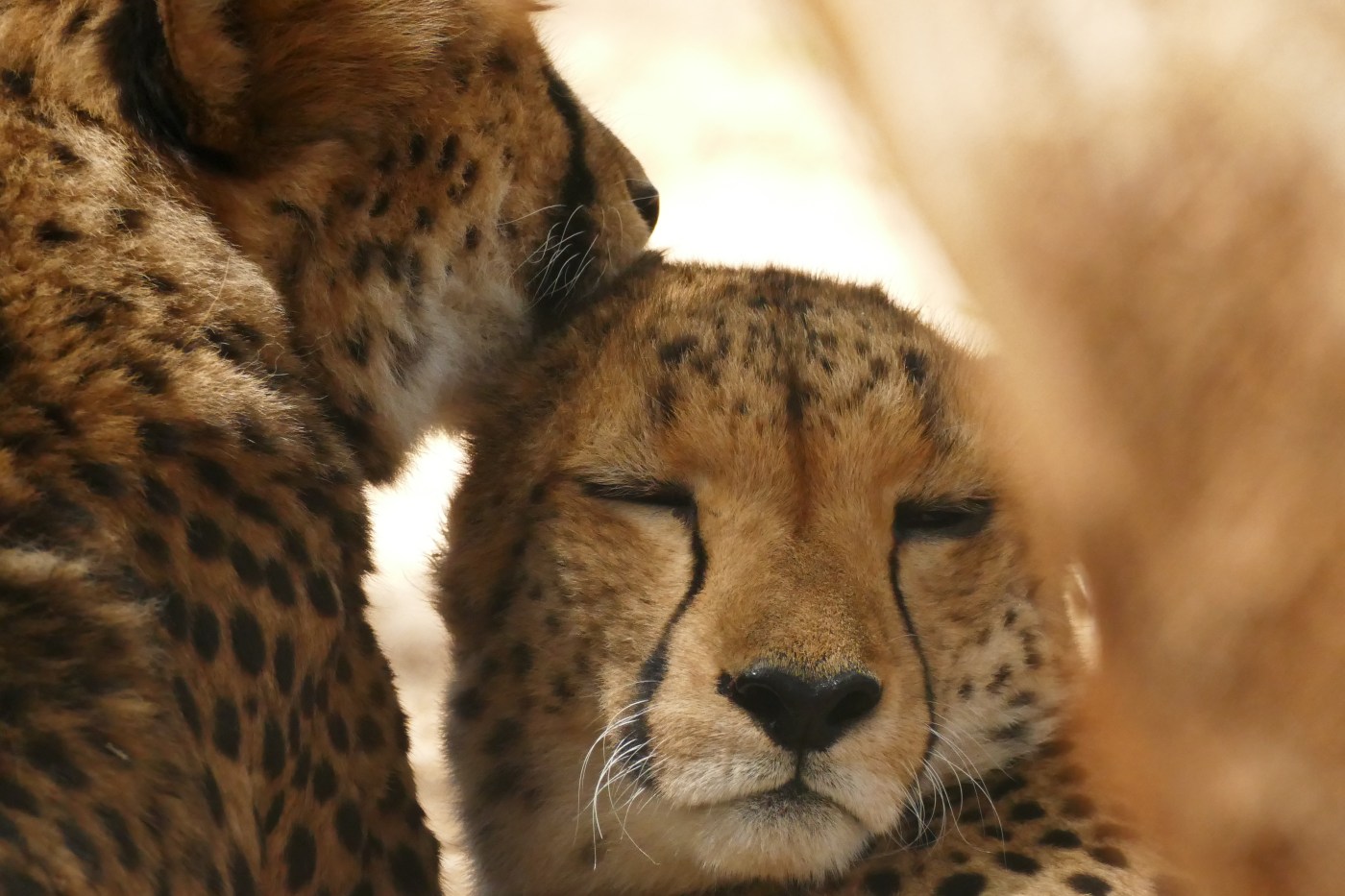
Illegal trade, human-wildlife-conflict and habitat loss are the major threats that African predators face. Cheetahs often become victims of those unfortunate circumstances: people keep them (illegally) as pets, farmers catch them in traps or simply shoot them as they are considered as a threat to their livestock or game, they are orphaned when their mothers are shot.
I still find it hard to see animals behind fences. It simply feels wrong, but I am glad that I got to know places where people take care of these amazing animals and that give them a voice. Nevertheless, I have the feeling that we will still need some more years, if not centuries, before we come to a point where we humans find a way to share the environment with the wildlife out there. With a threating number of estimated less than 7000 cheetahs out in the wild, I hope they make it until then. The world would lose an amazing animal.
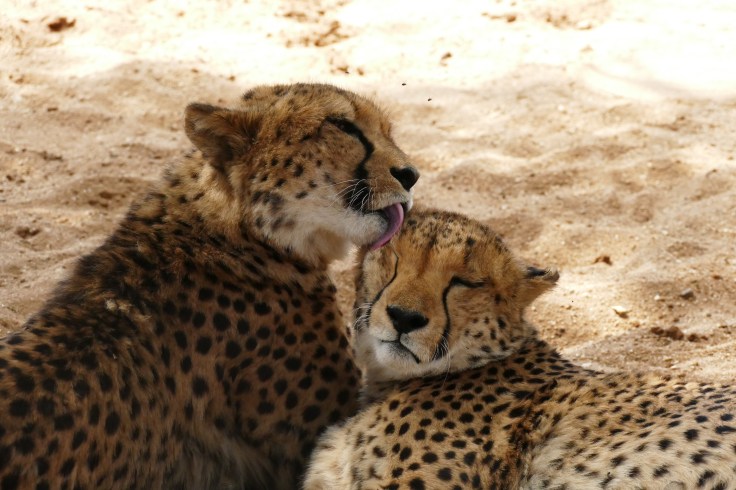
Numerous cats usually live a solitary life. In cheetahs however, different social structures can be found: Females are mostly solitary or seen with cubs, whereas males often live together in coalitions (most likely littermates). In those groups they hunt together, and a lot of grooming and simply hanging around together can be seen.
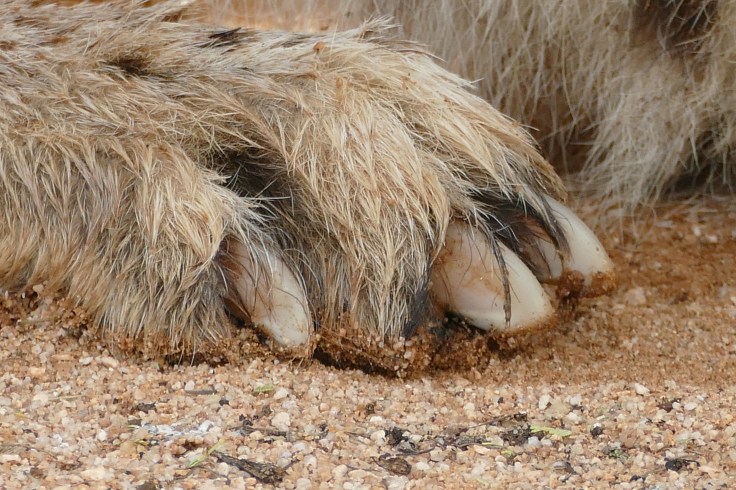
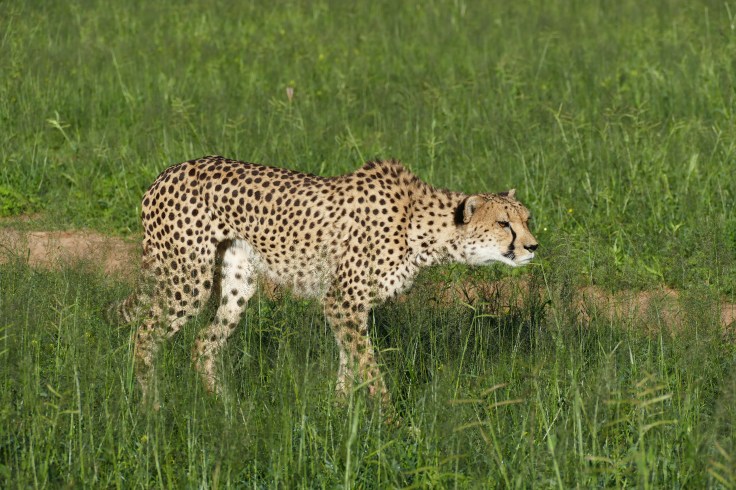
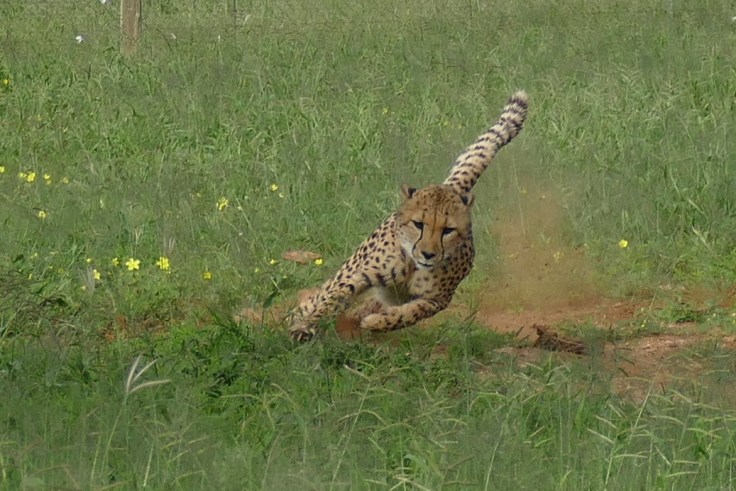
Unlike other cats, cheetahs can not fully retract their claws. The cheetahs´ super force is speed and these semi-retractable claws help them to accelerate from 0 to 100 km/h in only three seconds. In captivity, cheetahs do not need hunt for their food, they get fed regularly, but the hunting instinct is still there and to keep them enriched, exercised, and mentally stimulated, “cheetah runs” are performed. For this, a lure (a cloth or old shirt in our case) represents an artificial prey item that is moving at speed to stimulate the cheetahs´ hunting instinct. It is fascinating to see how focused they are and how they speed up.
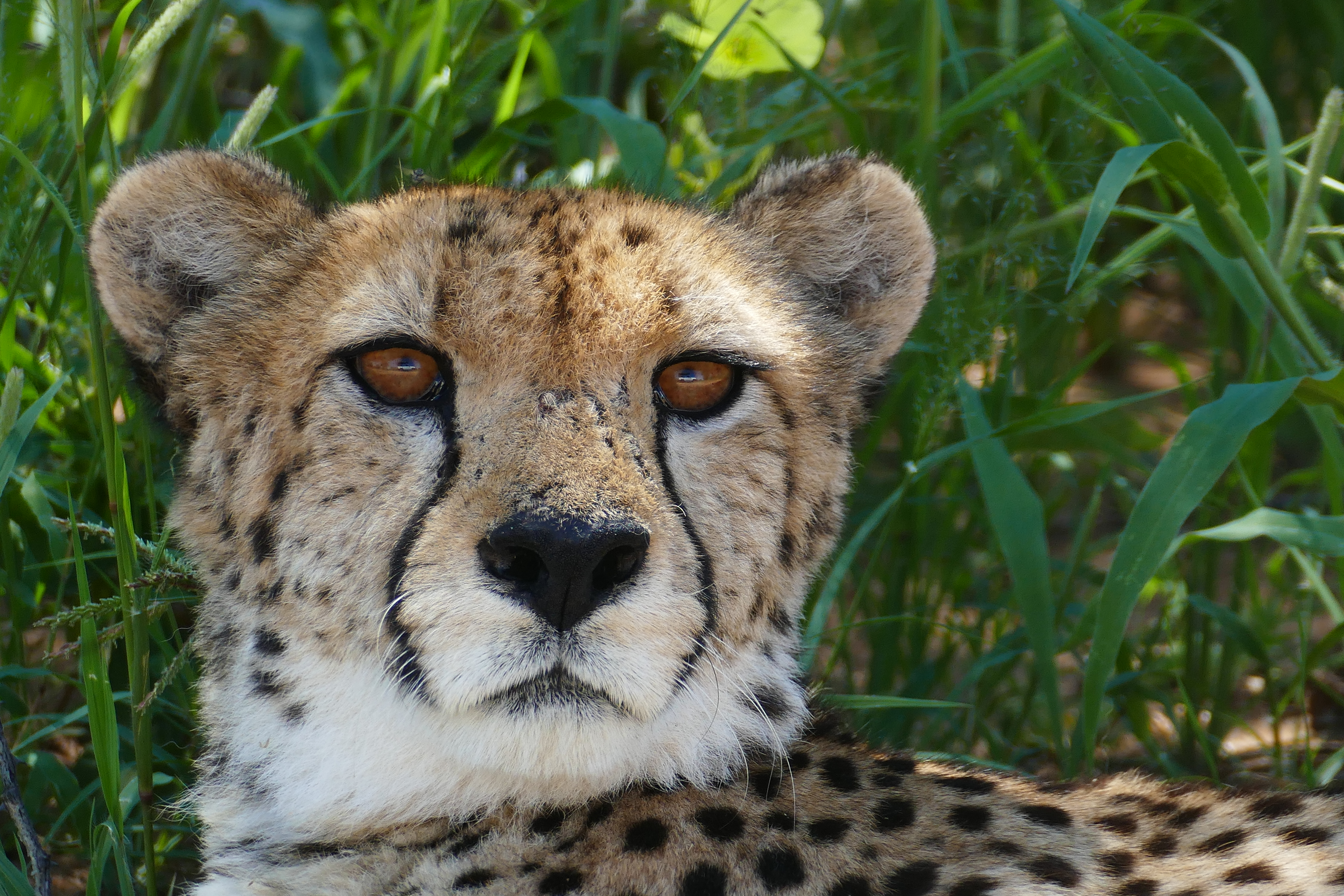
What always stroke me most with the cheetah is the face. These amber-coloured eyes are just incredible and it is easy to get lost in there.
The unmistakeble black marking from the eyes down along the nose to the edges of the mouth is called a tear-mark. Cheetahs are diurnal and it is supposed that this feature helps them reflecting the sun’s glare. But the Zulu tell you the real story about why the cheetah has tearmarks.
More about the lifestyle of cheetahs can be found HERE.
Good night,
Sininho
 Sininho´s World
You must be logged in to post a comment.