Plain´s zebra
Equus quagga
Description, Habitat & Distribution
Lifestyle, Behaviour & Social life
Communication
Diet
Reproduction & Lifestyle
Did you know?
Folktales & Traditional Stories
Description
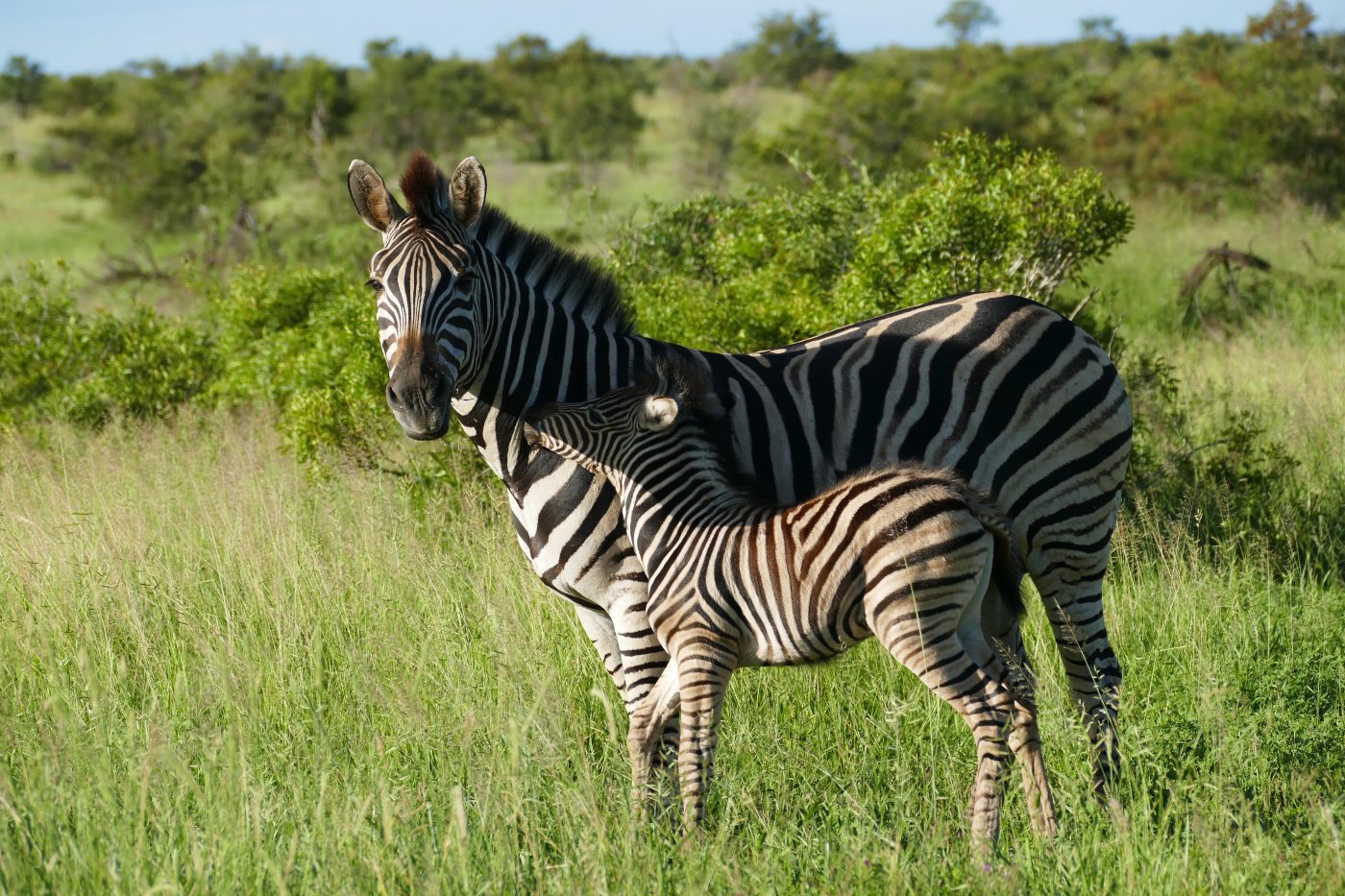
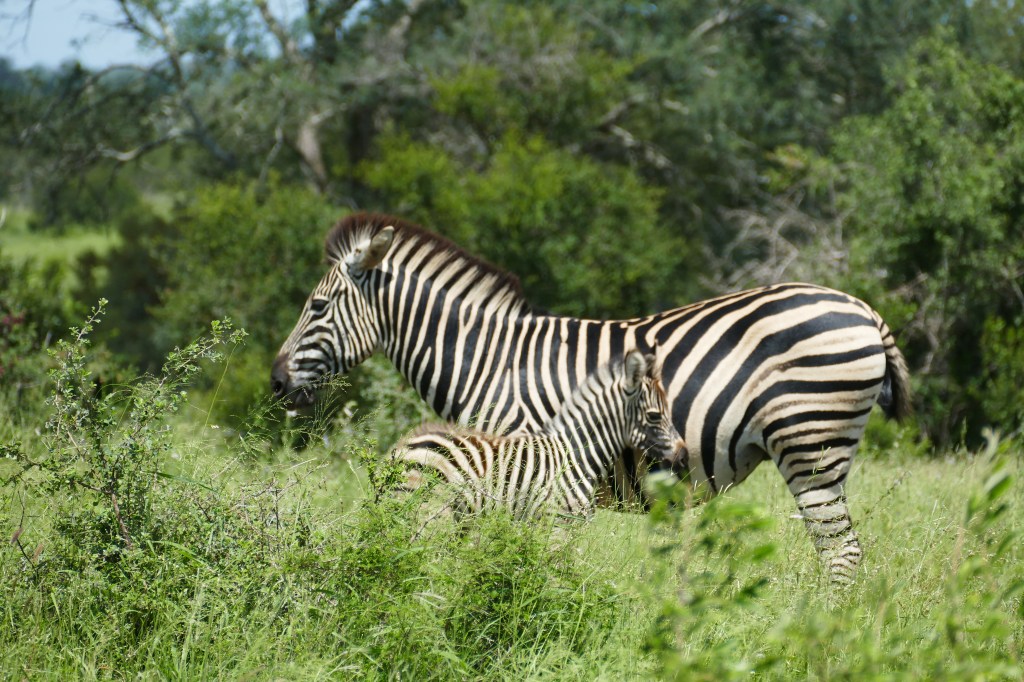
Plain´s zebras are quite easy to identify, with their typical black-and-white-striped fur accompanied by characteristic brownish shadow stripes. They show no obvious sexual dimorphism, which means that both sexes look identical to the females, except that males are slightly bigger and most times you see them in a group.
Habitat
Open grassland, savannah, scrub and woodland.
Distribution
South Sudan and southern Ethiopia, east of the Nile River, to southern Angola and northern Namibia and northern South Africa.
Lifestyle, Behaviour & Social Life
Gregarious
Non-territorial
Diurnal
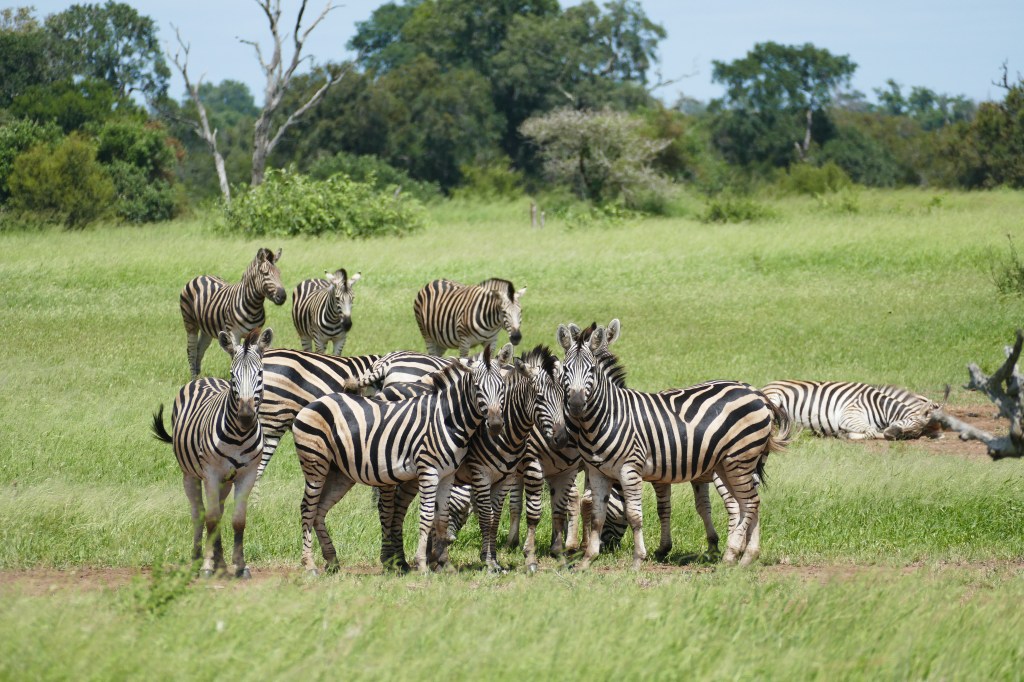
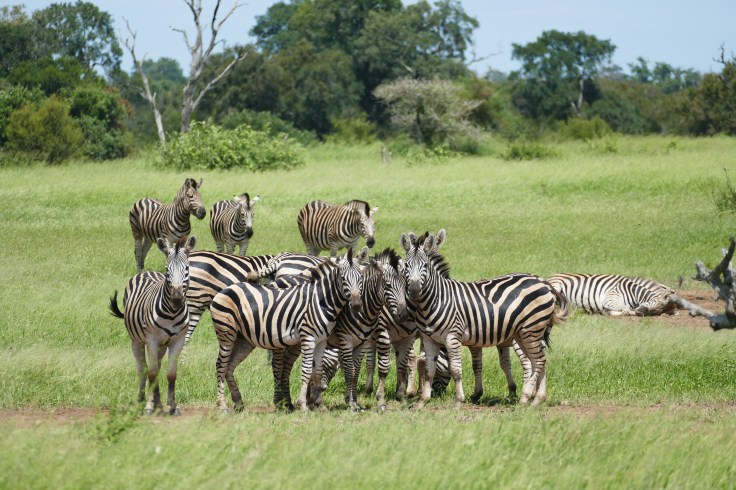
Zebras are highly gregarious animals and form permanent, harem-based units with a core of females including their offspring, and a male – the so called stallion – that leads and protects the herd. To do so, they fight with any other male that challenges him and you can see them trying to bite each other in the neck or the knees.
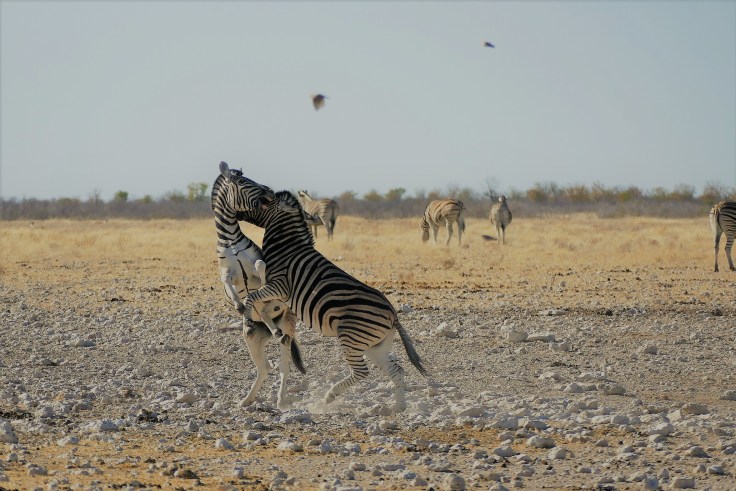
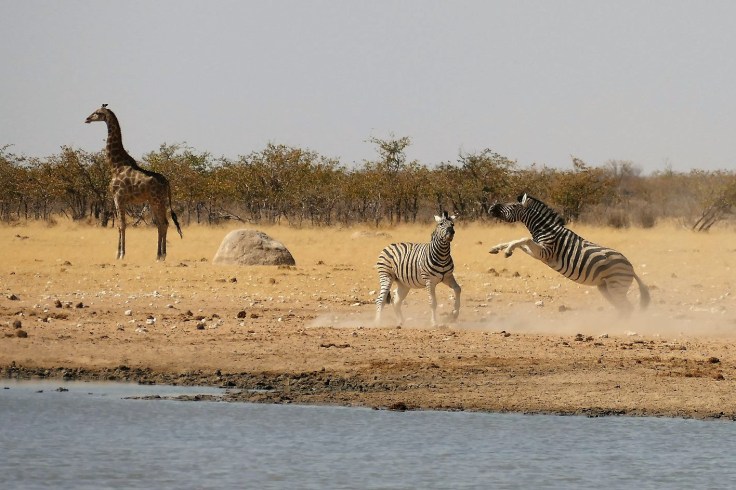
An average herd size counts 12 to 15 and there have a rank hierarchy inbetween the females (also called mares). Young males or males without a herd also built bachelor herds. When bigger herds are seen, usually during migration, these are composed of several harems.
Zebras often graze together with other herbivores, such as impalas or wildebeest. This provides a better protection against predators, like lions. Should they still be attacked, they run away in hope that the chaos of stripes makes it hard for the invader to identify and kill an individual.
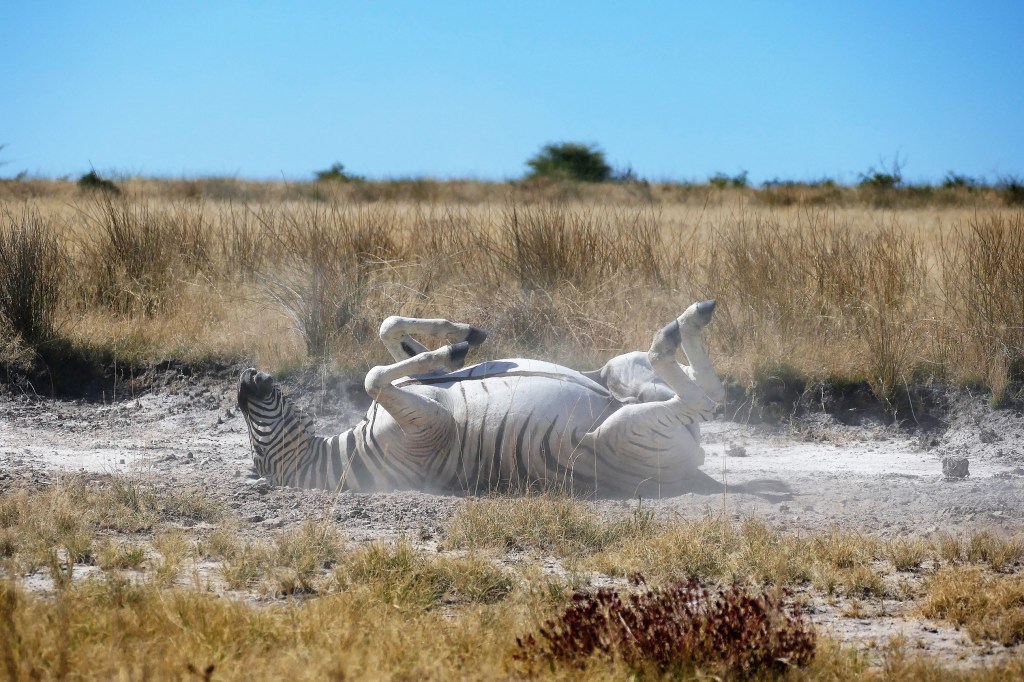
Zebras are diurnal and most active in the mornings and evenings. Most of the time they spent grazing but during the heat of the day, they are often seen resting under trees or shrubs. Other than that, they commute to water or take dust-baths which helps to cool down and to get rid of parasites.
Diet
Herbivorous (Grazer)
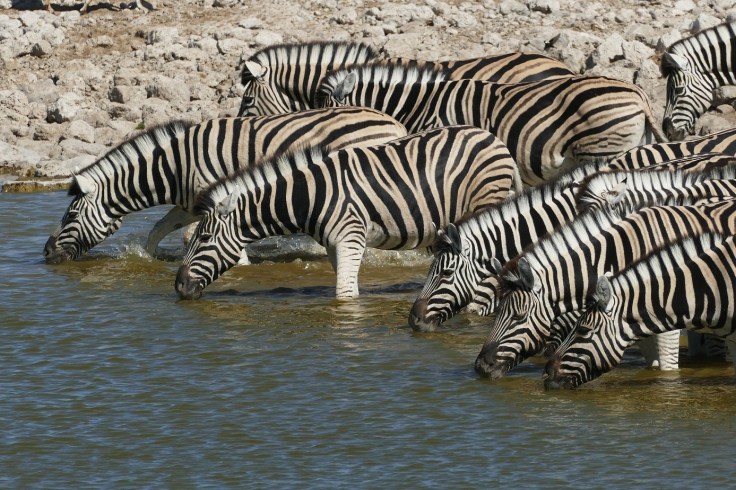
Zebras are bulk grazers and well adapted to short as well as to tall grass. Only if grass is scarce, they would also browse on leaves. They are water-dependent and consume about 12 litres per day to facilitate the digestion of our fibrous diet.
Reproduction & Lifecycle
Gestation: 360-390 days
No of young: 1
Weaning: 7-11 months
Sexual maturity: 4 years
Lifespan: 25 years
There is no strict breeding season, but mating is often aligned with the rainy season to make sure that enough food is available for everyone. Mating is exclusively reserved for stallions and during the rut season, males can often be seen fighting and chasing each other.
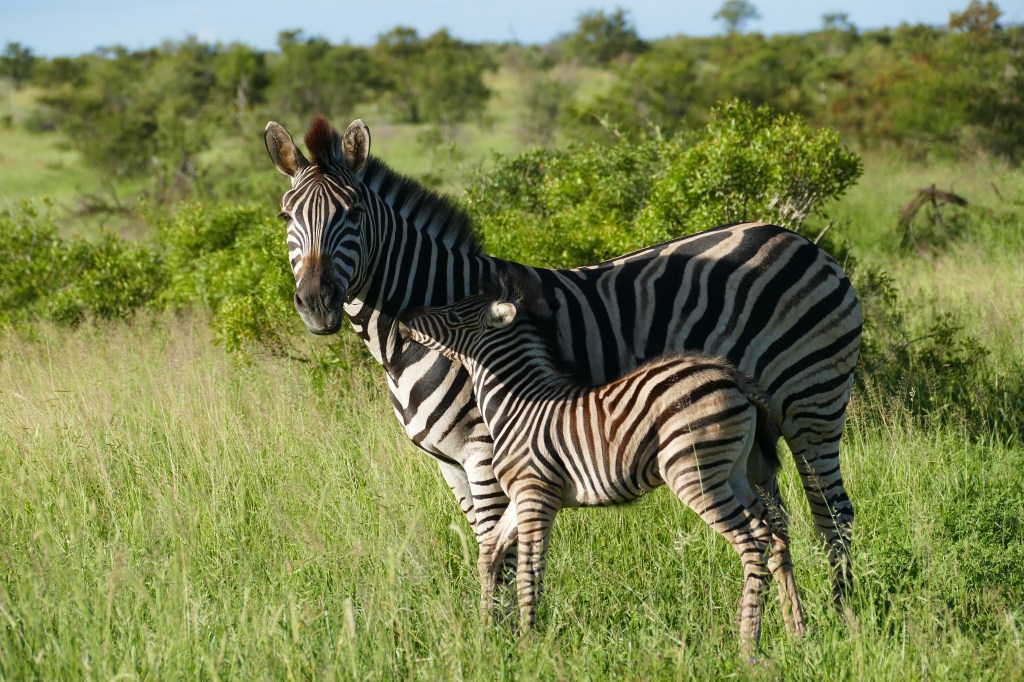
After a gestation period between 12 and 13 months, usually one foal is born and can fully follow the herd after an hour. A very important feature to avoid getting eaten by lions, leopards or other predators that only wait for an easy meal.
Did you know?
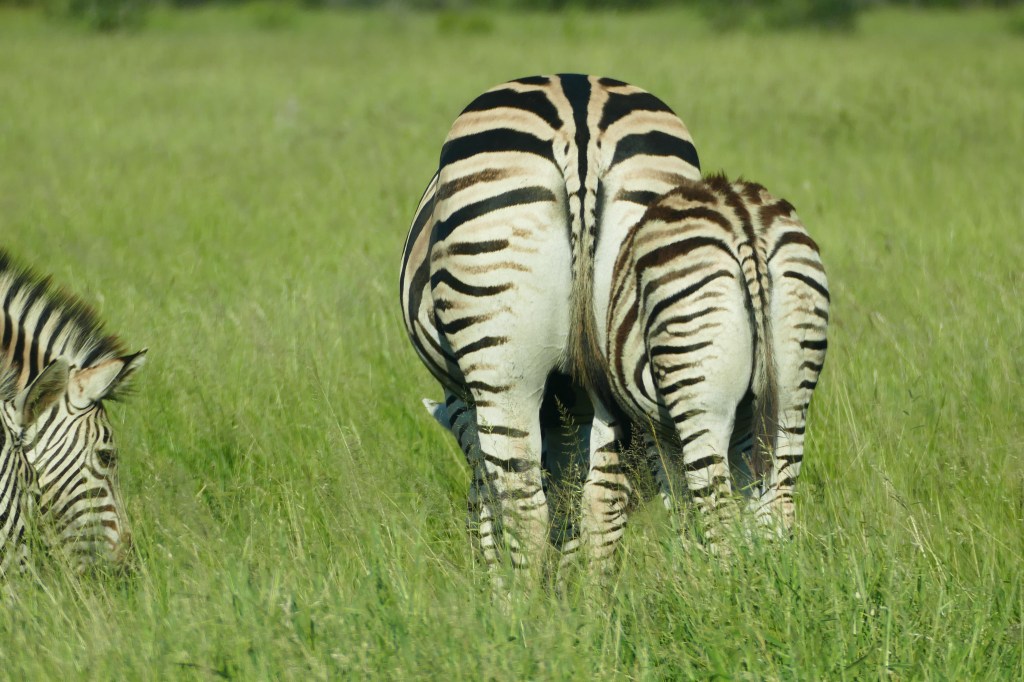
Every zebra has individual markings, no two zebras are exactly the same.
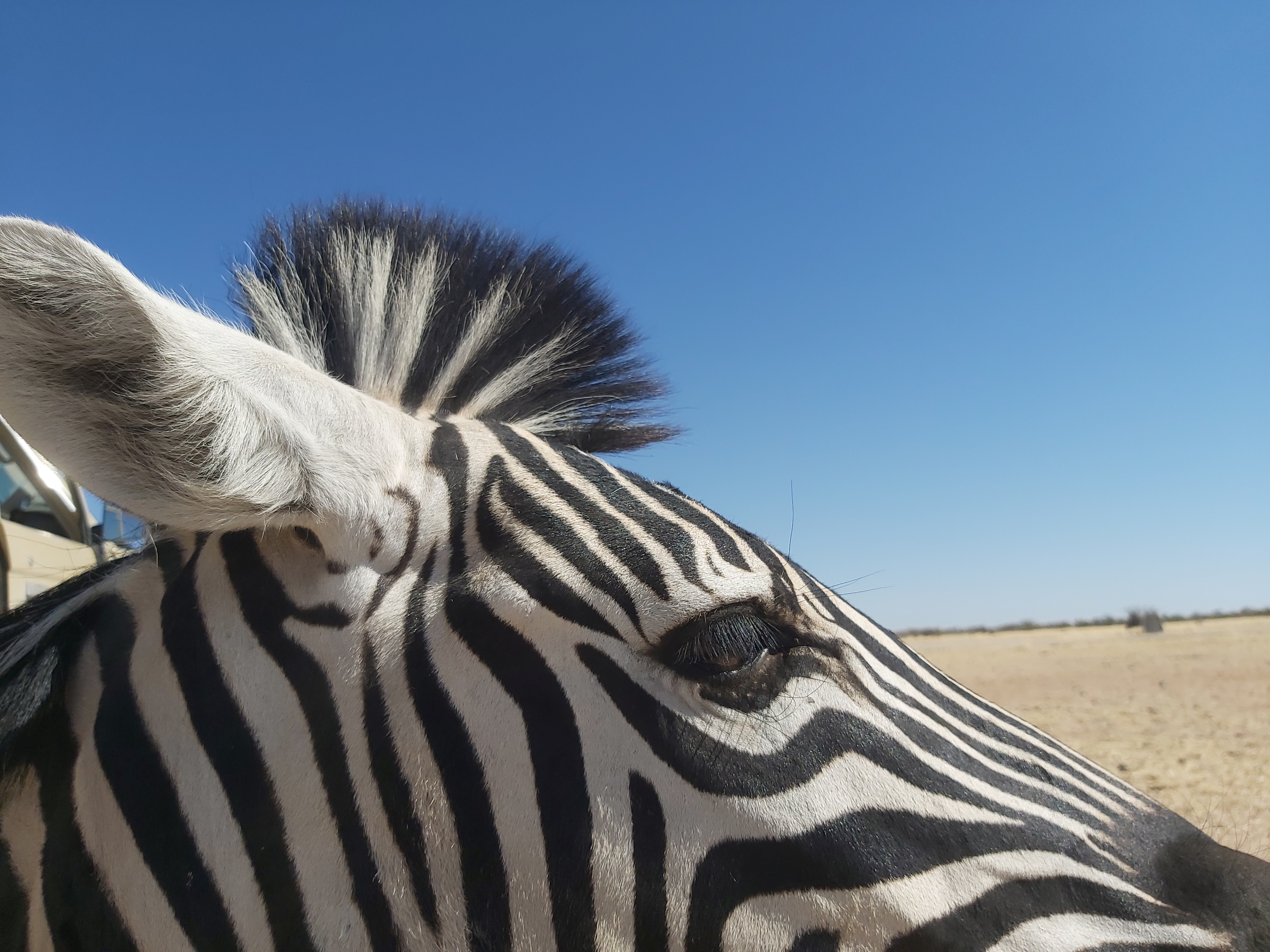
The mane on the neck is a health indicator of the zebra. If it stands erect, it is a sign for good condition whereas a flopped-over mane indicates stress conditions.
When foals are born, they stay close to their mother for the first time. This helps them to memorise the stripe pattern of their mother.
The function of the zebra´s stripes is not fully researched but it is assumed to have several functions. Mainly it will distract attcking predators when the zebras run away in all directions, but it may also dazzle flies in some way (so it is some kind of an insect repellant) help control body temperature. Cool stuff.
A zebra´s neck stripes continue into the mane.
Their call is quite funny:
Top speed: 64 km/h.
Folktales & Traditional Stories
The first zebra (A tale from the Angoni of Central Africa)
How the zebra got its stripes (Zulu story)

 Sininho´s World
You must be logged in to post a comment.