Lion
Panthera leo
Description, Habitat & Distribution
Lifestyle, Behaviour & Social life
Communication
Diet
Reproduction & Lifestyle
Did you know?
Folktales & Traditional Stories
Our biggest threat
Description
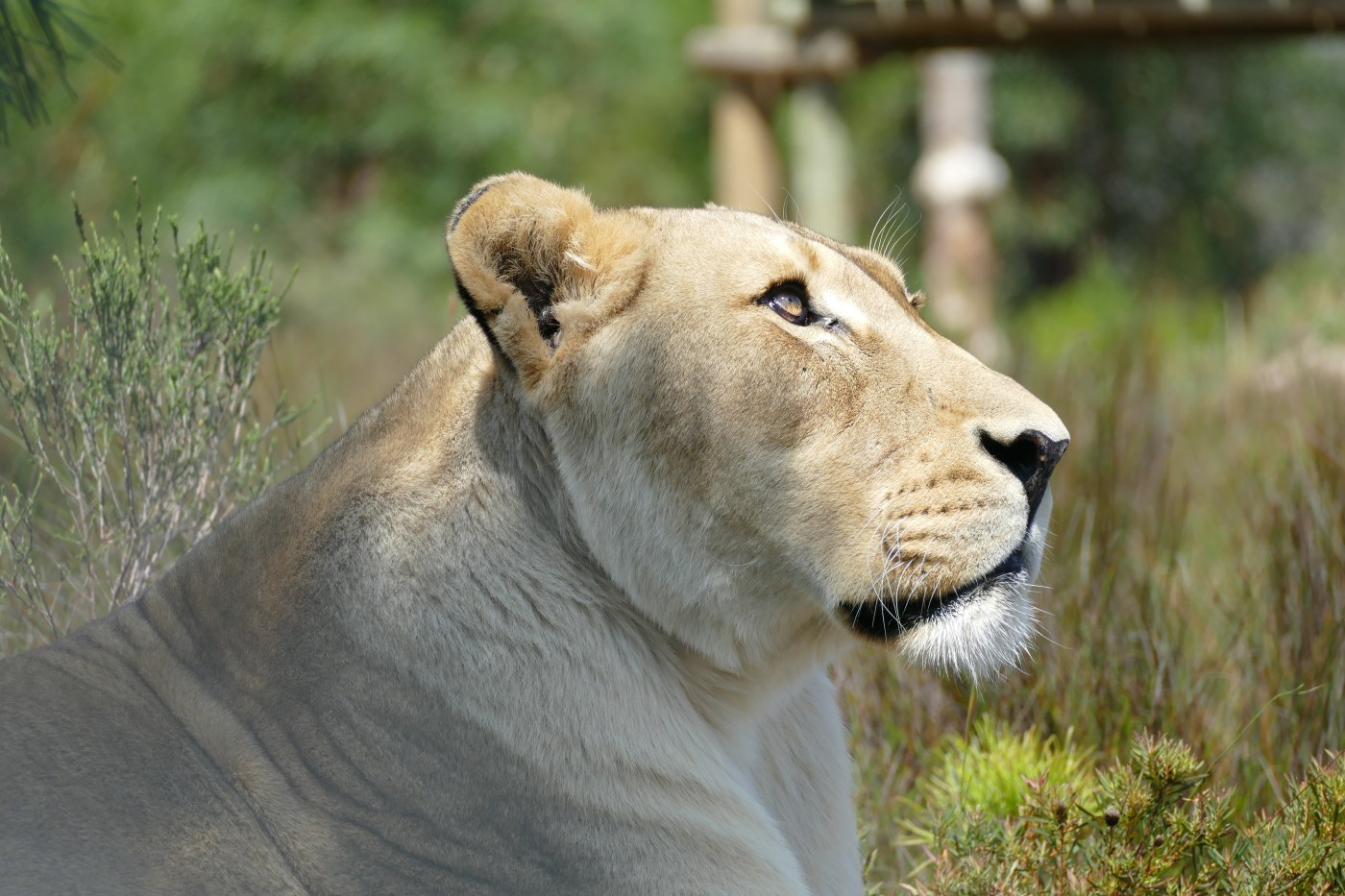
Lions are called „king of the dschungel“ but they actually prefer grasslands and the savanna of Africa. They are the biggest of all big cats on the African continent and only the Siberian tiger can compete wizh them (size-wise).
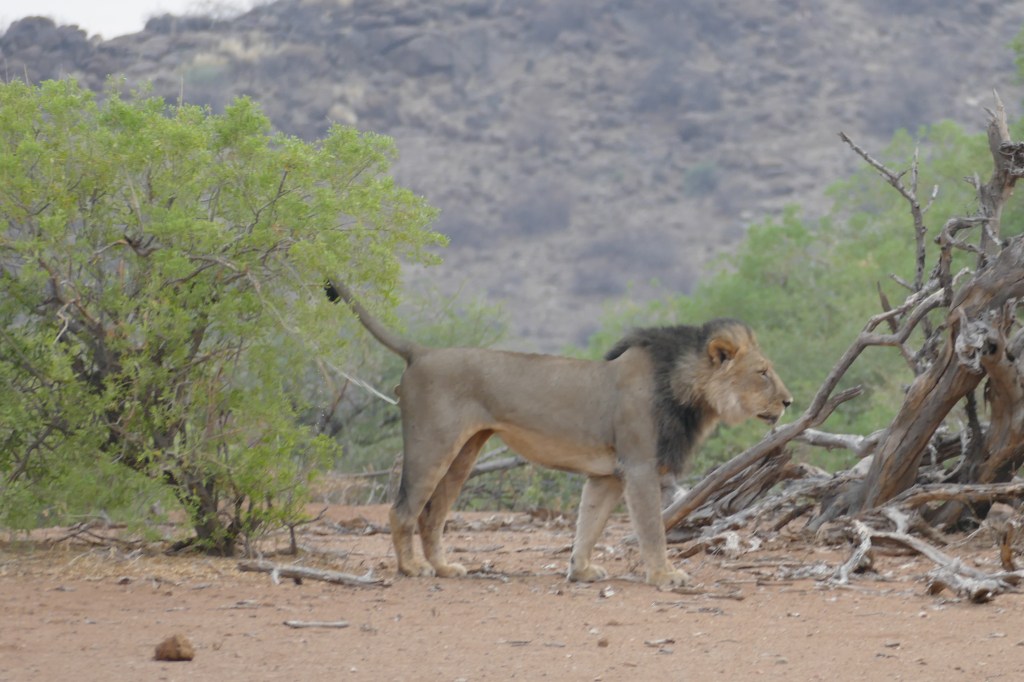
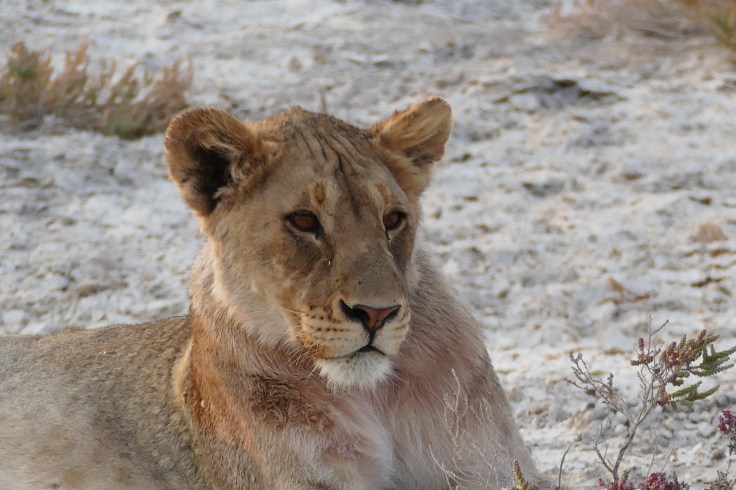
Lions are tawny in colour with white underparts. Rosettes and spots are characteristic of cubs and subadults but quite often the females retain these on their underparts or hind legs. A long black-tipped tail is used as follow-me sign and for other communication purposes.
Sexual dimorphism
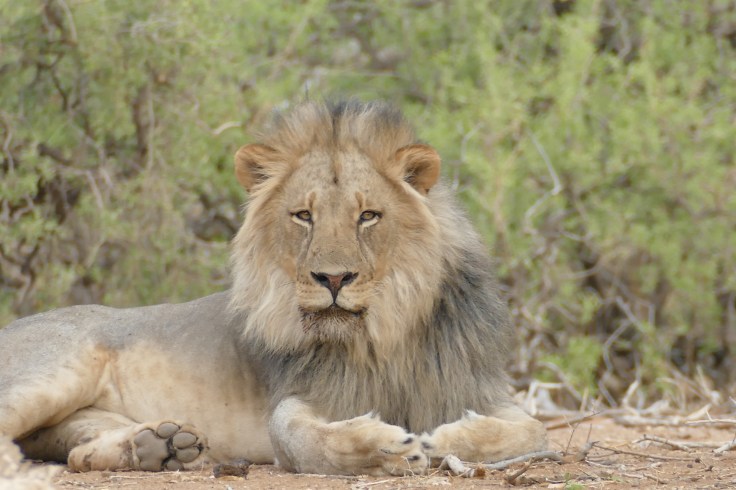
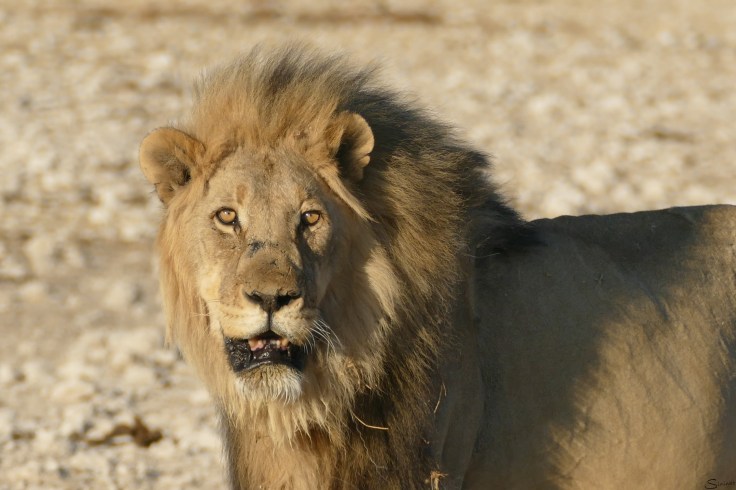
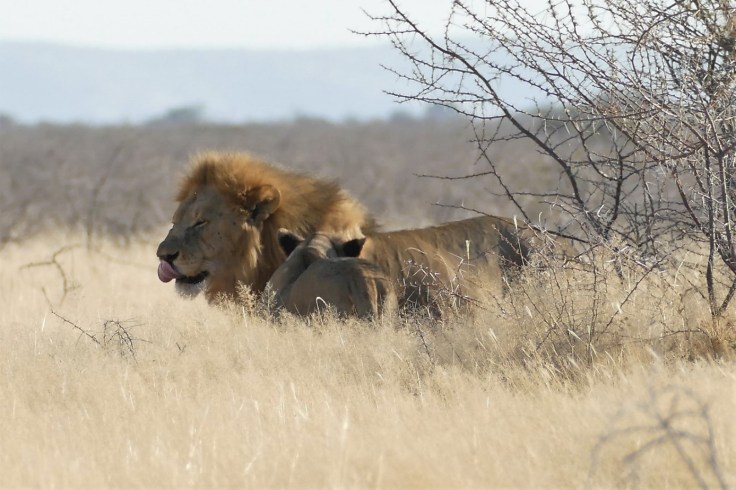
Male lions are larger and heavier and have a long mane that reaches from the forehead to neck and shoulders. The mane is a sign of dominance and visually enlarges the head, so they look even more impressive and strong. In addition, it protects the neck while fighting and it attracts females during the mating season. It is said that the darker the mane, the more testosterone a male has.
Habitat
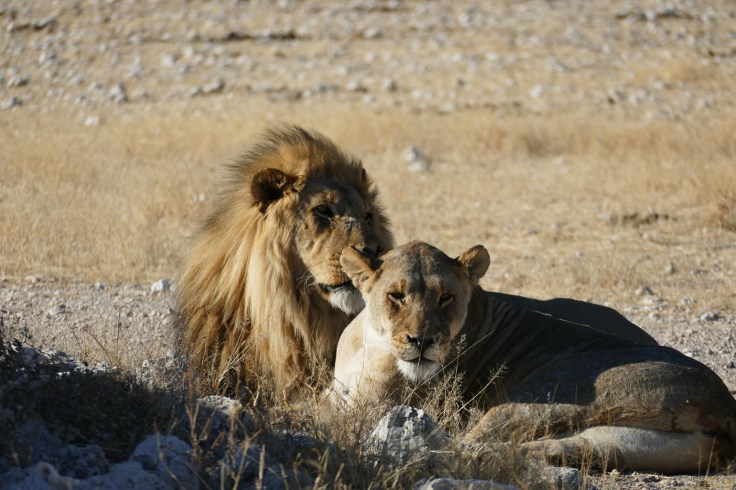
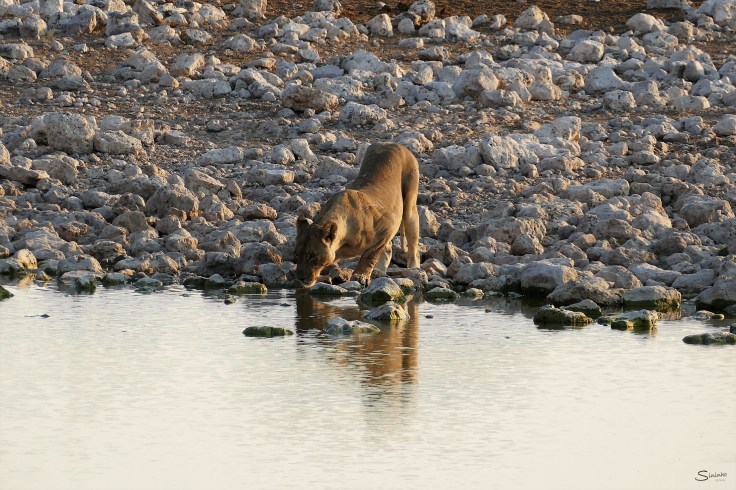
Grassland, savanna, open woodland and in dense scrub in Africa, south of the Sahara.
Distribution
East Senegal to Somala, East Africa, Angola, northern Namibia and from the Kalahari eastwards to Mozambique and northern KwaZulu-Natal (South Africa).
Lifestyle, Behaviour & Social Life
Gregarious | Territorial | Nocturnal
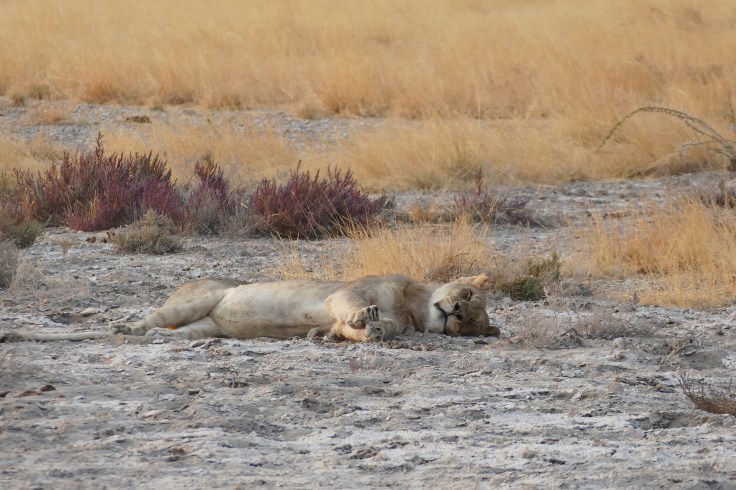
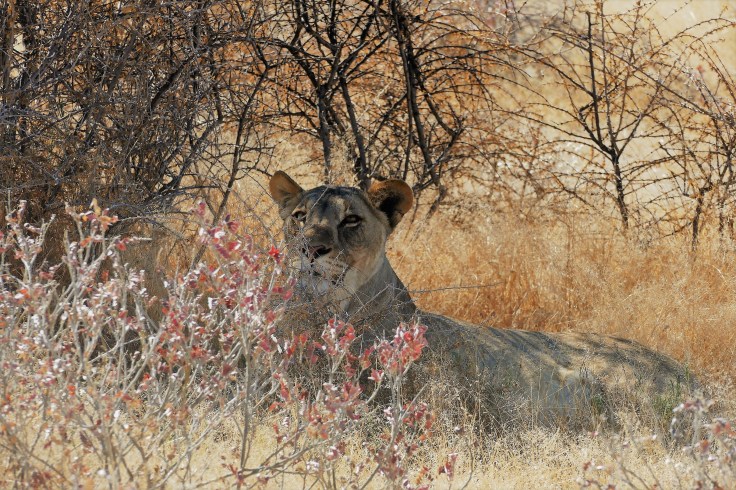
Some people call them lazy cause they appear inactive for a long time, resting in the shade of a tree or shrub, but they are simply energy-saving animals. Lions are supposed to be nocturnal and try to avoid the heat of the day for hunting, but they will not let go an opportunity for a meal even on daytime.
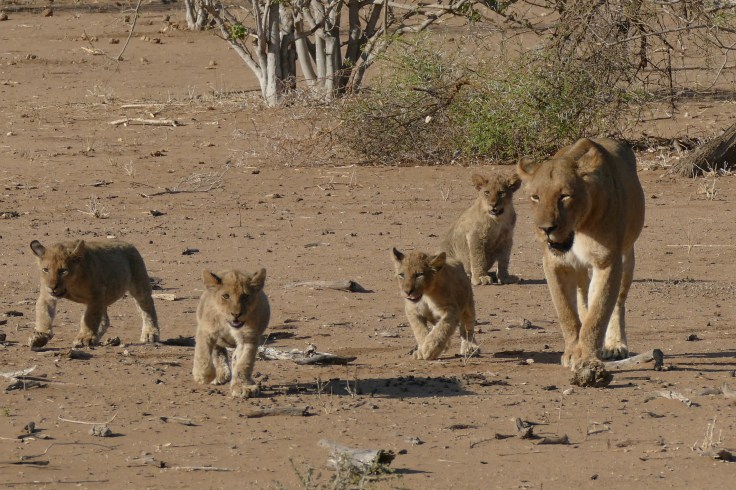
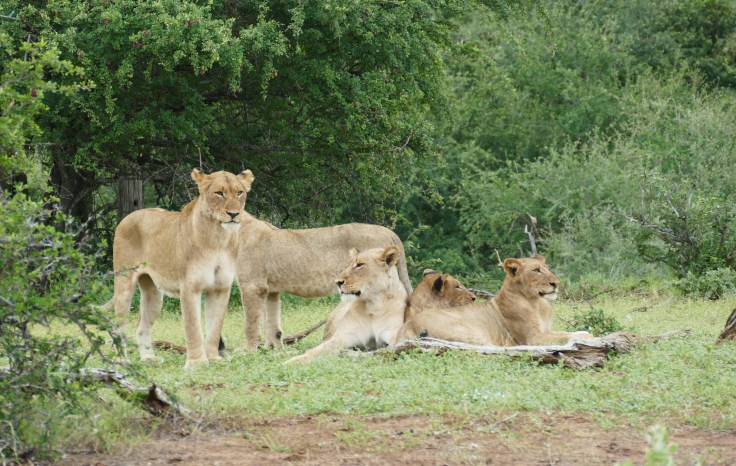
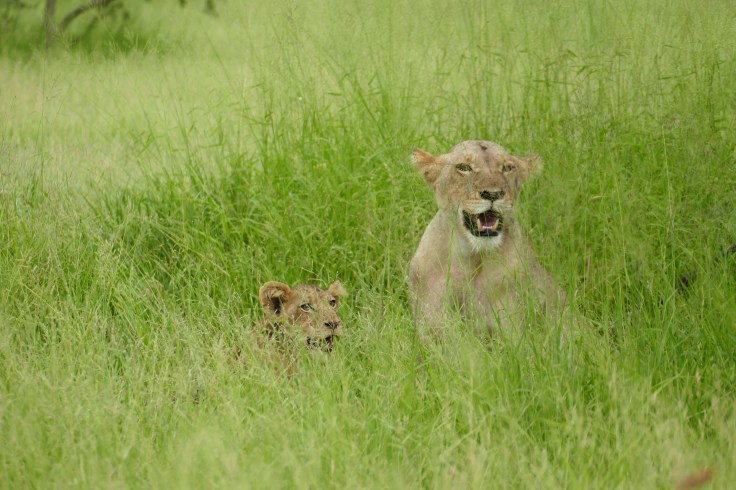
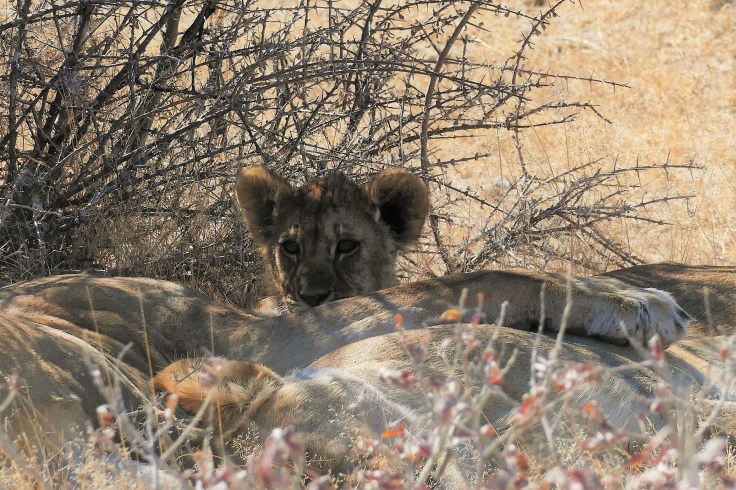
Lions are social and territorial animals and live in family groups called prides. These consist of roundabout 4 to 25 individuals, in average 3-6 related females and their young, and 1-6 dominant males, but the pride size varies depending on density and type of available prey.
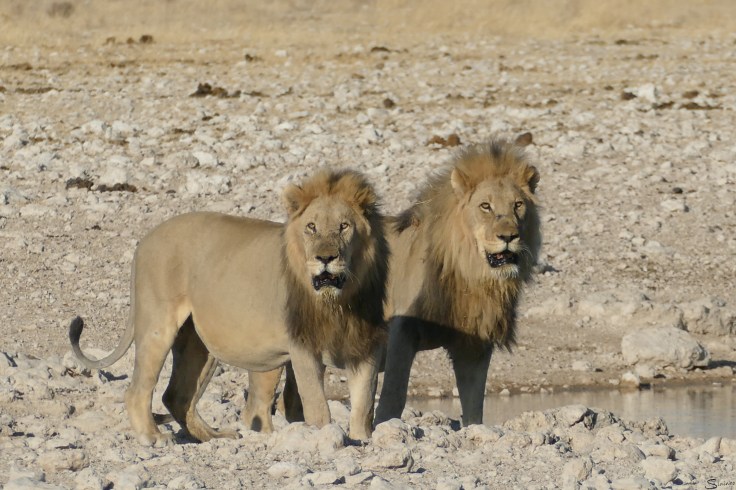
Female lions are called lionesses and within a pride, they are in general closely related and stay together for their whole life. Males leave their native pride when 2 to 3 years old. They then form coalitions of two to six individuals and collectively hold tenure over such prides. They may only spend a few years in a pride but remain with their coalition partners – usually our brothers – throughout our lives.
| When we males take over a pride, we most likely kill all the offspring that is still under a year. This is called infanticide. It sounds a bit cruel, but we have a reason to do it. Once the cub is gone, it will bring the female back into oestrus so we can mate with them and with this we ensure that only our own genome is further distributed. I mean, who wants to raise a foreign child? |
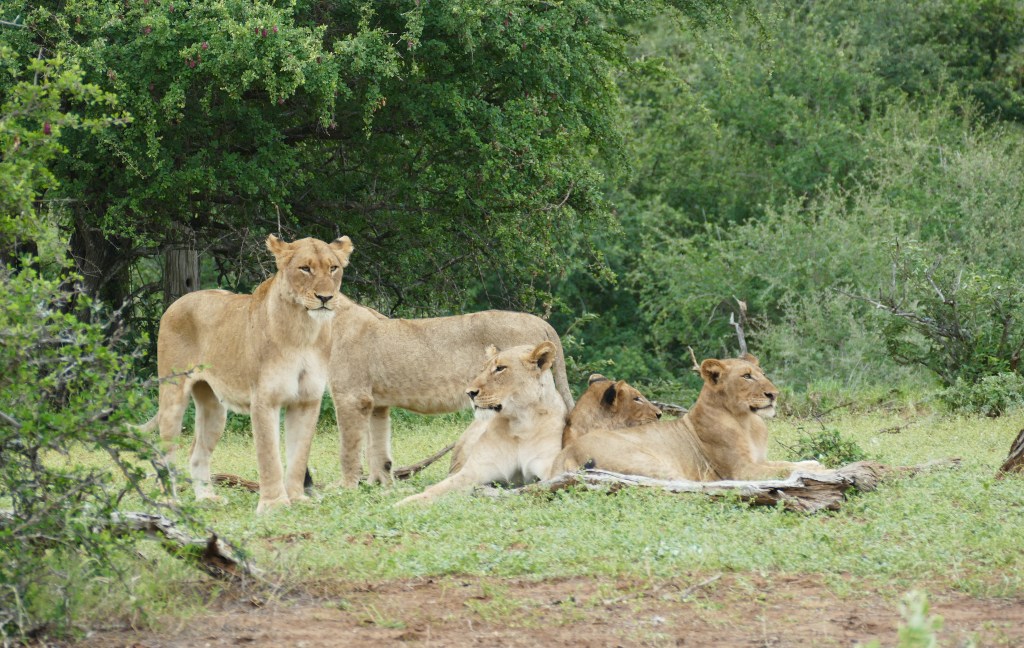
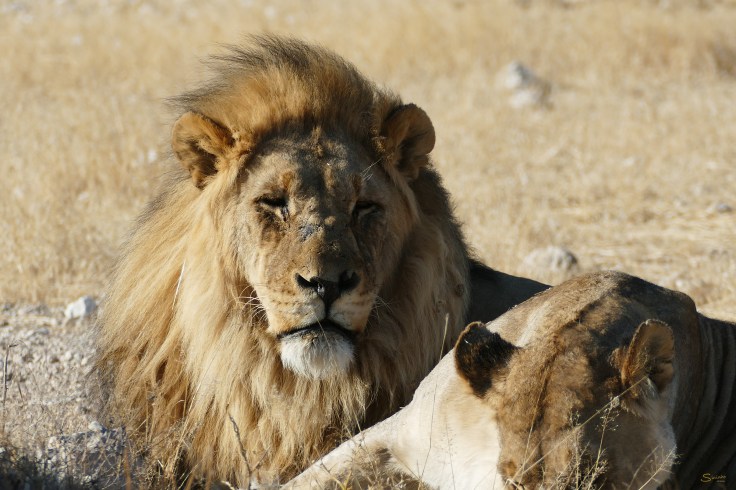
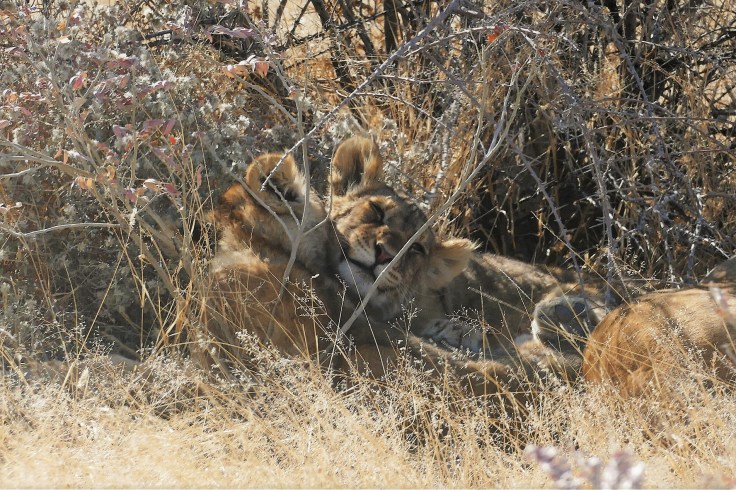
Lions are very cuddly and communicative with each other. Apart from vocal greetings, they are often seen rubbing our heads together or simply laying around, paws up in the air or on each other´s back. They are most affectionate to their like-sexed companions.
Roles in a pride are distributed: the lionesses are responsible for the food supply and work together as a group to hunt. And so they do when it comes to care for our cubs: it is not uncommon that lionesses synchronize birth cycles to make cub care easier. Males on the other hand are not so much involved in the child-raising part, although they sometimes play with them and educate them. Same applies to hunting. They rather wait until food is served, but when it comes to bigger prey such as buffalo or giraffe – they of course offer a helping paw. The males´ responsibility is more on the protective side, to make sure the pride is safe. This includes establishing, maintaining, and patroling the territory. Once a piece of appropriate land is found, it is marked and advertised by roaring, scraping the ground with the hind feet, scratching trees (to spread scent with the toe glands), urine-spraying and rubbing the face against bushes. In this manner their scent is spread and they make clear whose territory this is!
Communication
Lion communication consists of vocal sounds, by scent-marking, facial expressions and body postures. Aggression for example is shown by displaying their impressive canine teeth, retract the ears and a display of the dark patch behind the ears while the tail twitches in irritation. The tail is indeed a very good indicator for their mood, just like in your housecats 😊
When it comes to vocal communication, lions have a whole repertoire of different calls: meows, roars, grunts, moans, growls, snarls, hums, puffs and woofs. Each sound has a different meaning. The most famous and impressive of these calls is of course the roar. Roaring is done by males and females to advertise the territory but also to communicate with pride mates.
It is one of the loudest calls in the animal kingdom. It is one of the loudest calls in the animal kingdom and can be heard from up to 8 km away in good environmental conditions. Can you imagine?
Roaring usually takes place in the mornings and evenings when the air transports the sound better, so more of their neighbours can hear them when they say “Whooooos land is this? Its mine … mine … mine!!”
If you sometimes hear an ongoing, repeated roaring during the night, this can indicate a territorial dispute between males when one pride successfully took over another one.
Reproduction & Lifecycle
Gestation: 110 days
No of young: 1-4
Weaning: 6-10 months
Sexual maturity: 2 years
Lifespan: 10-14 years
Lions are non-seasonal breeders, yet do the females of a pride often synchronize their births to make the raising easier and more successful. After a gestation period of 110 days, one to four (average 3) cubs are born and hidden away from the rest of the pride for around six weeks before they are introduced to the rest of the family. Females suckle their own and one another’s cubs (called allosuckling) for up to six months and after about ten weeks the young ones also start taking meat. Offspring remains dependant on the organizational success of our pride for up to three years.
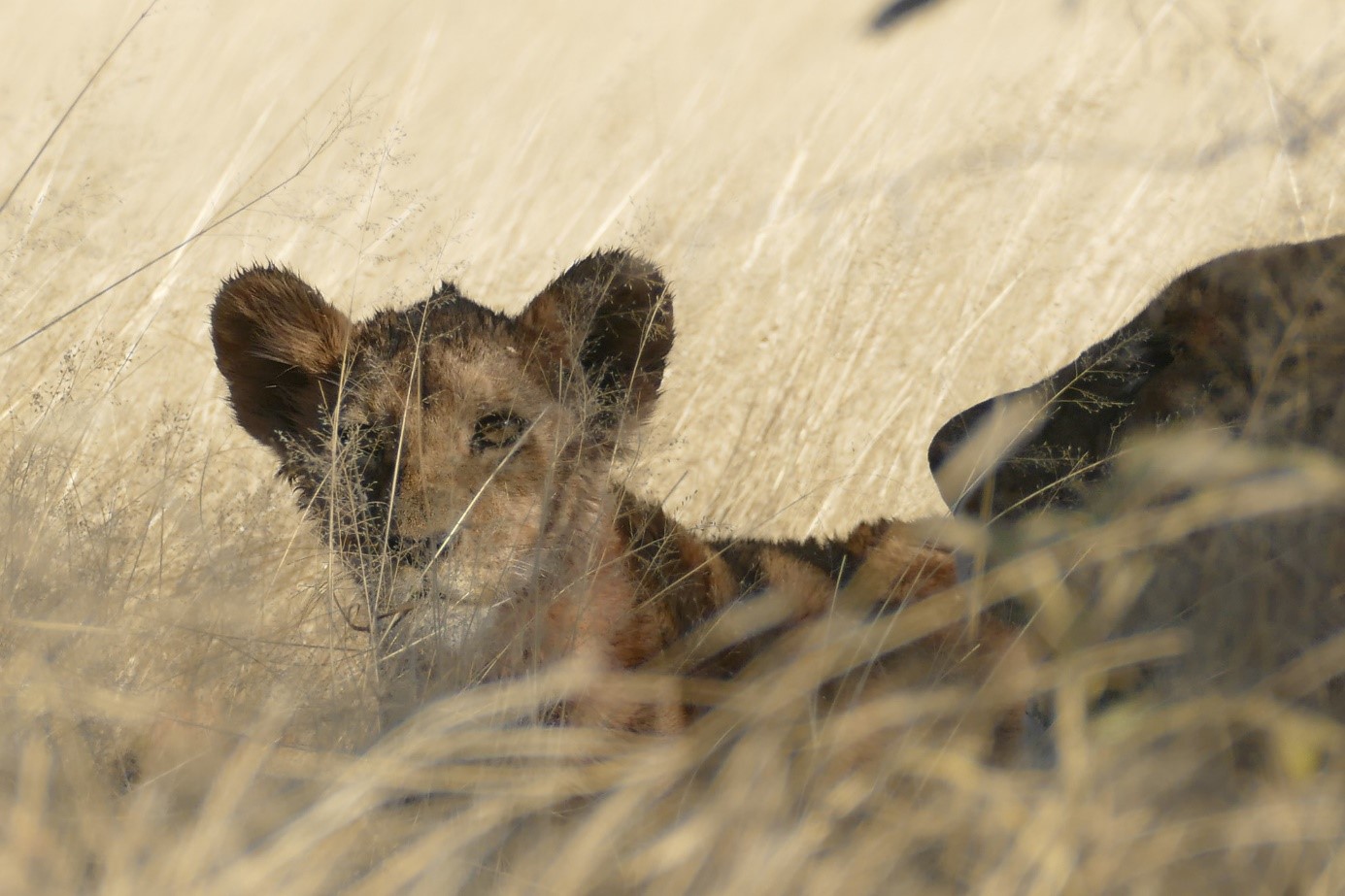
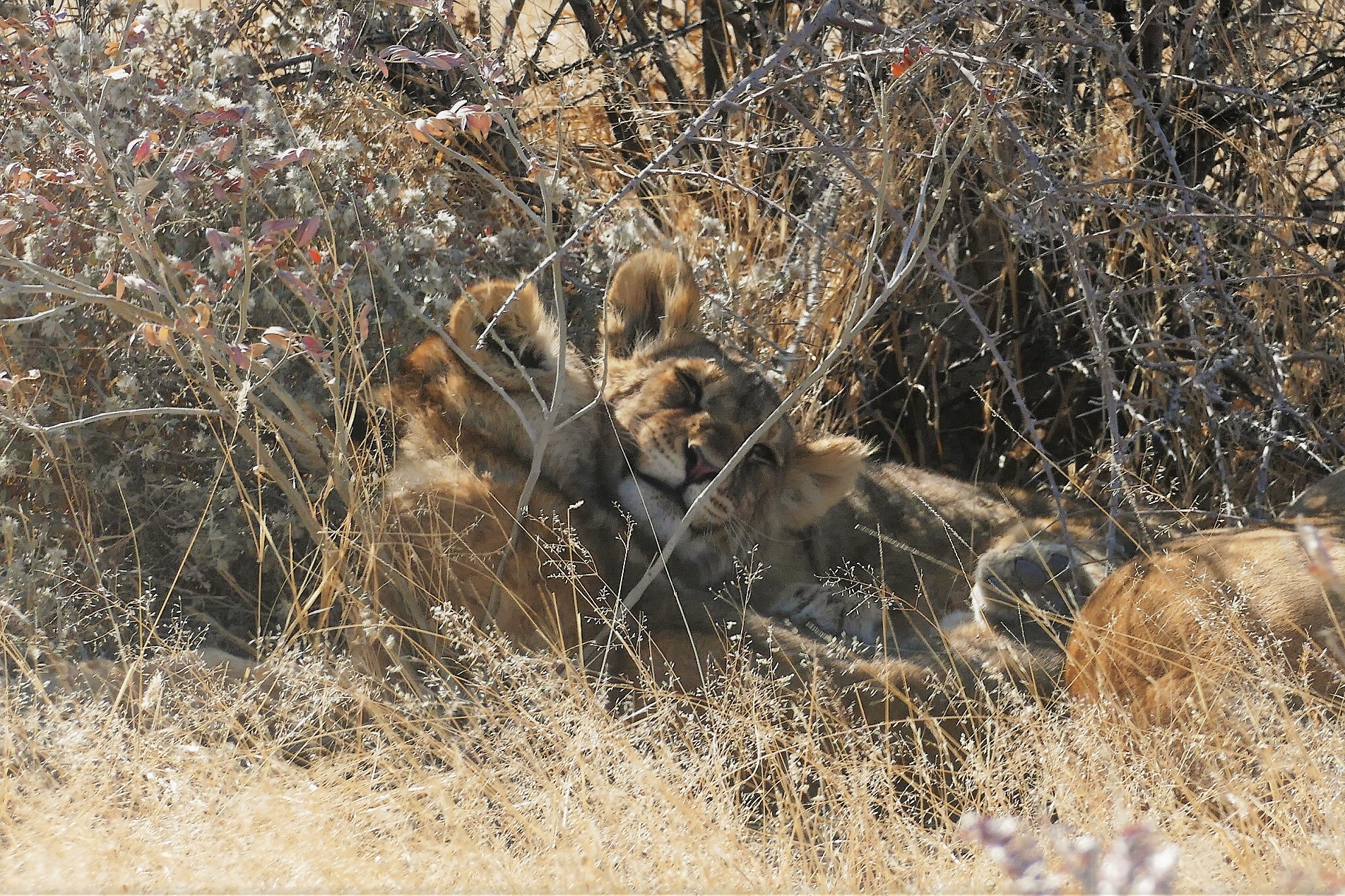
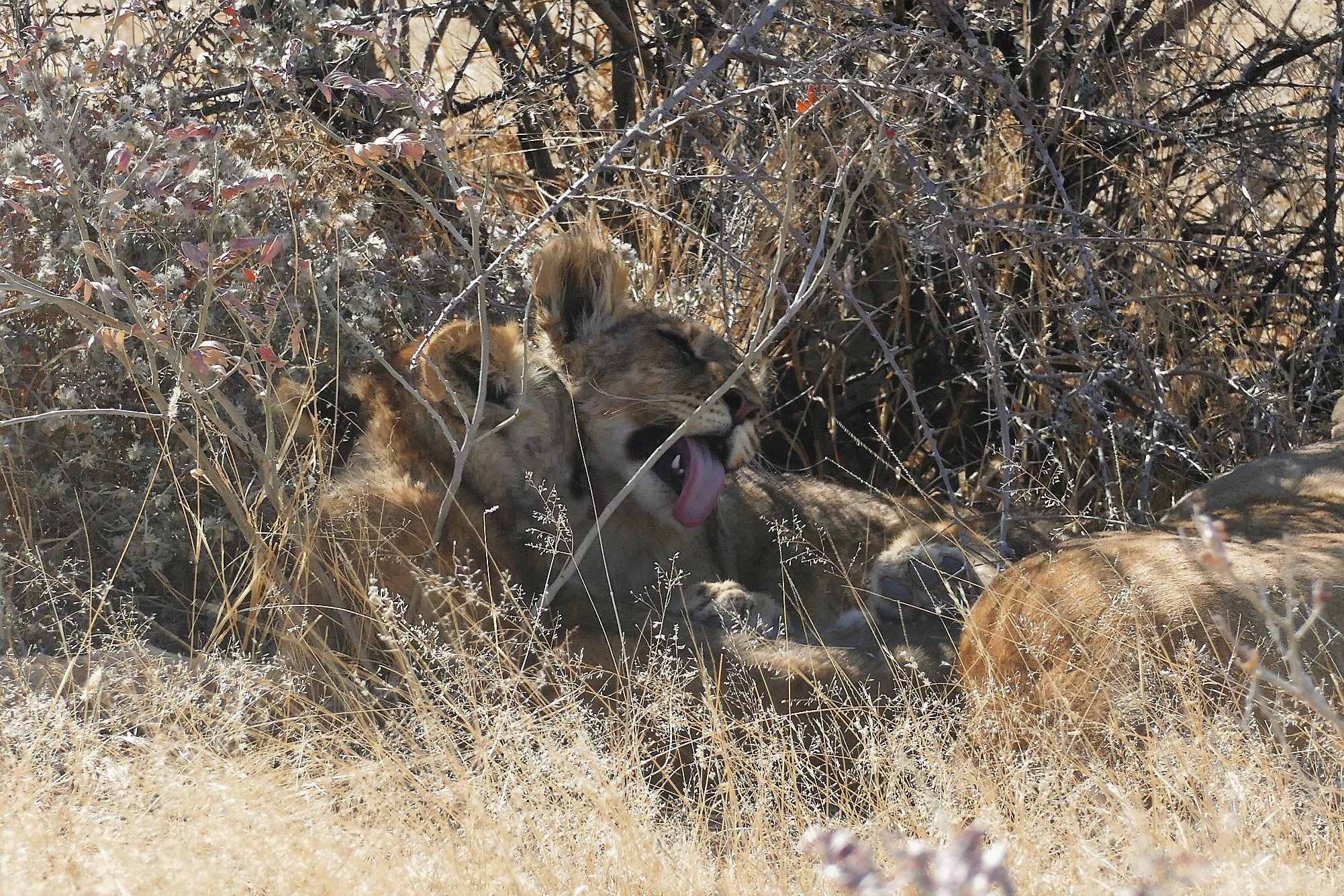
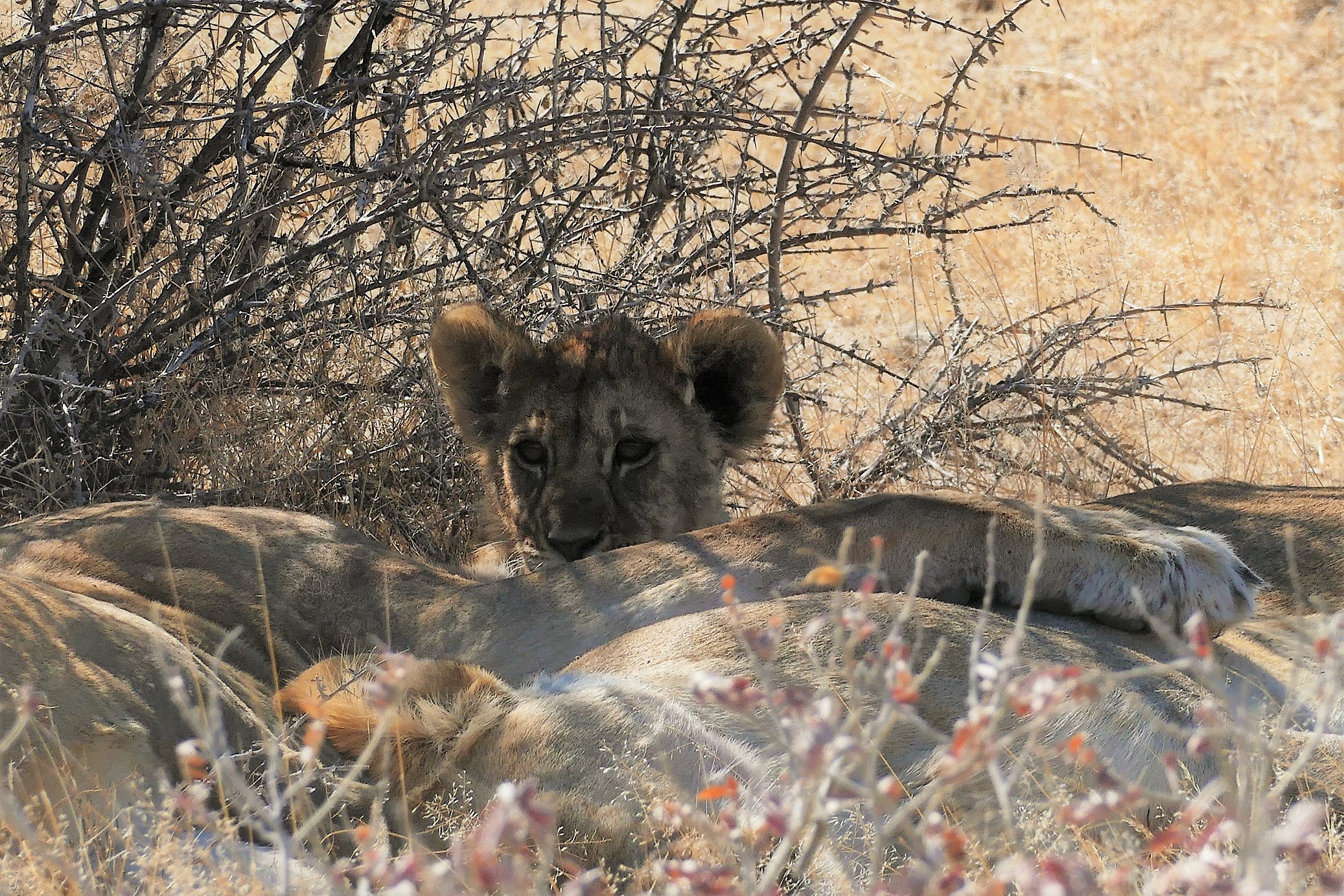
Within the second to third year, males grow not only their wonderful manes but also their muscles and this will become the time when they start challenging their father who will therefore force them to leave the pride. Leaving the safety of the familiy unit is a tough time and as they now have to hunt food by themselves, find and defend a territory and some females to form their own pride. Luckily, lions are usually not alone with this task but form strong coalitions with their male siblings. Male brothers and half-brothers often form life-long bonds which gives them the advantage of strength and power when taking over territories and prides.
Documentary recommendations:
Diet
Carnivorous
Favoured prey are large herbivores such as zebra, wildebeest, kudu, gemsbok, even buffalo and giraffe, but they do not refuse smaller prey like impala, steenbok, warthog, birds, reptiles, insects, fish and even porcupine (although quite tricky to catch with all those sticky and painful quills) when the opportunity arises.
Hunting is mainly left to the lionesses of the pride but when it comes to larger and more dangerous prey such as buffalo or giraffe, males will join. When it comes to eating, the situation is different. The hierarchy is strict: males eats first, afterwards the females and last the cubs.
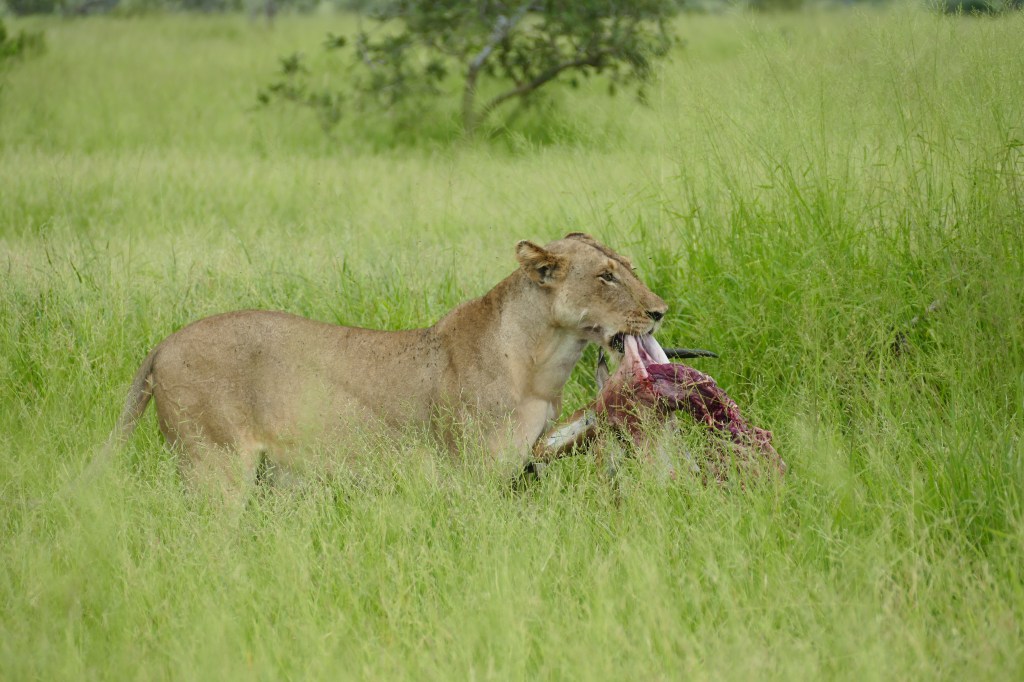

After the meals it is cleaning and resting time, preferably in a shady spot, but that does not mean that the prey can be left unattended. If lions want to keep their meal, they must stay vigilant as some of their predator-colleagues will happily steal their meal. As they live in a group, not a lot of other animals will dare to attack them, but the sneaky jackal is always up for a snack and spotted hyenas will not hesitate to fight for it.
Otherwise than that, lions do not have too many enemies with the biggest one being us humans, but I come later to that.
Our biggest threat
Author: Lion (wants to be anonymous)
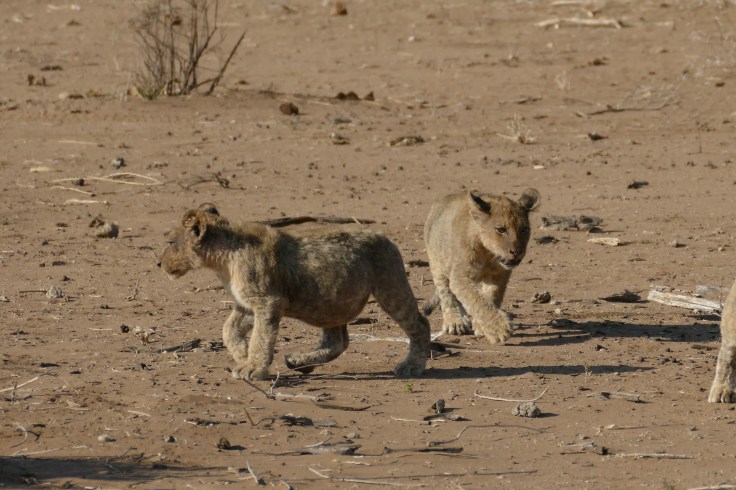
Unfortunately, our population was extensively reduced over the last years. When we were more than 200.000 wild lions in Africa just over a century ago, we today count only about 20.000. In over 25 African countries we have already gone extinct.
What happened?
You humans often use us lions in pictures and statues and company logos as a sign of strength, power and pride. But when it comes to money, our lives are worth nothing. Some of us spend a boring and unnatural life in zoos, some of us have to perform in circusses, and a high number of my brothers and sisters suffer in a vicious circle of breeding, cub petting, trophy hunting and bone trade. The latter ironically happens directly in southern Africa, our homeland, where our image is used to attrackt tourists and hunters from allover the world. It is terrible but what worries me most is that people don’t know, don’t understand, or simply don’t care!
Around 300 breeding farms exist alone in South Africa. In those facilities we are kept in small enclosures, our females are forced to breed and when they give birth, their babies are taken away from them when only days or even hours old. A lot of volunteers come to those facilities that themselves call “sanctuaries”. They help raising the little ones cause the “mother cannot do it or did not want the baby”. What a lie. The puppies are taken away and hand-raised, so the females go back into oestrus to “produce” more babies for this sick industry, whereas our cute cubs are presented to the public and paying guests can take pictures with them. How exhausting must that be for our babies to not have enough sleep and to be exposed the whole day to loud tourists and children, to be handed over from one hand to the next one, just for a holiday picture with a lion cub? Once we grow and become less cute but instead heavier and more dangerous, it is too much of a risk to let us out with the guests for pictures. This is the time when you can come and “walk with a lion”. So you are taken out with us and some rangers. How exciting must that be!! You, the bush, and some lions joining on a walk. It must be so much fun for you. For us it is also not too bad, at least we get some exercise before we get to the next step of our life which has three options: Canned hunting, back to breeding or shot for the bone trade.
I am not sure what the future brings for my species but I hope that one day humans will understand that we are not here on Earth to entertain you nor to harm you. We play our role in the ecosystem, as all predators, and with us going to extinction in the wild, this will impact your life as well. Let us live. Let us roam freely!
References
National geographic: Lion farms in South Africa
Four Paws: Canned lion hunting
Did you know?
We lions are the largest African carnivores.
An adult male’s roar can be heard up to 8 km.
We are born with tawny black spots which usually disappear when we grow older.
Our babies we call cub, whelp or lionet.
Our age can be estimated not only by our size or, in males, by the mane, but also by the nose. With 1-2 years, the nose is mostly pink, 3-4 years it is slightly black, 5-6 years is mostly black and from 7 on, it is fully black.
Our top speed is around 80 km/h.
Folktales & Traditional stories
Why the lion roars
The story of the lion and the little jackal
When lion could fly

References
 Sininho´s World
You must be logged in to post a comment.