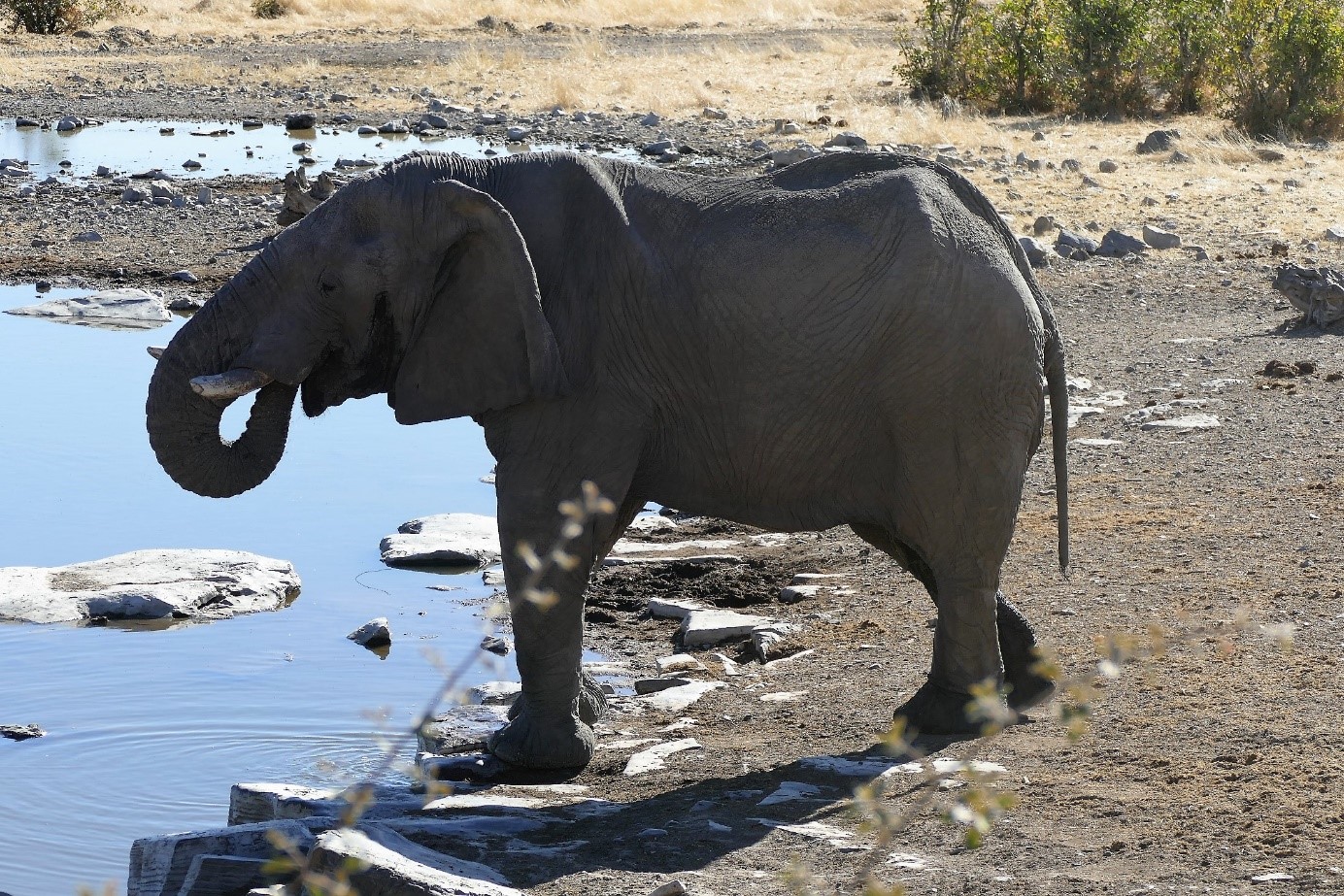
The Elephant used to only have a small snout in The Beginning. This didn’t bother him unduly, in fact he was rather proud of his small nose because it never got in the way of feeding and drinking. Because of his great size, mealtimes were very important to Elephant, and he had to eat and drink a great deal in order to keep his great strength up. However, he did find it uncomfortable, because he had to go down on bended knees to reach anything.
One day, Elephant was at the river, and was kneeling down drinking from the fresh water. Crocodile swam past, and saw Elephant at the water’s edge. Crocodile was feeling particularly hungry, and saw an opportunity for a good meal. Crocodile swam stealthily up to where Elephant was, and suddenly lunged out of the water and grabbed Elephant by the nose.
Elephant was startled, and tried to pull away, but Crocodile had a firm grip on his nose. Crocodile used all his weight and strength to try to pull Elephant into the water. However, Elephant was also very strong, and he dug his feet into the bank and fought back.
The 2 battled for hours, and with every pull and tug, Elephant’s nose stretched a little more. Eventually, Crocodile became too tired to pull any more, and let go of Elephant.
Elephant ran off, with his now very long nose hanging down in front of his feet. He was distraught, and hid in the bush as he was too embarrassed to face the other animals.
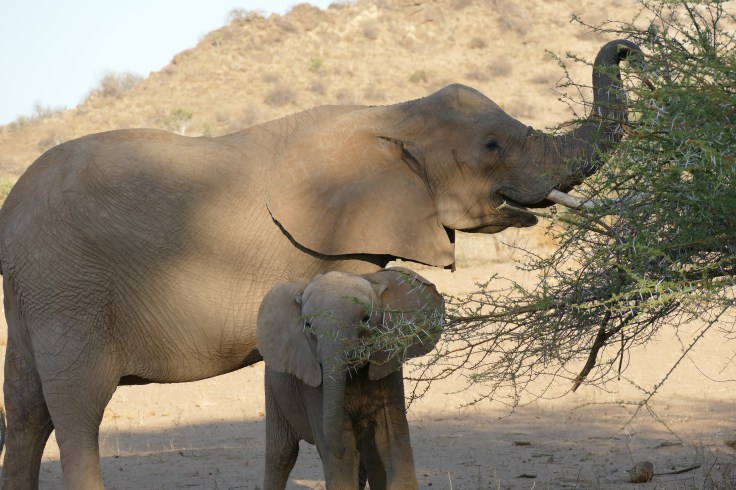
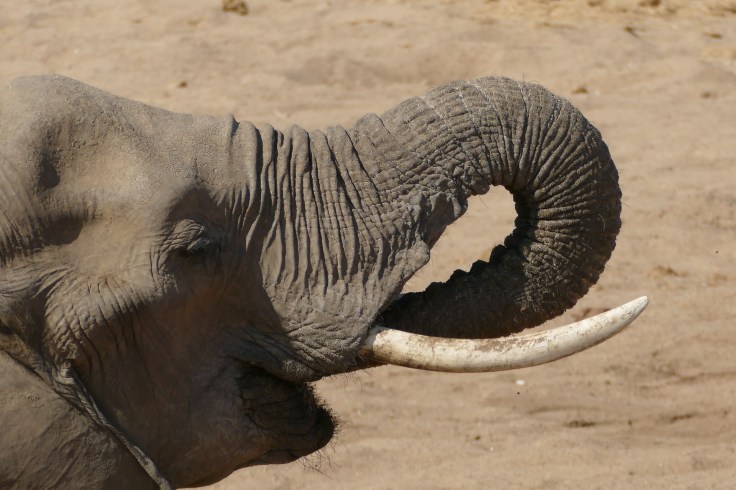
Soon, however, Elephant realised that his new stretched nose was more useful than his previously small snout. He was able to reach food and drink without kneeling any more, and could even reach high branches and pull them down to eat the fruit and leaves.
All the other Elephants soon realised the benefits of having a long trunk, and one by one they too visited the river and taunted the Crocodile to try and pull them into the water. The Elephants always won the tug-of-wars, and all ended up with lovely stretched snouts, but Crocodile remained hungry. To this day, all Elephants still have their long trunks rather than a small snout, and Crocodiles have learnt that it is a waste of time and energy attacking Elephants when drinking at the water’s edge.
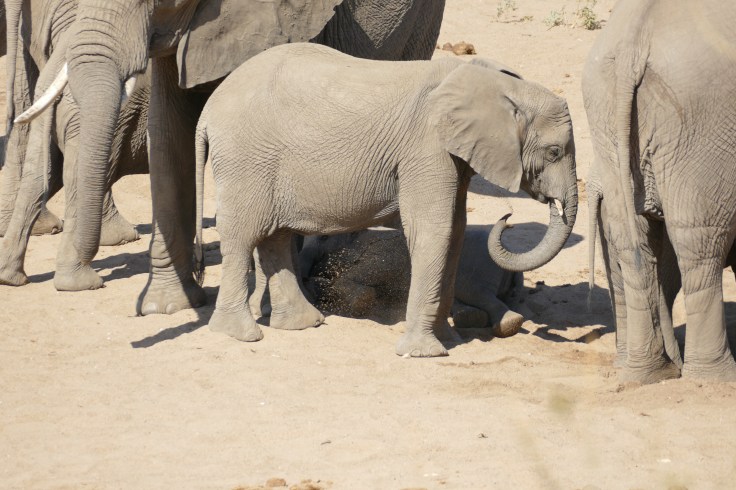
Amongst Africans, the elephant is known by a name which means the same thing no matter which language one happens to speak; the Zulus call this great beast Ndlovu, while the Tsonga and Shangane people call it Njovu, the Venda know it as Ndou, and all these ancient words mean the same thing: The Forceful One.
Our people used to believe that elephants were not merely animals, but were rather supernatural beings or gods, and that ivory, as well as the bones of the elephant, were the purest substance known. Out of ivory our people used to carve their holiest images: busts of gods and goddesses as well as those of god-kings and queens, and it is still believed even now that ornaments made of ivory possess great magical powers and they enable the possessor of them to enjoy heavenly protection at all times. Kings and chieftains used to wear such ornaments especially in times of war so as to be protected against assassins and poisoners.
There were those amongst our people who believed that an elephant was a reincarnation of a dead god, who had been killed by other gods in heaven, and in the years before the Second World War there roamed, in a part of western Tanganyika, a large elephant that the tribes people knew by the strange name of ‘Ishe’ which is the African corruption of the Islamic name for Jesus, which is Issa. One day, a gang of poachers was seen trailing this great beast and a force of warriors went for the poachers and attacked them, to protect the beast they believed was sacred, and in the ensuing skirmish all the poachers and four of the warriors were killed…Ishe lived to die of old age.
So deep is the reverence in which the elephant is held in some parts of Africa that, for example, if a member of the Masai people of Kenya finds a placenta of an elephant in the bush, he immediately erects a wooden enclosure with four entrances around it to protect it. An elephant’s placenta is held to be an extremely sacred object, which brings great good luck to the finder. It is said that when the end of the world comes, the last elephant in Africa will engage the last rhinoceros in mortal combat and both animals would die, pleading with God to use their blood to create new animals once more. Out of their blood God would create new animals, and out of their skulls and jaws and leg bones, a new and much more beautiful world.
Source: https://www.travelbutlers.com/safari/wildlife-guide/folklore-trunk.asp
 Sininho´s World
You must be logged in to post a comment.