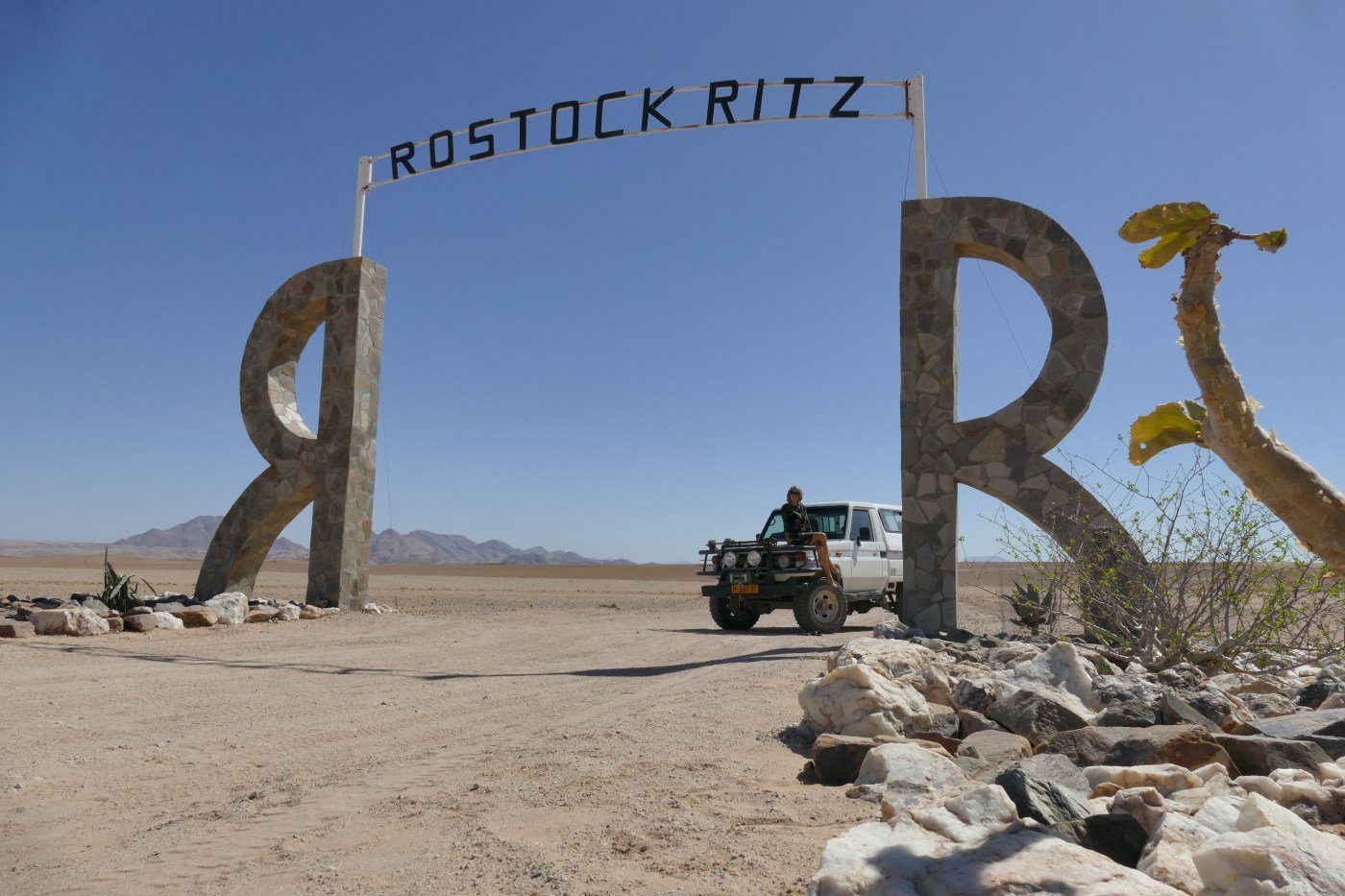
After an amazing breakfast with bread, cheese, and a tasty omelette, I say good-bye to the “Rostock Ritz” that I pretty much enjoyed. I must confess that as much as I love camping, it was great to have a proper bed and some luxury for a night 😊
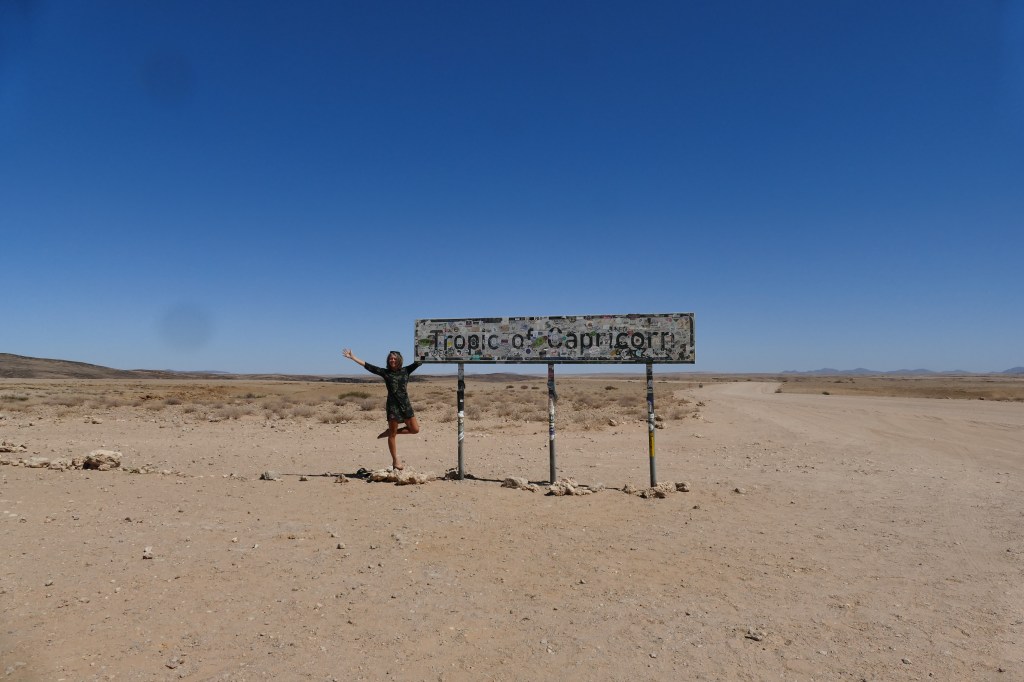
Tropic of Capricorn
Not sure what is so special about it, but everybody takes a picture, so I go touristy today and voilá, here we go:
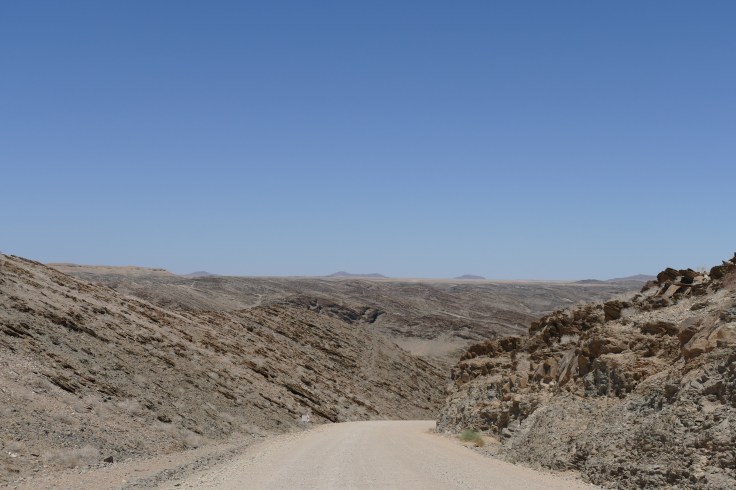
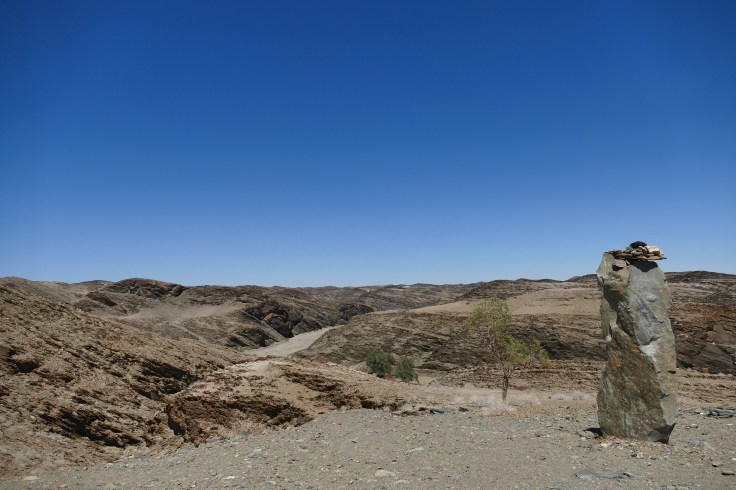
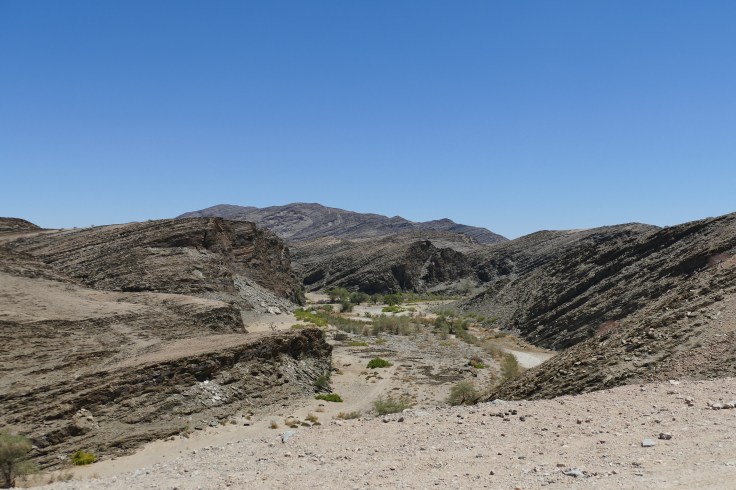
Kuiseb Canyon
On the Gamsberg Pass route west of the Khomas Hochland, Kuiseb Canyon contains the ephemeral Kuiseb River, which is no more than a broad sandy riverbed for most of the year. Although it may flow for two or three weeks during the rainy season, it only gets as far as Gobabeb before seeping into the sand. At Rooibank, drinking water for Walvis Bay is pumped from this subterranean supply.
It was in Kuiseb Canyon that the famous geologists Henno Martin and Hermann Korn went into hiding for more than two years during WWII, as recounted in Martin’s book The Sheltering Desert. Today, the canyon’s upper reaches remain uninhabited, though there are scattered Topnaar Khoikhoi villages where the valley broadens out near the north river bank. (Source: Lonely Planet)
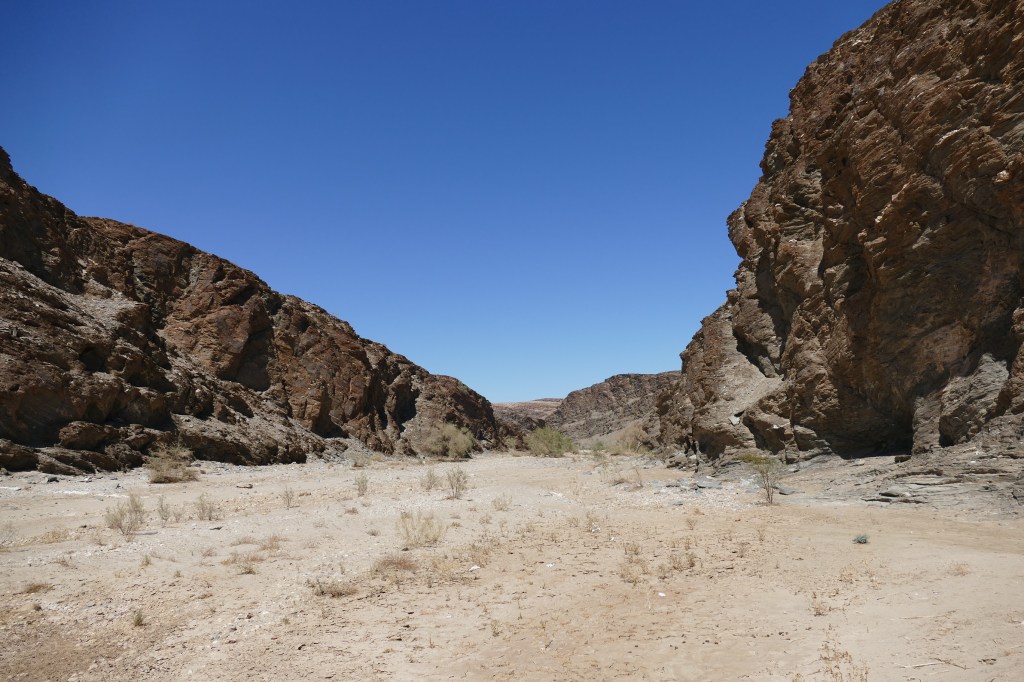
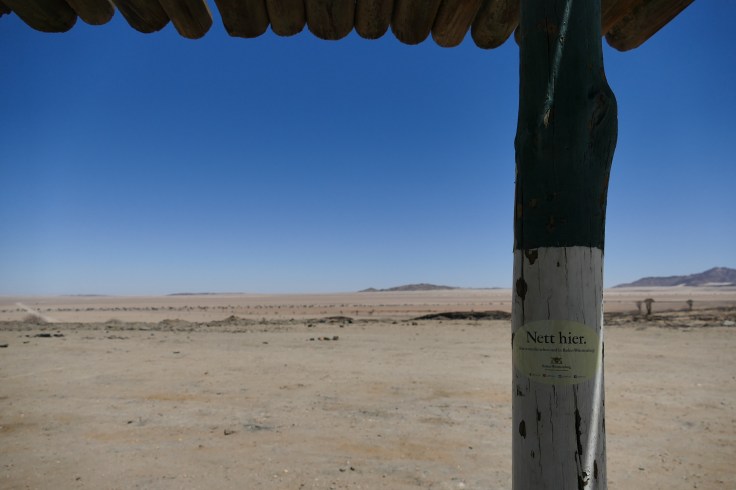
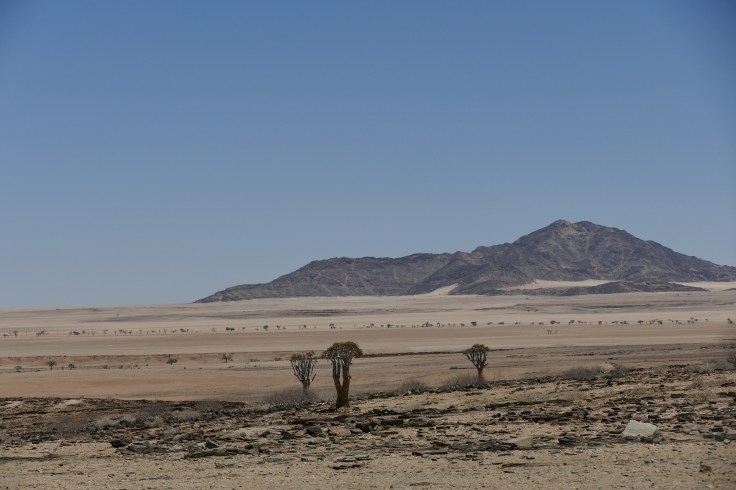
The road is relatively good and, as usual, provides amazing views.
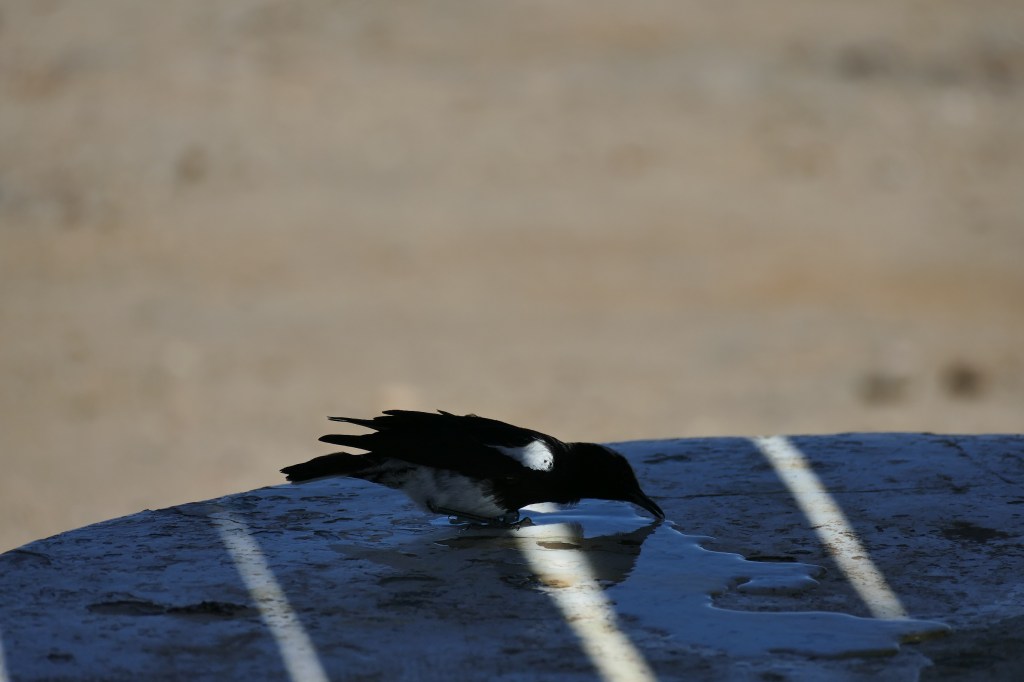
Half way to Walvis bay, I take a break, because it is “so nice here” 😊. I accidentally spilled some water and am happy that someone else is quite happy about it. Water is life …
Walvis Bay
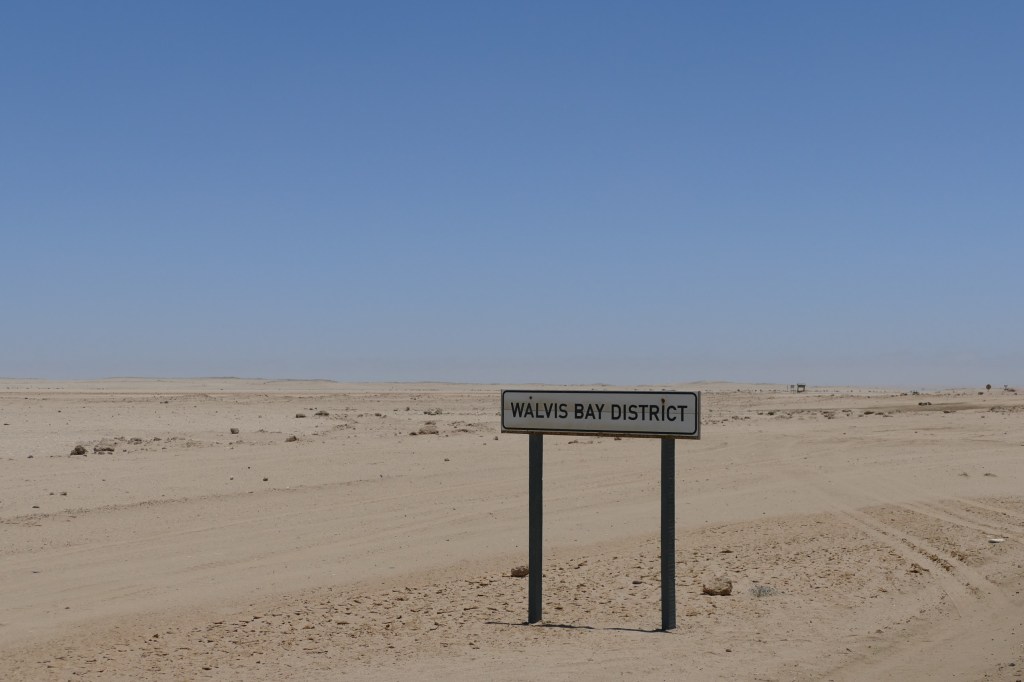
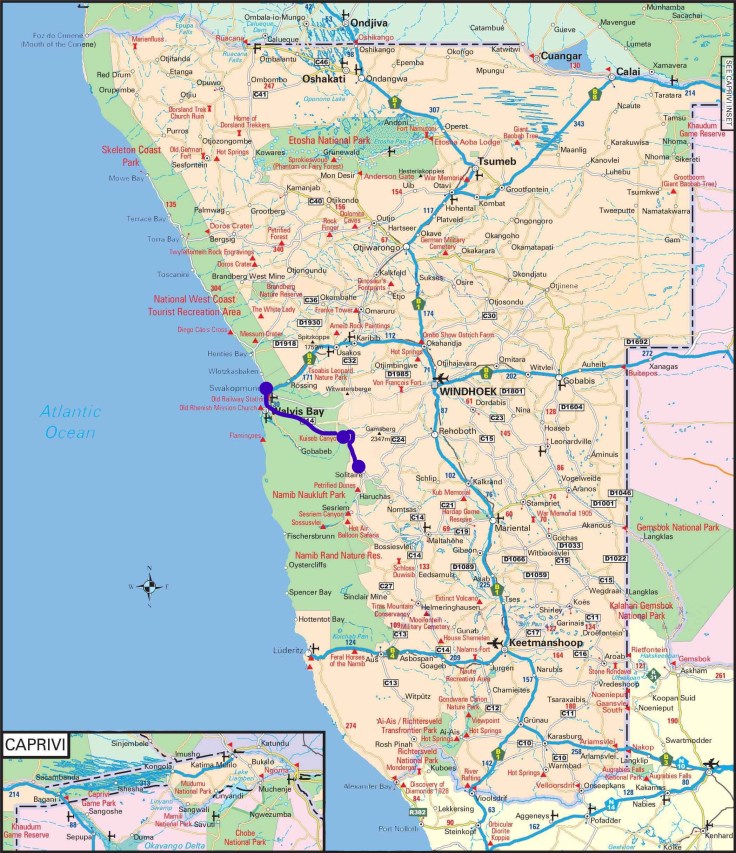
Only 30 km south of Swakopmund, Walvis bay is a little town with its own charm. The centre is not spectacular but provides shops to stock up and also seems to have some nice pubs and bakeries, although I did not try them out.
For tonight, I checked into a B&B nearby the promenade, the “Selkie B&B”. It looks charming and I immediately like the interior.
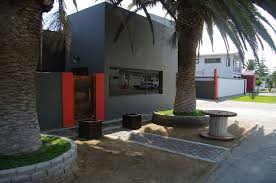
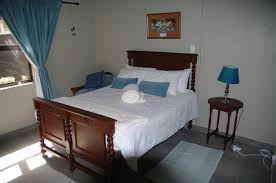
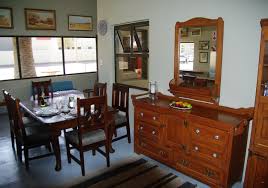
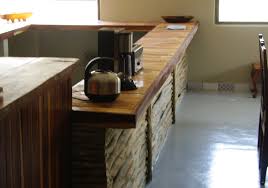
For the afternoon I don´t have much to do and decide for a walk along the promenade and to the lagoon that is famous for its flamingo colony. Neat, reet-roofed friesen houses with tidy gardens dominate the view. Could be a beach at the Northern Sea, just the palms make clear that it´s not.
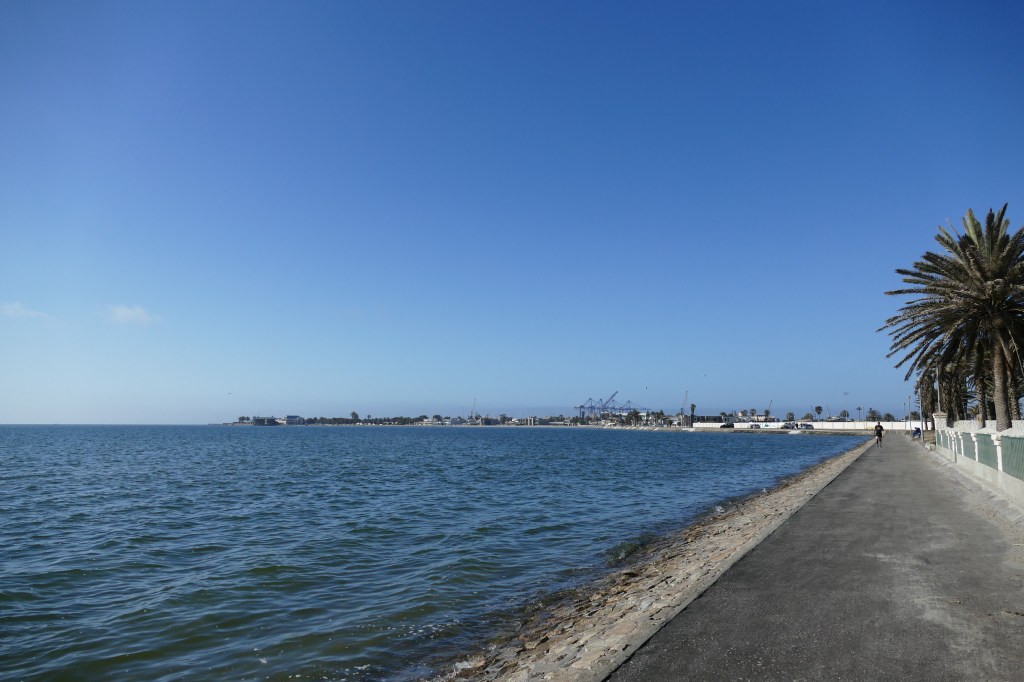
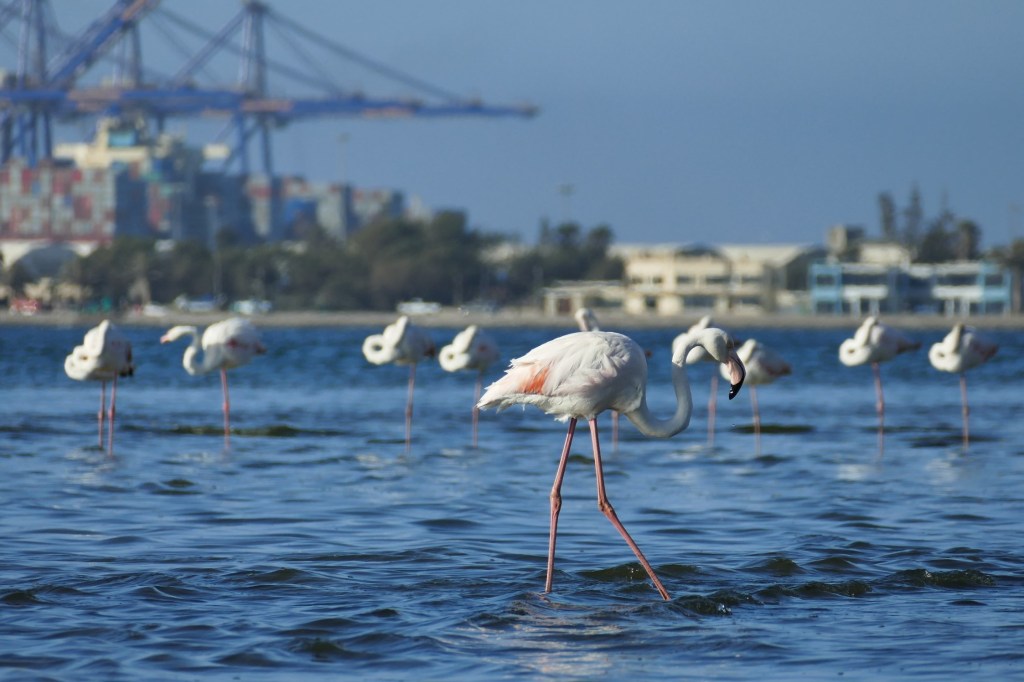
Walvis bay is the only real port between Lüderitz and Angola, and the harbour unfortunately takes a bit off the charisma, or defines it, however you see it.
Flamingos at Walvis bay
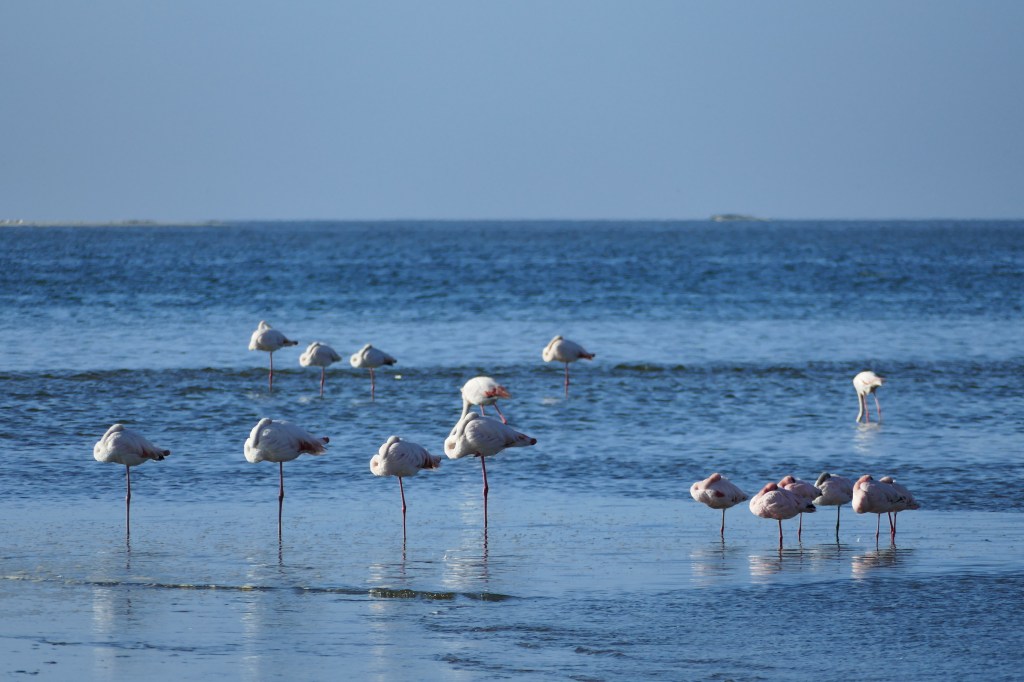
Lesser and Greater flamingo colonies are numerous in the lagoon at Walvis bay. Both species feed in the water, but with different approaches.
Lesser flamingos filter algae and microscopic organisms from the water by sucking in, and expelling the water from the bill.
While Lesser flamingos obtain algae and microscopic organisms by filtration, the Greater flamingo supplements its algae diet with small molluscs, crustaceans, and other organic particles from the mud. While feeding, it can be regularly seen stamping its feet to scare up a tasty potential meal from the ground.
The species can be distinguished by their size and colouration. Greater flamingos are white to light pink with whitish beaks with a black tip. Lesser flamingos are deep pink, often reddish in colouration with dark-red beaks.
Good night,
Sininho
 Sininho´s World
You must be logged in to post a comment.