
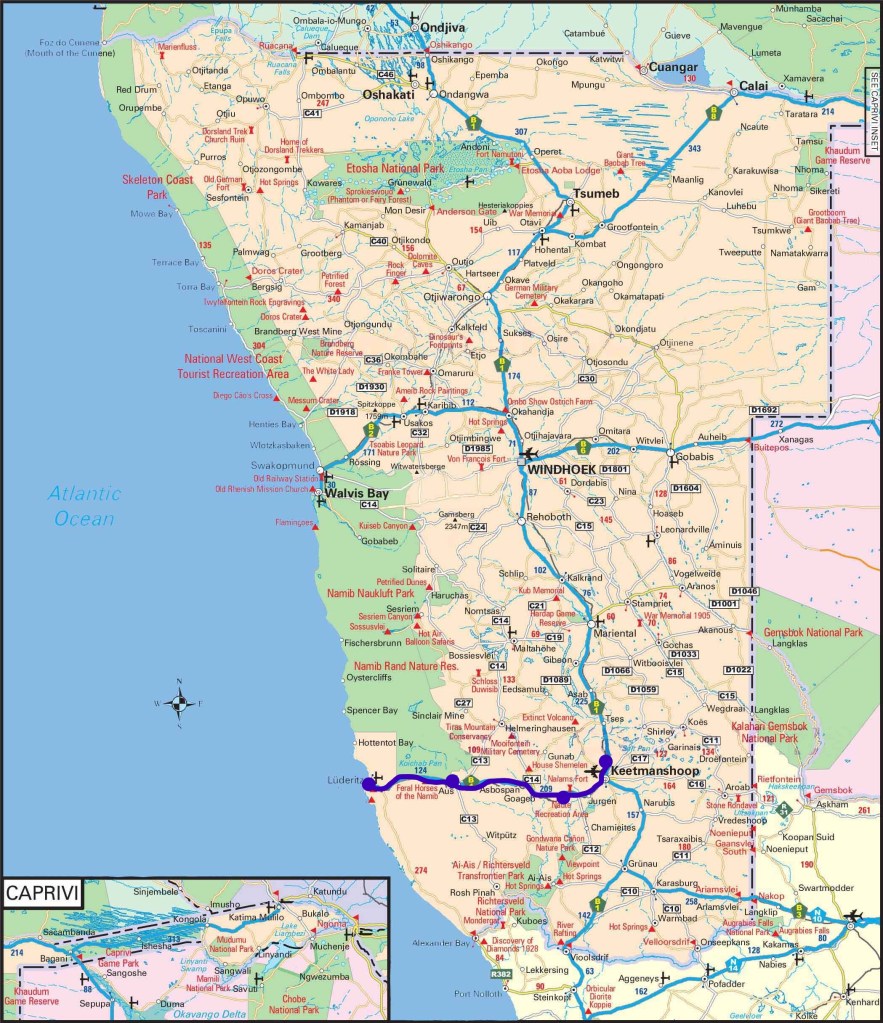
Keetmanshoop
This little town in the middle of nowhere is named after the German industrialist Johan Keetman (Hoop is derived from Afrikaans and means “hope”). Founded in 1866 as a missionary station, it is today considered as one of the most significant towns in the country. It became particularly famous as center of Karakul sheep breeding which started in 1906 with imported sheep from Leipzig, and is the most important hub regarding road and rail traffic in southern Namibia and the already existing railway line from Windhoek to Keetmanshoop was extended to Lüderitz in 1908, which gave Keetmanshoop access to the Atlantic Ocean.
The main attraction of the Keetmanshoop region are definitely the Quiver trees (Aloidendron dichotomum), that I have been lucky to already see at my last night´s campsite. The tree is found in very dry habitats in Namibia and South Africa and, mostly accredited to climatw change, listed as vulnerable by the IUCN. Quiver trees can get up to 300 years old and got their name from the San that used the branches as quivers for their arrows. Medicinally, the roots can be used to treat asthma and tuberculosis.
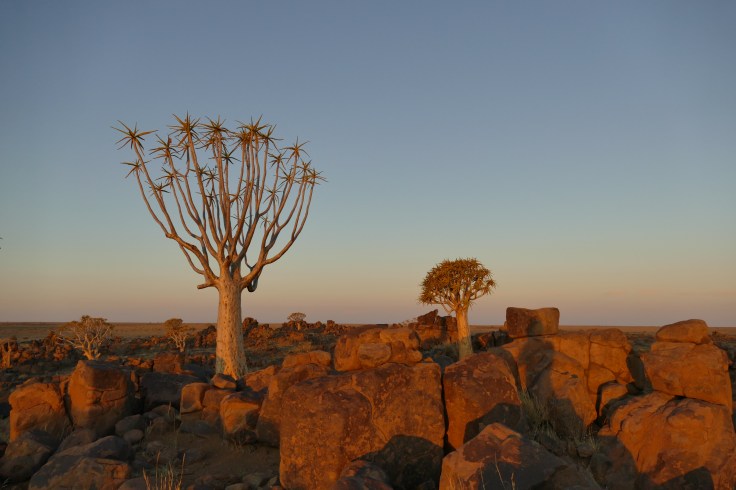
For me, Keetmanshoop itself was only worth a stop to fill up the car before I headed towards my next stop, the Naute Dam.
Accomodation options
- Garas Rest Camp (Campsite)
- Quiver Inn Guesthouse
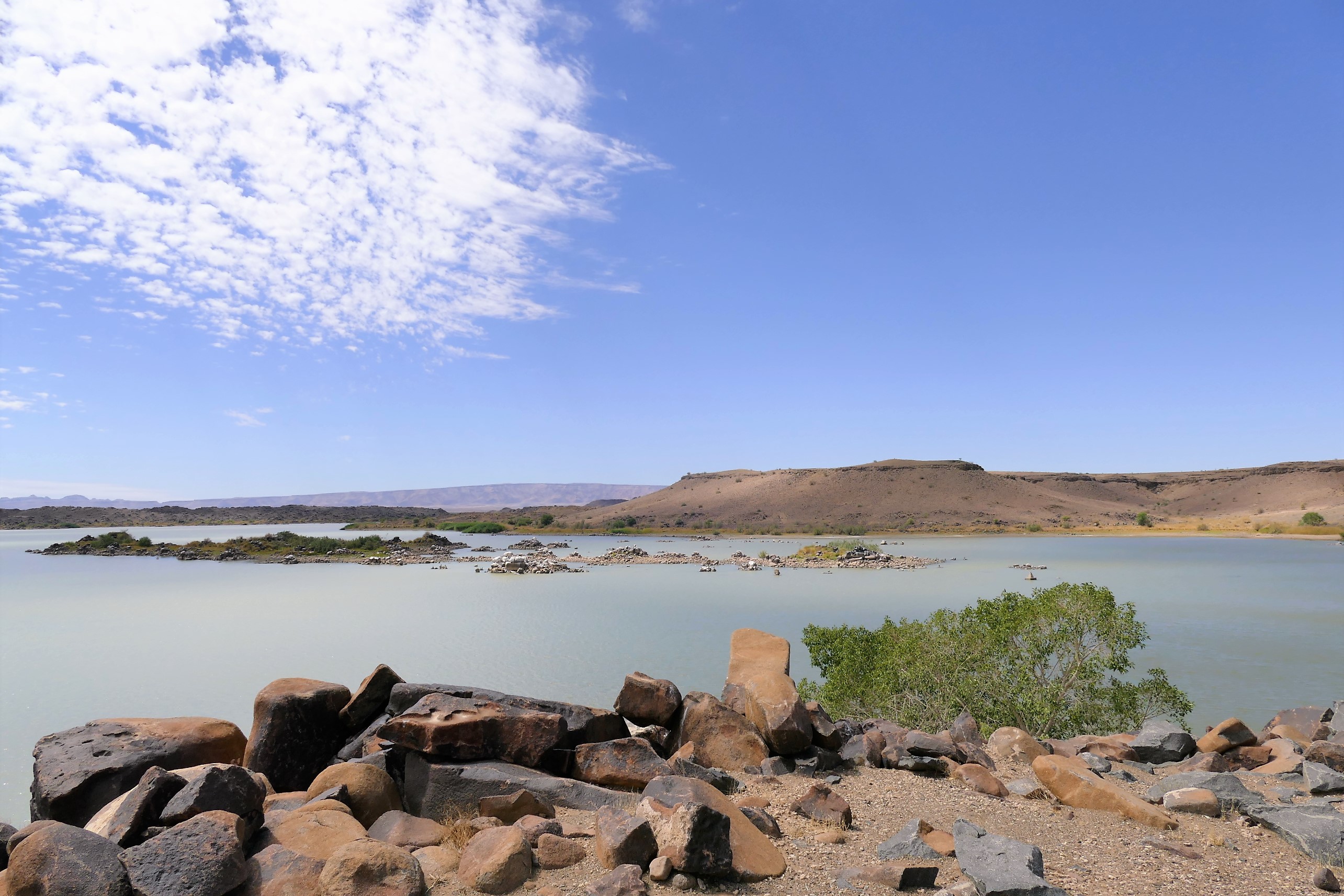
Naute Dam
Just after Keetmanshoop I turn West, direction Lüderitz, and after about 35 km, a sign announces the Naute Dam.
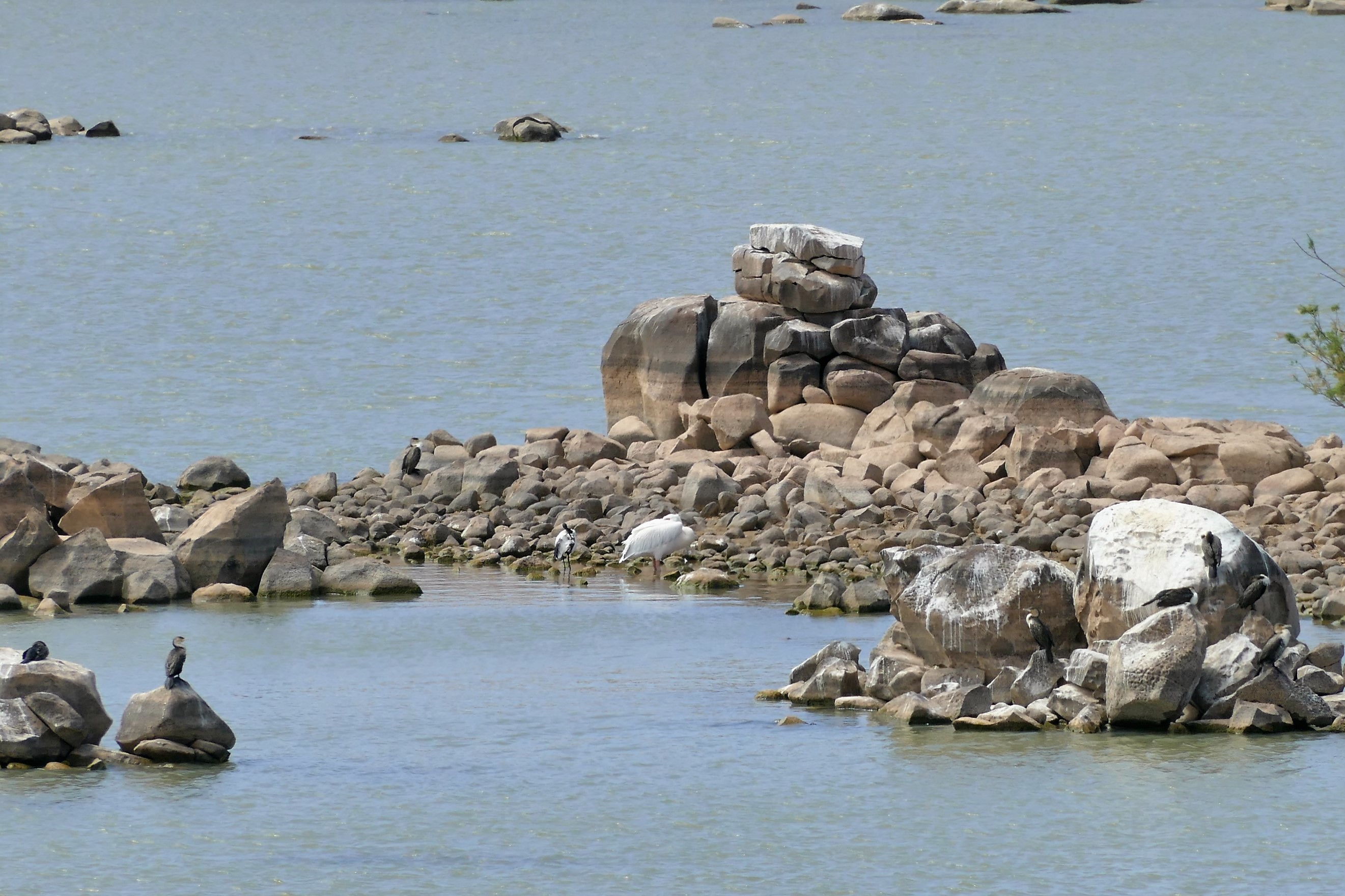
Geological and climatic conditions in the area are not great which made an agricultural utilization hardly possible. It seldomly rains, and if, the average rainfall does not exceed 100-200 ml per year and most of the water is supplied by the nearby Naute Dam. There is a rural campsite that not only makes a great overnight stop, but also provides some good birding opportunities. I actually could not figure out the rate of the campsite. There is a sign at the entrance that states some rates for day visitors and campers, but the security guy I met was not too sure about them, but be sure it will not be a lot.
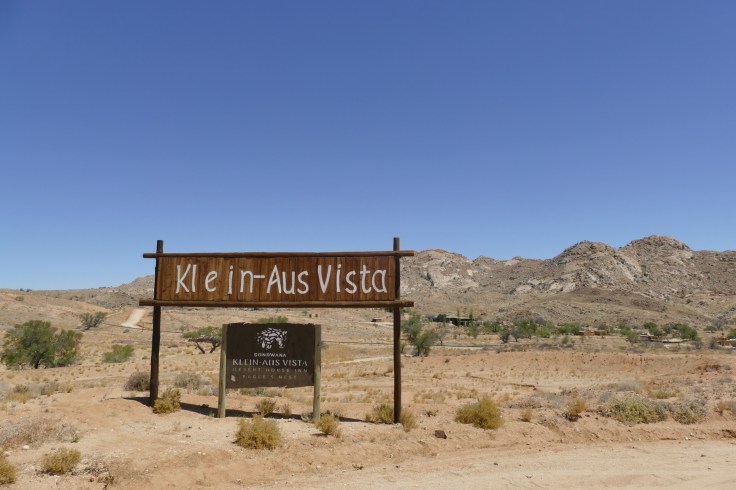
Klein-Aus-Vista
What must I say … it is one of those places that immediately touch you with its stunning karoo landscape and its unique vibe. Klein-Aus Vista … a place that radiates peace and power, freedom and ease. A place to breathe and energize.
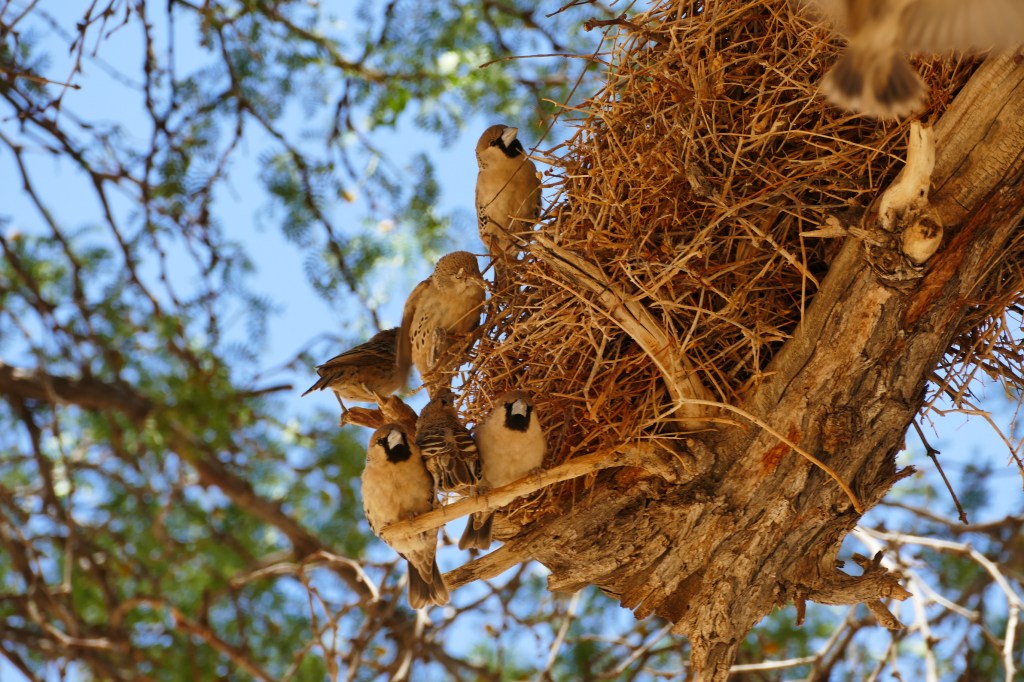
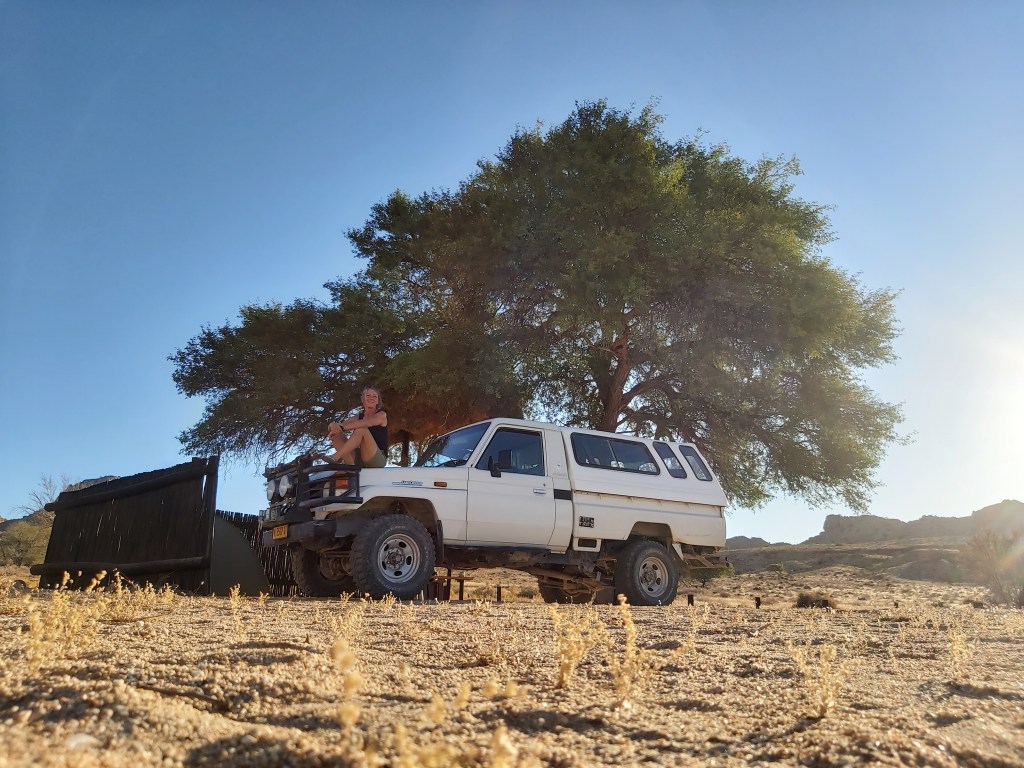
The lodge is already visible from the road and so are the mountains that rise behind it. I checked in and the friendly staff explained the way to the campsite that is about 2 km away, situated in an amphitheatre of rock formations and each campsite with a big, shade-donating camel thorn tree and mine even is host of a massive Sociable weaver colony.
The place is amazing, but I know that as soon as night comes, it will freak me out! I still don´t feel safe alone in the wild. Not even in a tent. How stupid is that? So I am released that I see another car coming to the campsite. Puh, that is soothing!
Several trails are easily accessible from the lodge or the campsite, and the next day early morning, I decided to do as much of the Vista Hiking Trail as heat allows (which was at the end not a lot) and especially the different plants and the view point were definitely worth the sunburn.
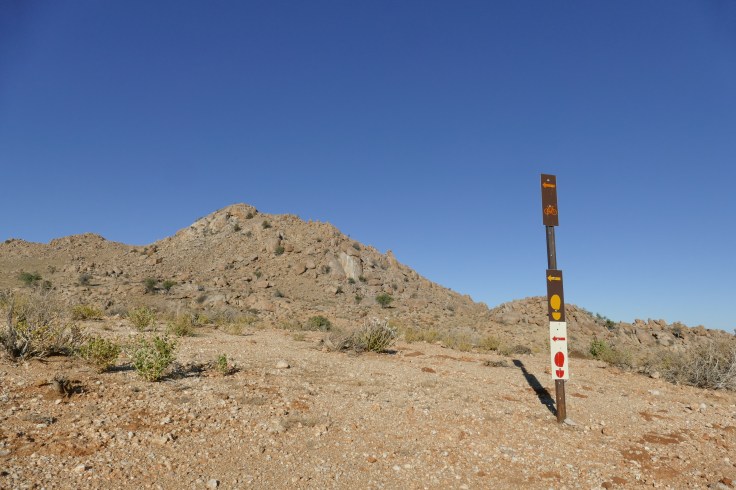
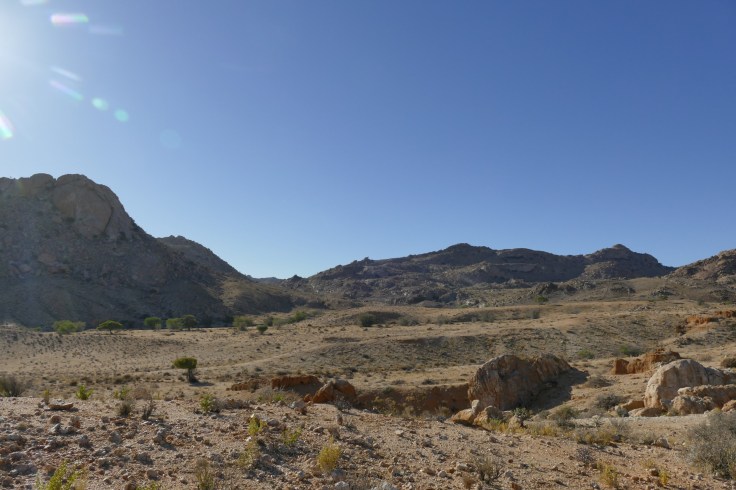
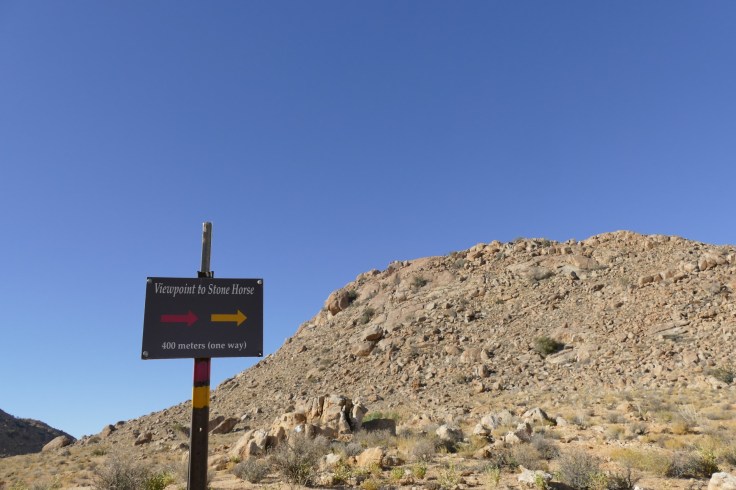
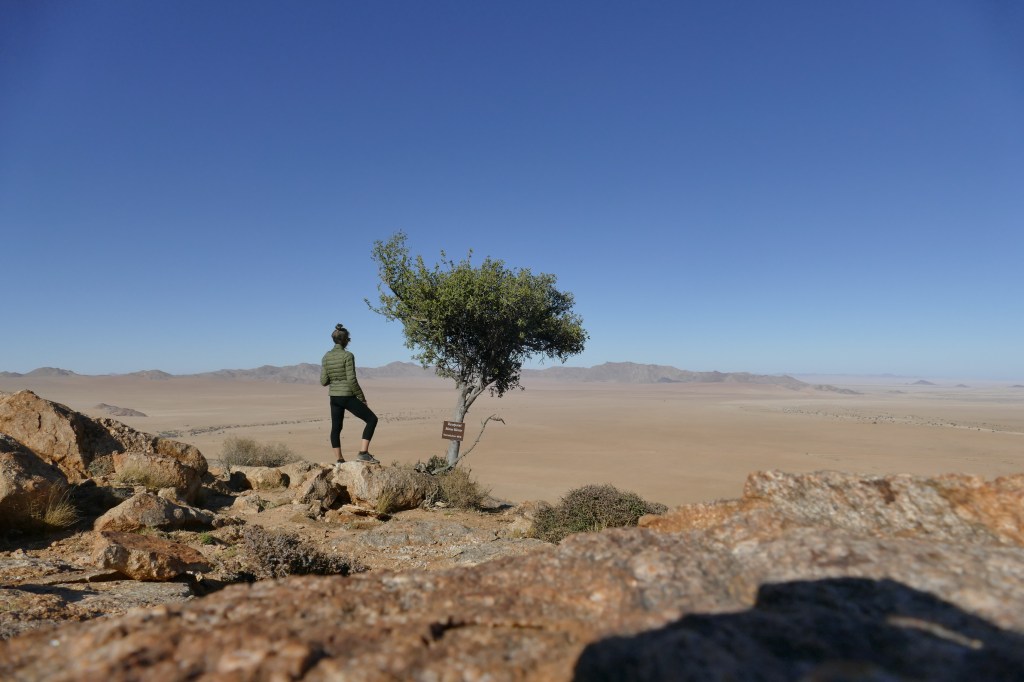
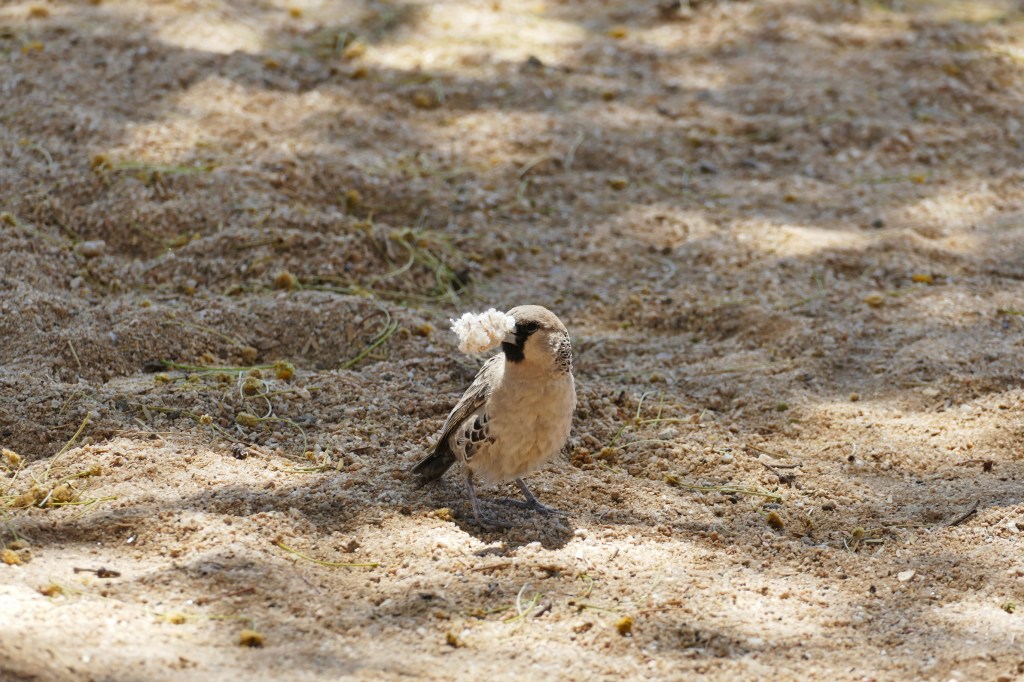
The rest of the day I allowed myself a lazy time, hanging around, enjoying the view on the rocky outcrops and it was a joy to watch the birds, especially the Sociable weavers, that came to the puddle of water that I created with not properly closing the tap.
Sociable weavers (Philetarius socius)
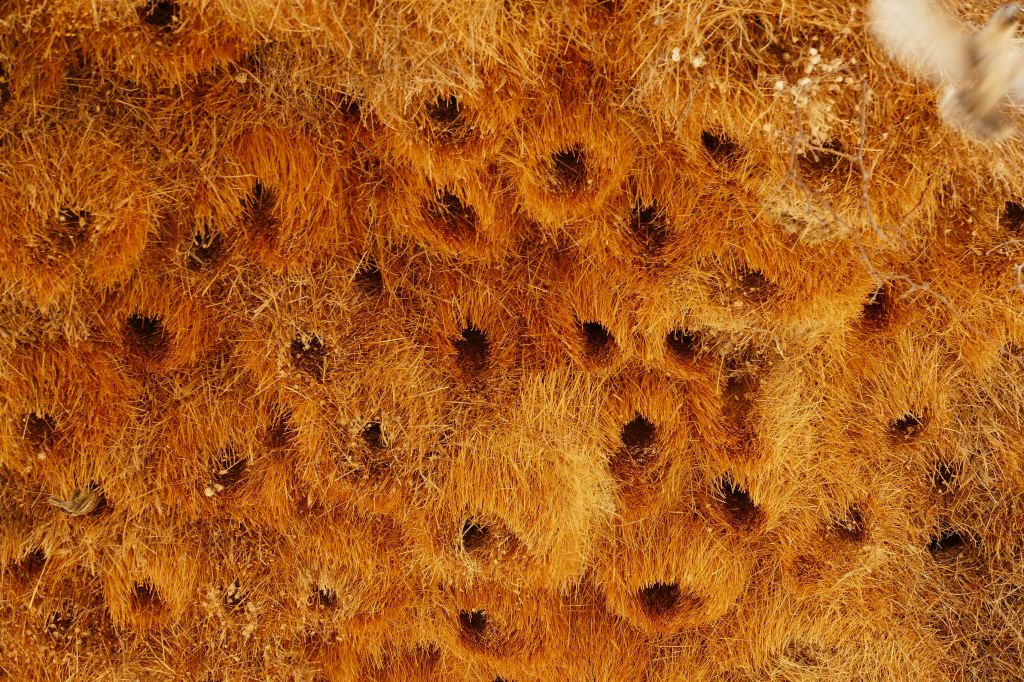
The sociable weaver is a common little brown bird in the Kalahari region of southern Africa. Yet this sparrow-sized critter may be one of the most interesting birds in the world! Especially their lifestyle and nest building differs from most other birds: They weave one nest for their entire colony as well as for future residents. This is no ordinary nest – it is massive, like a giant apartment block occupied by up to 100 sociable weaver families all year long. Some sociable weaver nests have remained occupied for over 100 years! From underneath, you can see the entrances to the different chambers within the nest that can count 5 to 100, providing a home for 10 to 400 birds!
When building the nest, sociable weavers use different materials for different purposes. Large twigs form the roof of the nest and dry grasses create the separate chambers. Sharp spikes of straw protect the entrance tunnels from predators. Nesting chambers are lined from top to bottom with soft plant material, fur, cotton, and fluff. A proper nesting tree has a long, smooth trunk and high branches to discourage slithering predators such as Cape cobras and boomslangs, a type of tree snake.
Weaver nests need constant care because of the nature of the materials used. Weavers continually add more material to keep the nest intact. The birds may seem like clever artisans with their nest-building ability. But sociable weavers build or add to their nest instinctively—they don’t need training and can only create their dwelling place the same way their ancestors have done. (Source: https://animals.sandiegozoo.org)
Some nests weigh several tons and can get so heavy they knock down the supporting tree. The largest sociable weaver nests are over 20 feet (6 meters) wide and close to 10 feet (3 meters) tall, with more than 100 individual nesting chambers.
With the neighbours at the campsite I felt quite safe, but only until I heard a noise when I was just getting ready for bed. I could not immediately see what it was, but it was not far. And it sounded big. And then this:
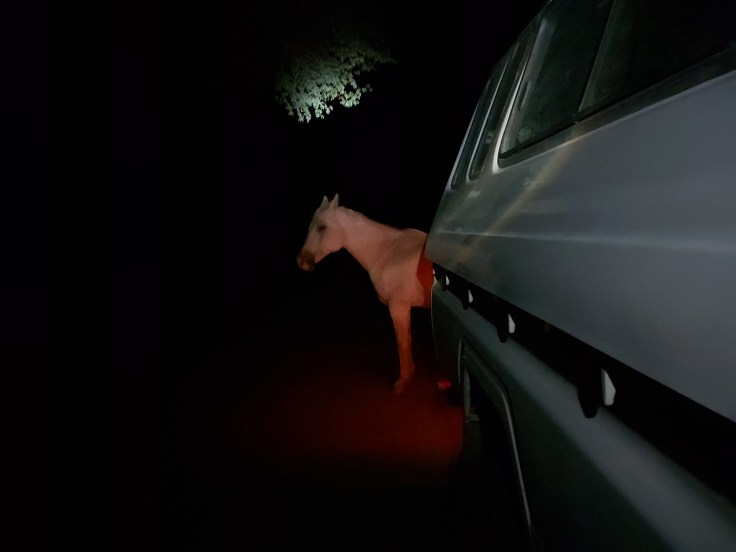
Apart from this short heart-attack, I slept very well and could have stayed another couple of days but there is still so much more to see so the next day I packed the tent, made the Landy ready and we hit the road.
Aus to Lüderitz
Keep an eye out for the wild desert-dwelling Horses. It is not yet clarified where they come from, but one theory suggests that they are descendants from the German Imperial Army (Schutztruppe) cavalry horses that have been abandoned during the South African invasion in 1915, while another one explains that they origin from a ship that had stranded.
Just a few kilometres after the park´s entry, Garub – an artificial waterhole – has been created where these horses can be found. Sometimes …
Lüderitz
Lüderitz is rather unspectacular. It was officially founded in 1908 as a mining post when diamonds were discovered in the Namib desert. The diamond trade shifted towards the mouth of Orange River in 1928, when richer diamond fields were discovered.
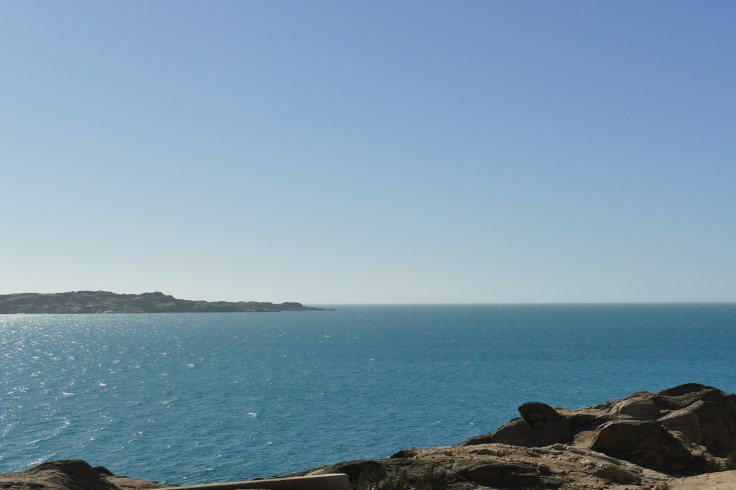
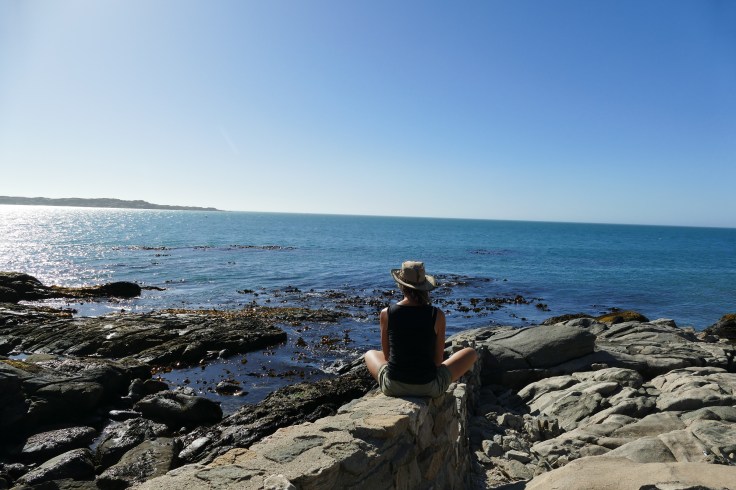
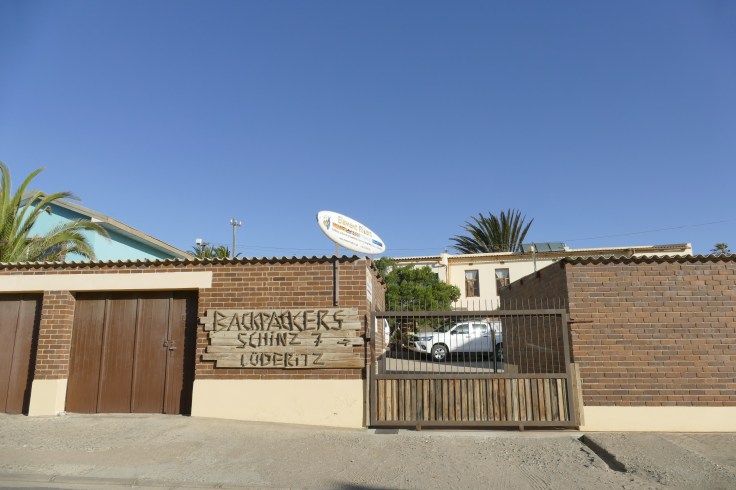
I had been thinking about booking onto the Shark Island Campsite but then found a lovely spot in the local backpackers. It seemed to be nice to have room for two nights instead of the tent, and as I was the only guest, I even had the whole house just for myself, although the campsite seemed really pretty, especially with its location on the peninsula of Lüderitz and a stunning view on the ocean.
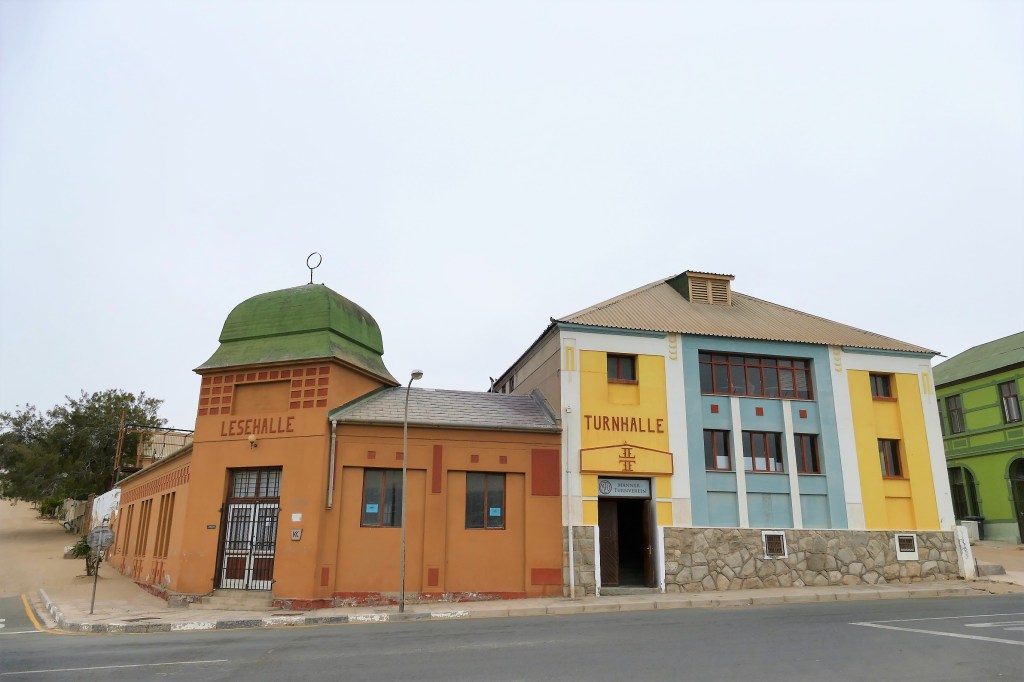
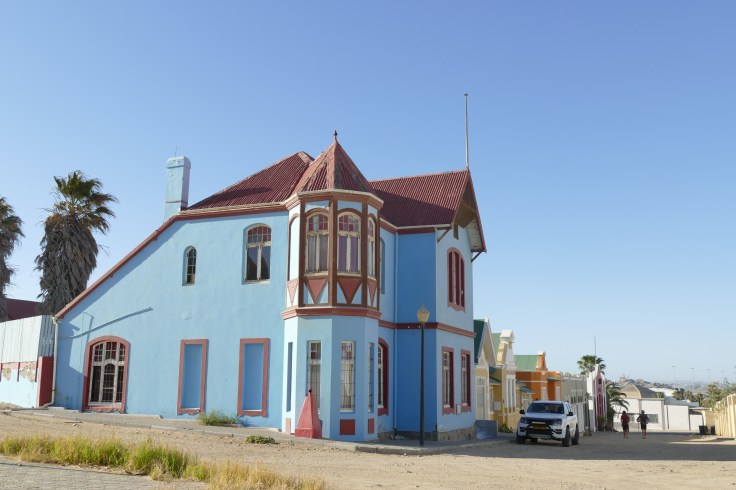
Beside the architecture, the weather in Lüderitz is something else that makes a difference. It is chilly, not to say cold! When I woke up early the first morning, a big layer of fog covered the town into a spooky atmosphere, which stayed for the rest of the day, giving me some time to chill and focus a bit on the further travel planning. And I was definitely glad for my room instead of the windy and exposed campsite!
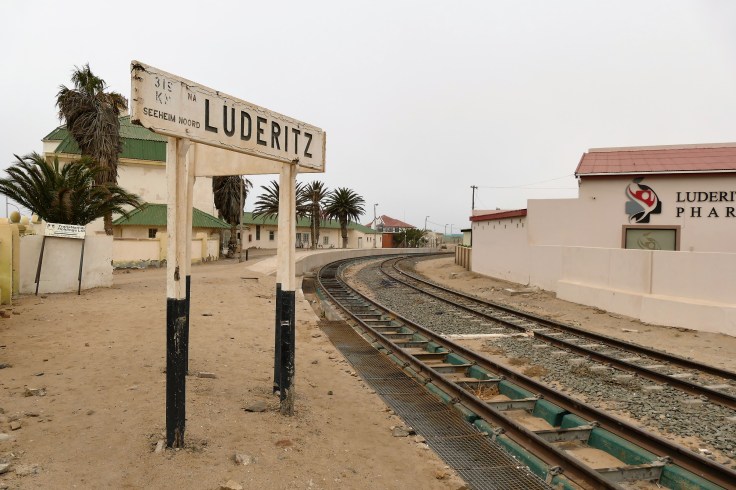
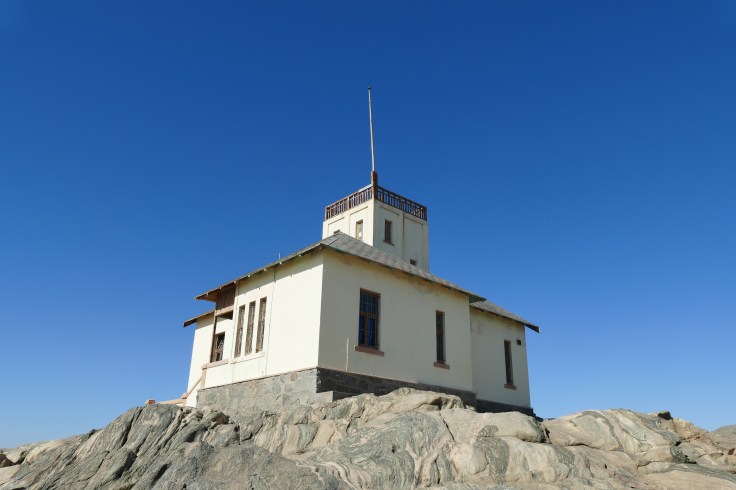
Allover, Lüderitz seems a bit shabby, leaving only some remains from the former German colonisation to wonder about … finding a “Turnhalle” or “Kegelbahn” is still something I don’t get used to. Lüderitz is not an ugly place, but mainly a town you just stop by on the way to Kolmanskop, the deserted old mining town nearby, but a beautiful seaside makes it worth coming and the cool breeze is a nice change to the temperatures of the last weeks.
Accomodation options
- Shark Island Campsite (NWR); looks very nice but keep in mind that the Atlantic ocean can make the night quite chilly.
- Element Riders Backpackers

Tomorrow I will explore Kolmanskop. This former rich, but now abandoned town is slowly taken back by the desert. Different ticket options are available and although I was worried about the fog, I still try the “Early Bird” ticket, that allows you to go into the park whenever you want. Otherwise the park opens at 8am only and I definitely had plans to be there around sunrise.
Good night,
Sininho
 Sininho´s World
You must be logged in to post a comment.