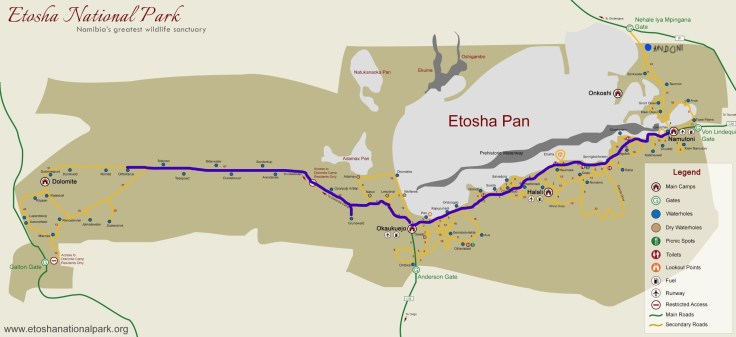
Olifantsrus to Namutoni
Green. A colour that is not dominating here. Not in Etosha, but especially not in the western part that has not seen rain for the last years. But somehow the Mopane trees manage to survive and to push out their new leaves, and speckle dry, yellow-brown landscape with their fresh green.
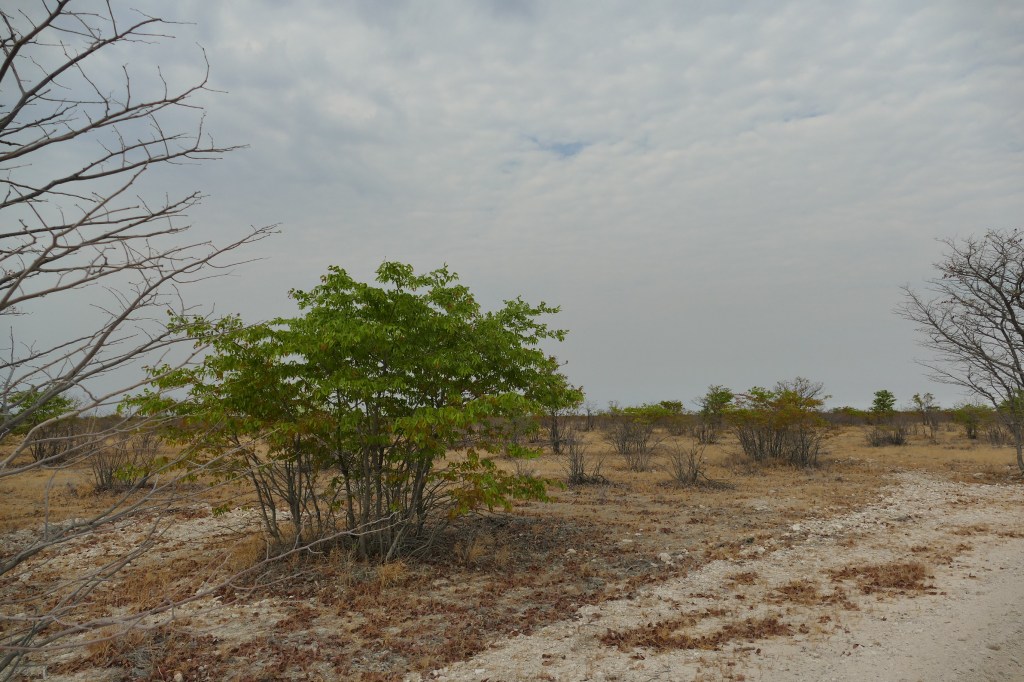
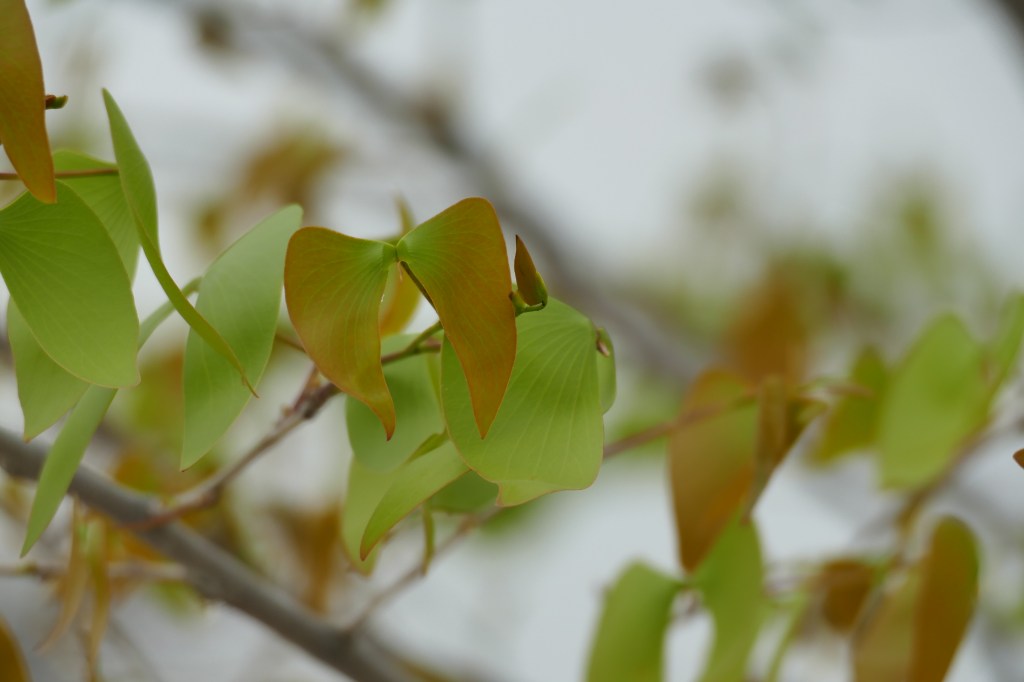
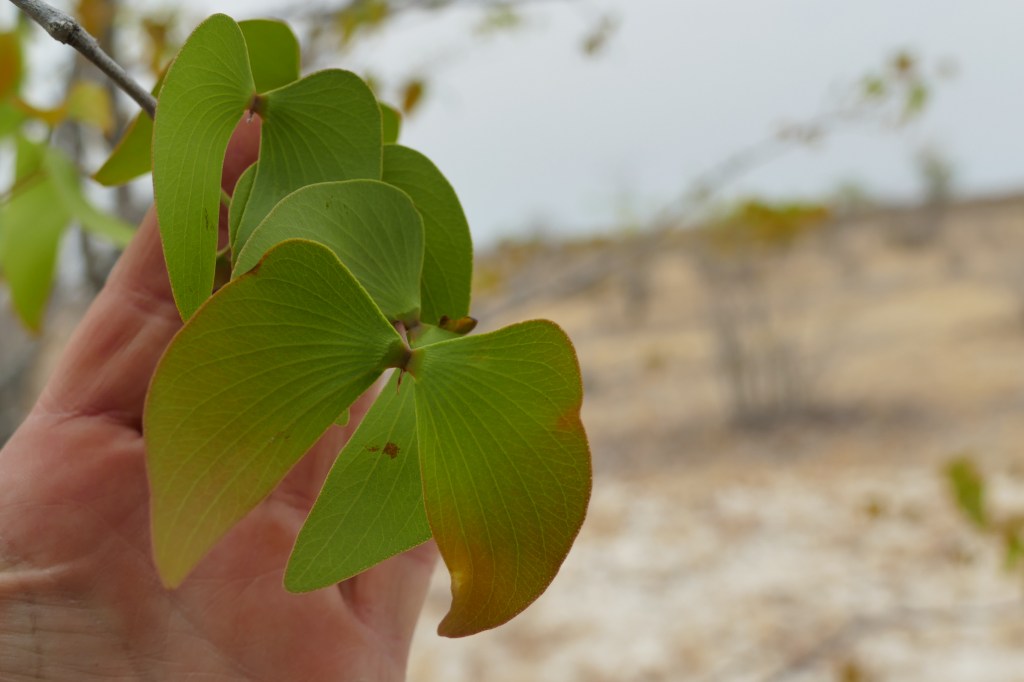
The Mopane Tree (Colophospermum mopane) is not only an important protein source for many browsing animals (leaves contain nearly 13% protein), but is also host for the Mopane Moth (Gonimbrasia belina) which is very important in the nutritional needs of many people around Africa. The caterpillar of the moth, known as the Mopane Worm, is harvested, and eaten as is or dried as a future food source.
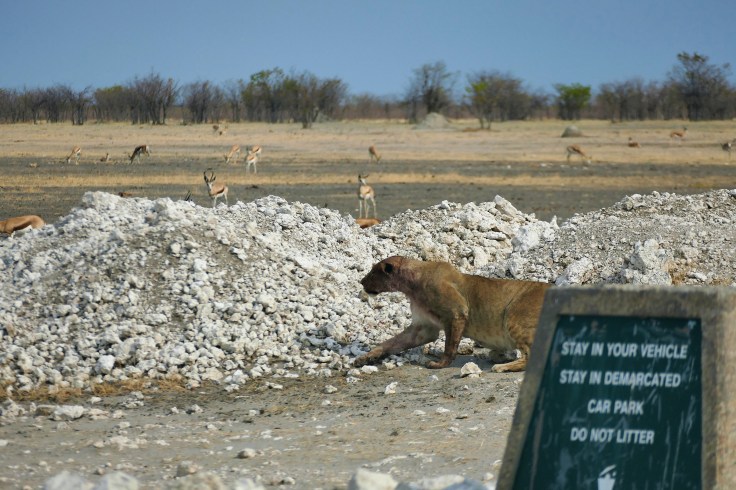
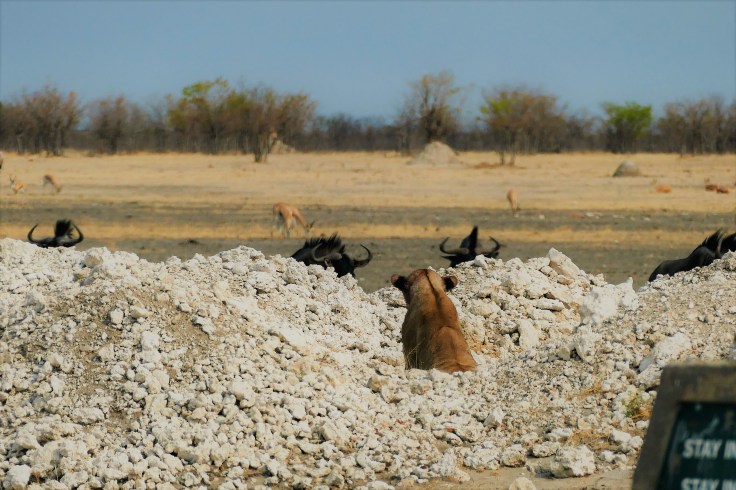
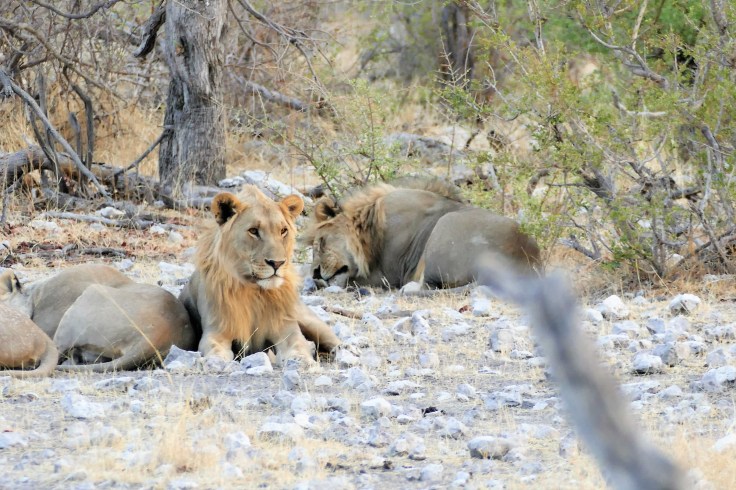
I was still a bit sleepy and thought about having a quick nap and coffee at Sonderkop, but that plan was spoiled by some lions that just came out from behind the water tank of this artificial waterhole. First one, then two, then some more and at the end I counted eleven lions, most of them subadults. While most of them were in the lion-typical lazy mode, one adult female started stalking some antelopes that came for a drink at the muddy pool that was created by the leaking water tanks. The walls around the tanks are a perfect hiding spot for the lions and they happily used it. I watched the female for around half an hour. She waited patiently for the right moment and I could see the tension in her body posture. Any movement or an early attack could make her loose her cover. It was nerve-recking! Suddenly, a movement to the right caught my attention and I noticed that one of the subadults came to help her. At least that is what I thought but I soon realised that he was just impatient and about to mess everything up by running towards the drinking springbok that saw him coming early enough to get into safe distance. After this unsuccessful approach, he joined his mates behind the walls for a team meeting where it was made clear that these spontaneous solo efforts were not helpful at all!
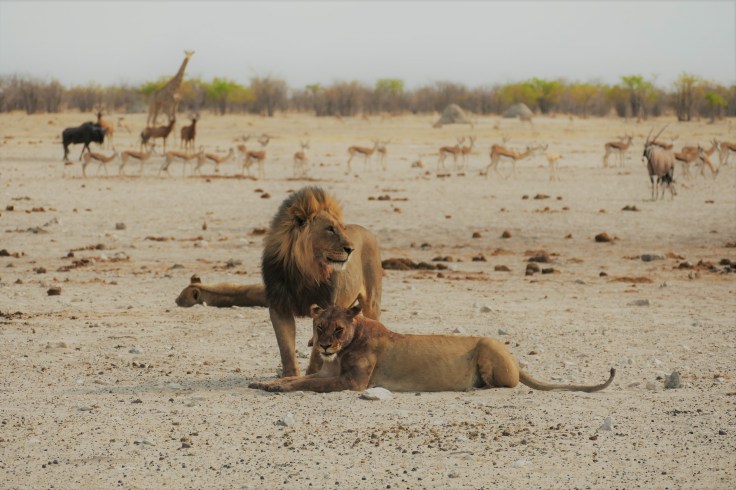
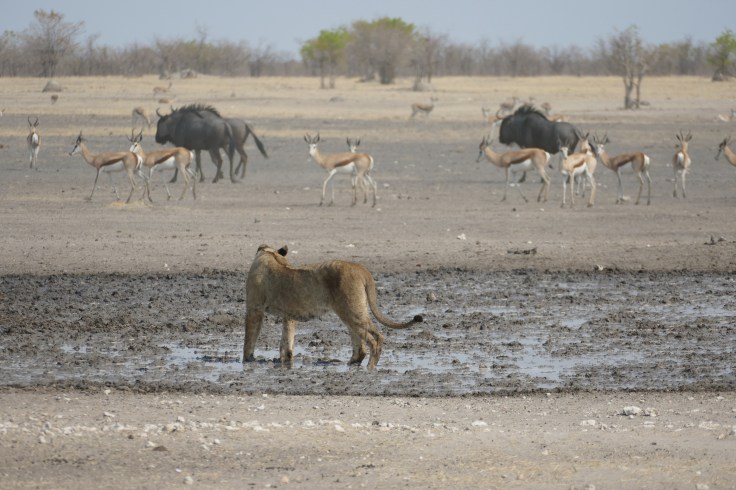
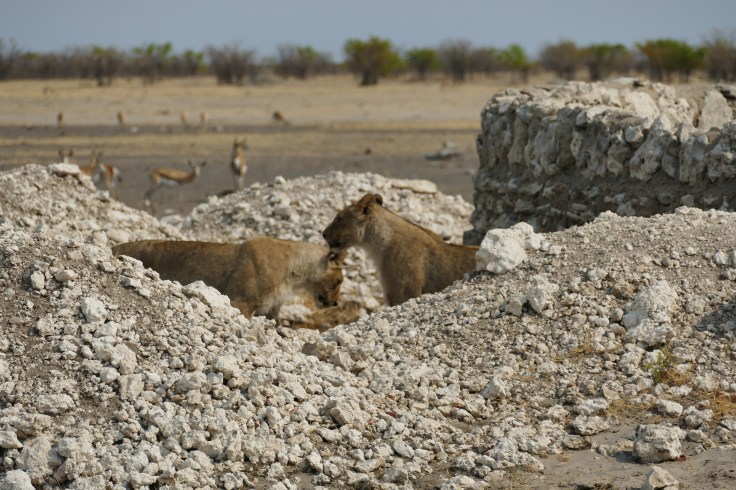
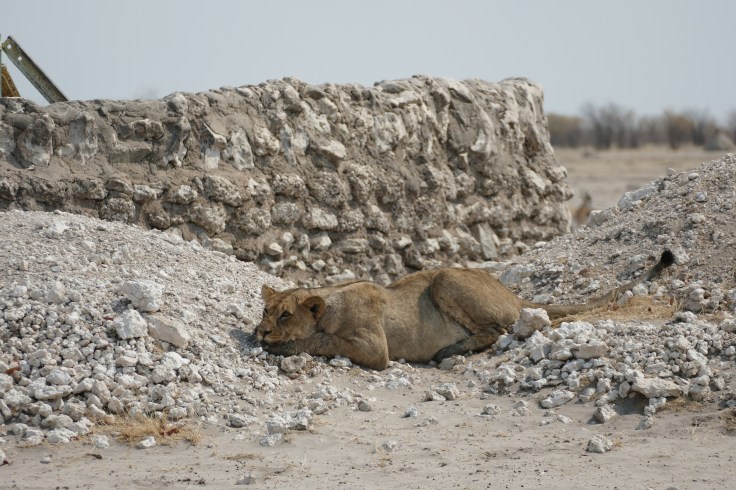
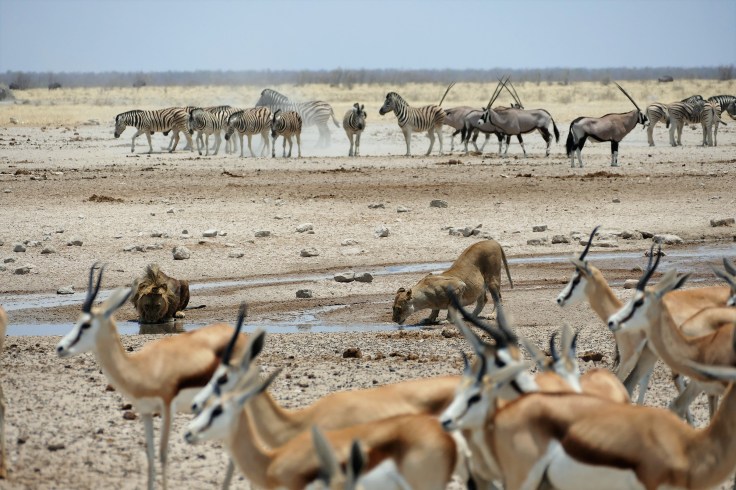
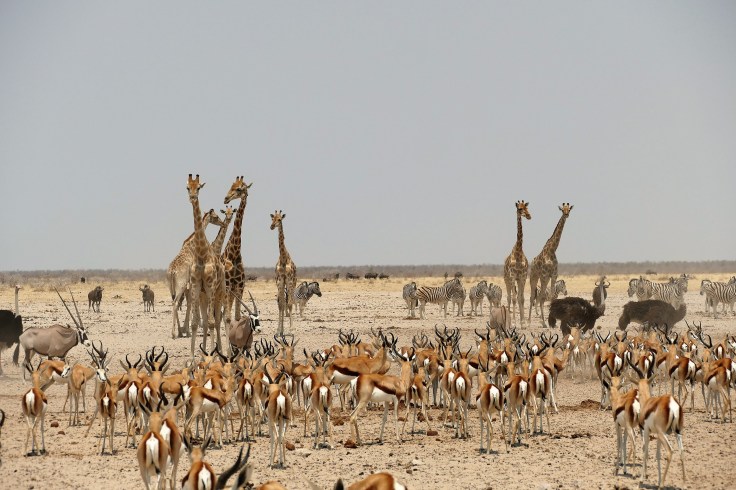
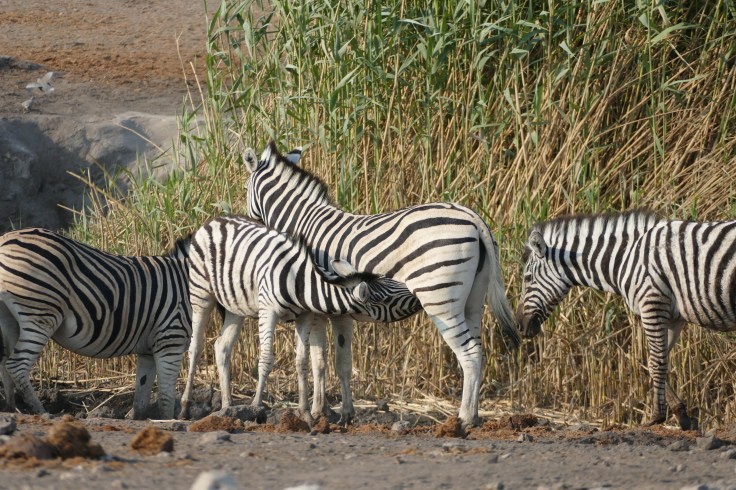
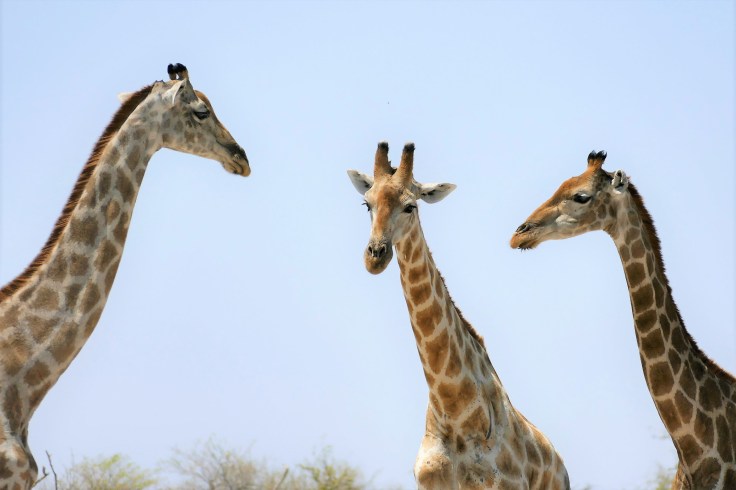
I could have stayed all day long but in regards of the long drive ahead, I had to leave at one point but “unfortunately”, more lions were waiting just at the next stop, the M´Bari waterhole. Four of these powerful cats controlled the place and kept hundreds of antelopes away from the valuable water. Springboks, Oryx, Wildebeest, Zebras, and Giraffes were all queuing in a safe distance, not willing to come closer. There is no shade, not even a bush to hide from the burning sun but with the lions around, no one wanted to take the risk. I think the lions knew exactly! They knew that at one point, when heat and thirst become unbearable, one will take the first step, and they will be ready. From time to time one of the lions got up to change position but my guess is that they also did it just for fun, to create a bit of a chaos in the ungulates and make them disturb in all directions.

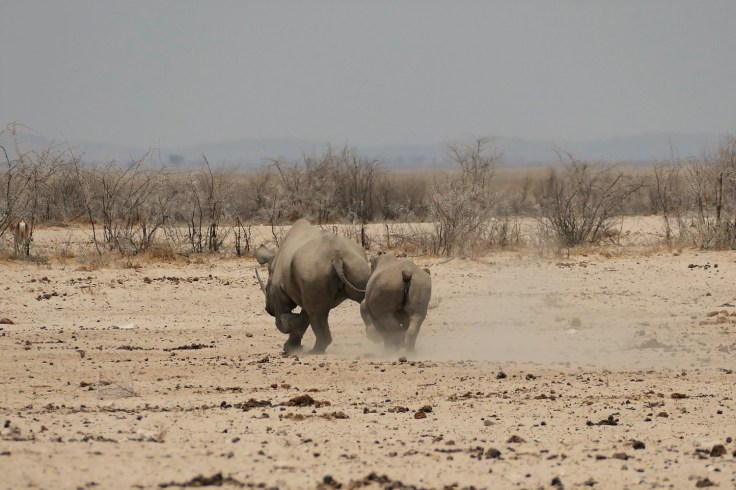
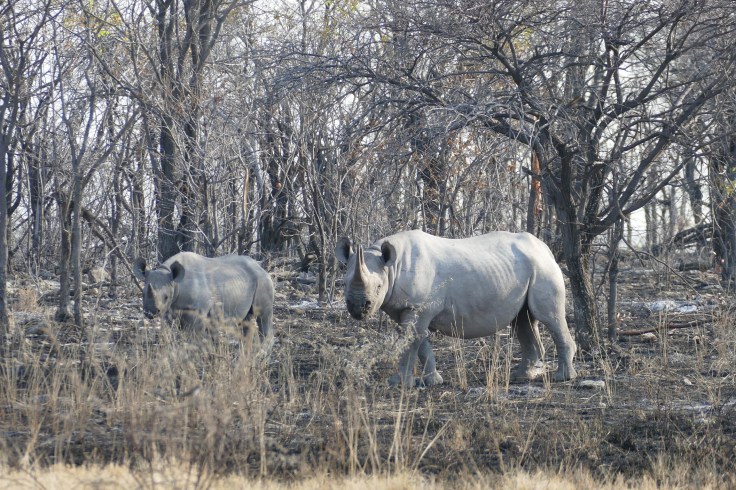
The way from Okaukuejo to Namutoni was frustrating. Most of the southern part of the road was burnt by the recent veldfires, starting from about 30 km before Halali and all the way to Namutoni. More than 100 km of burnt earth and I try to get rid of the imagination of how many animals did not survive this hazard, especially the small and young ones. Fires are part of their life and animals usually deal good with them which is the only thought that helps me staying positive.
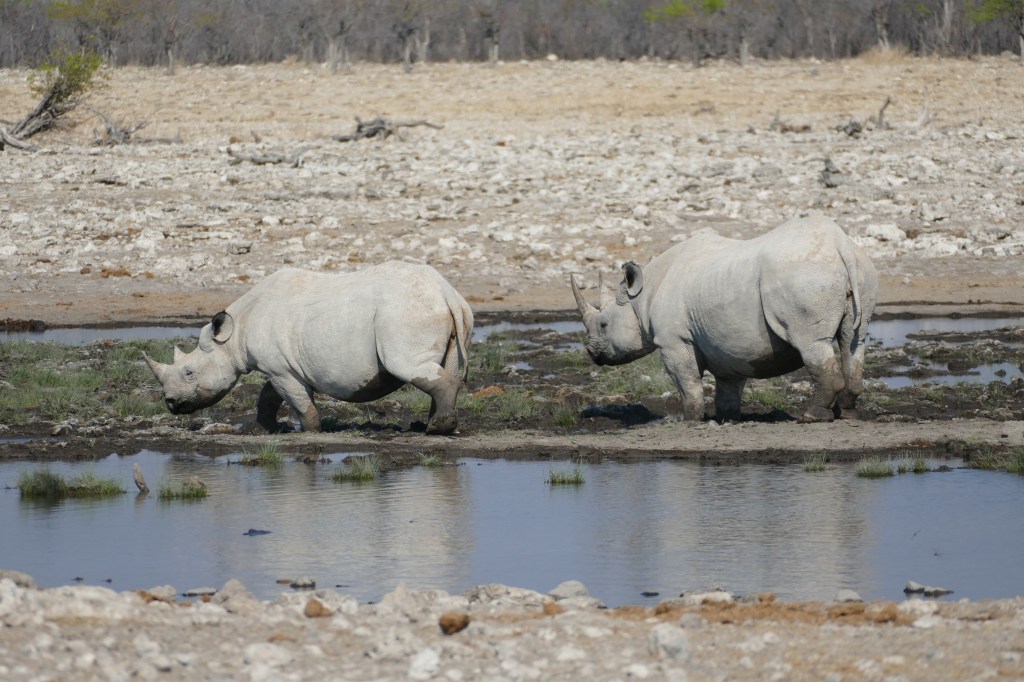
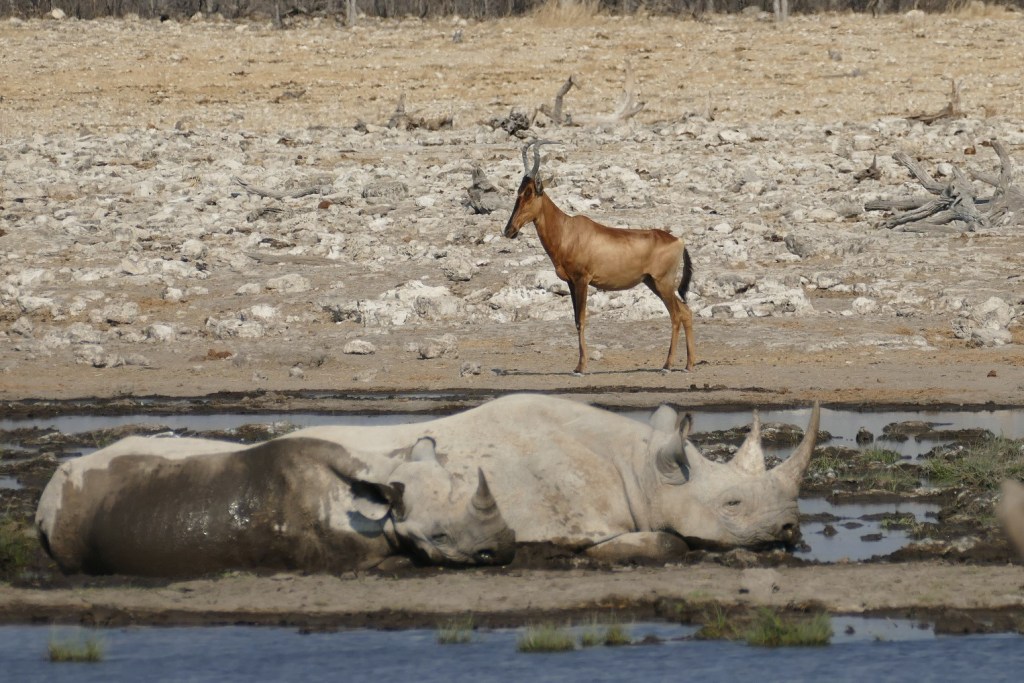
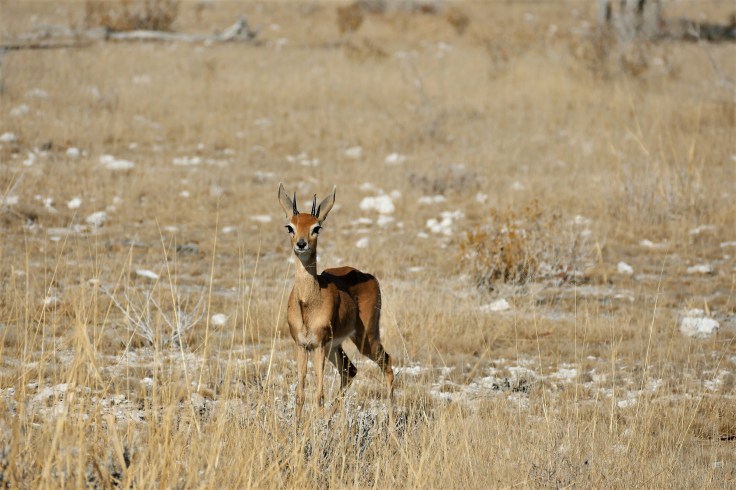
And luckily, I found some survivors which also made me hope.
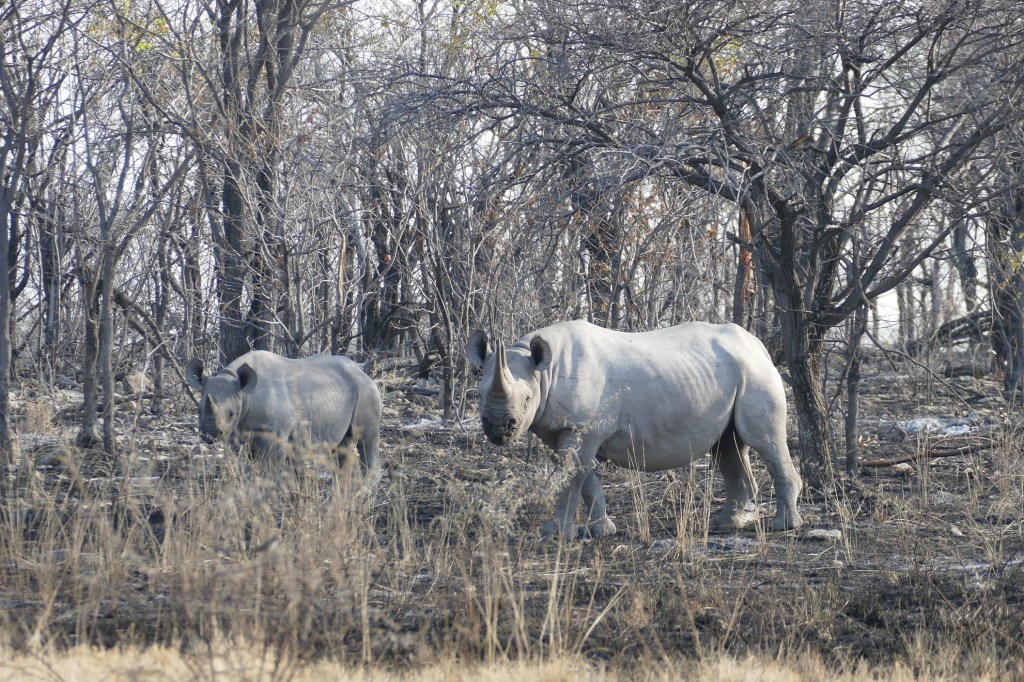
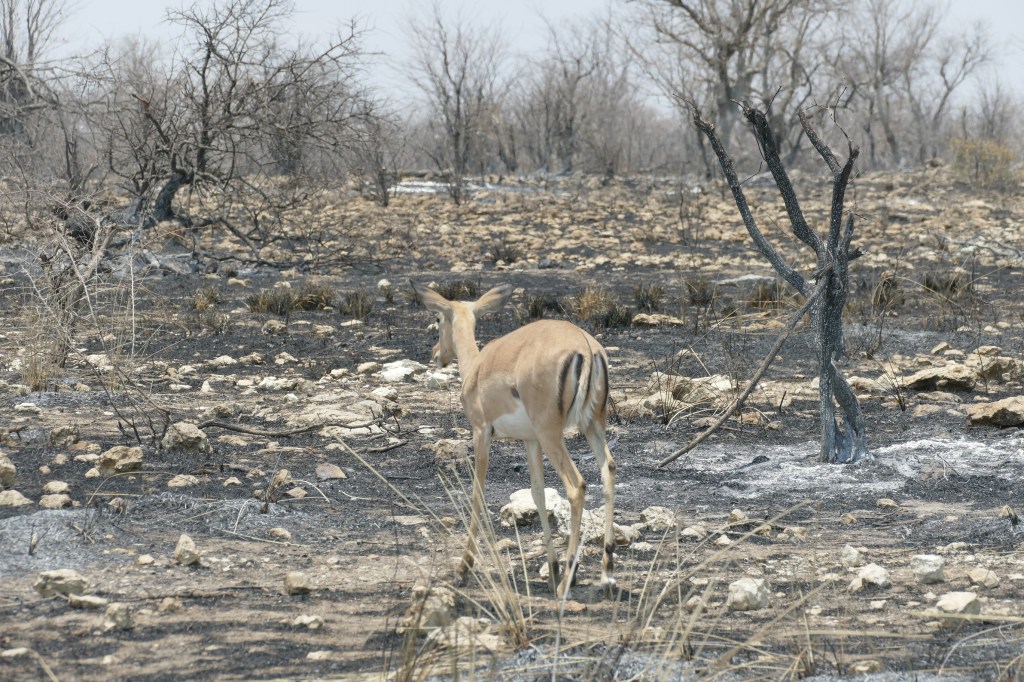
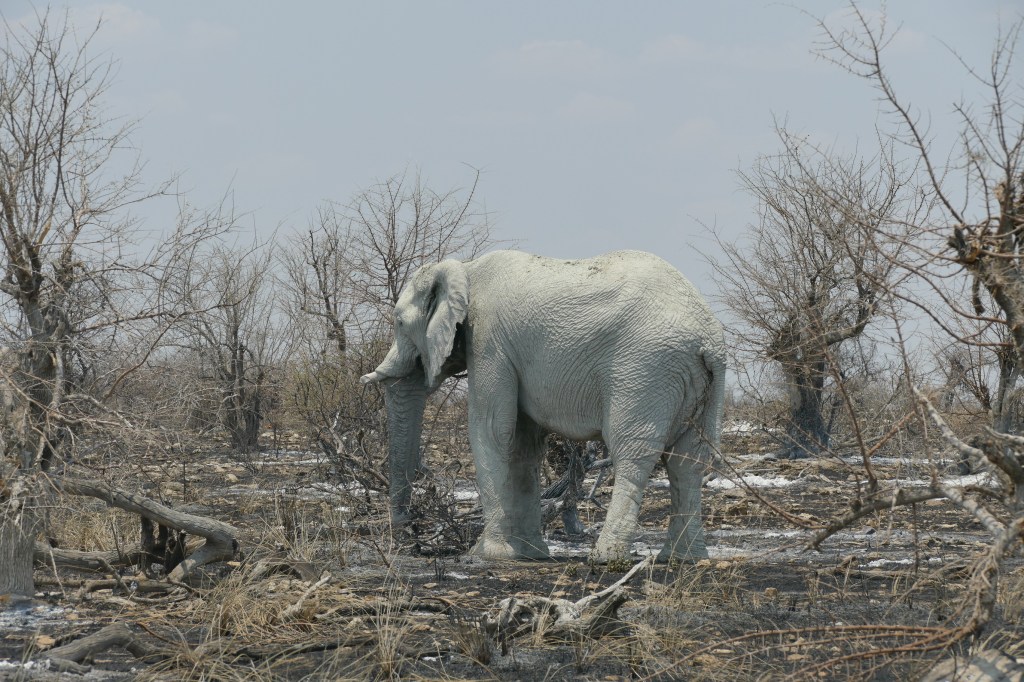
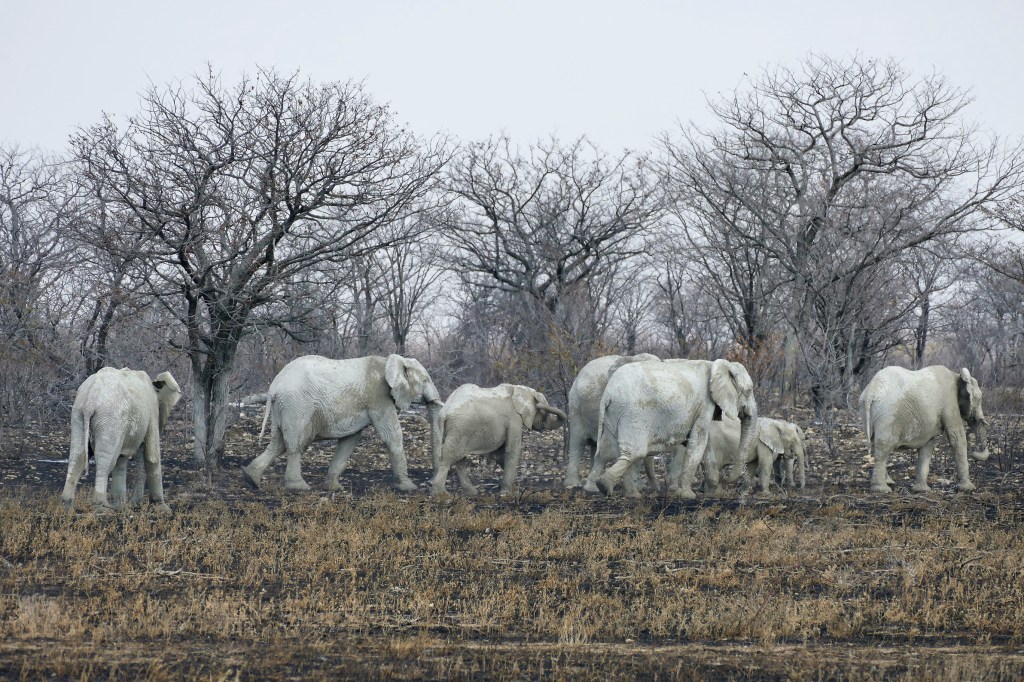
As usual, the drive took longer as expected but once I arrived, I found the best spot for my tent: underneath a big and beautifully flowering Apple-leaf tree.
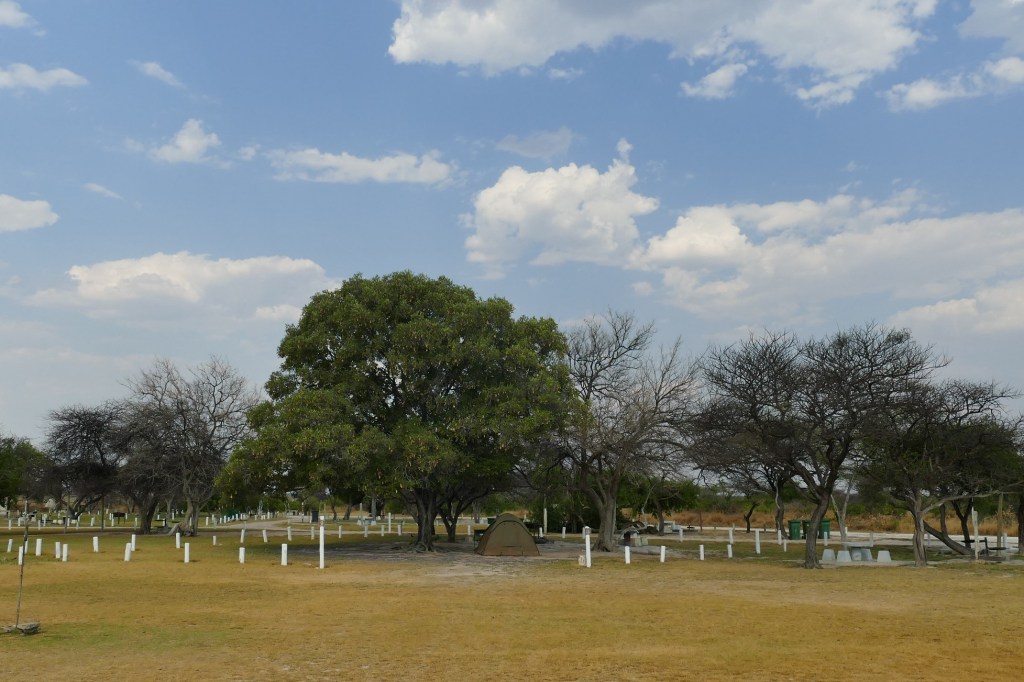
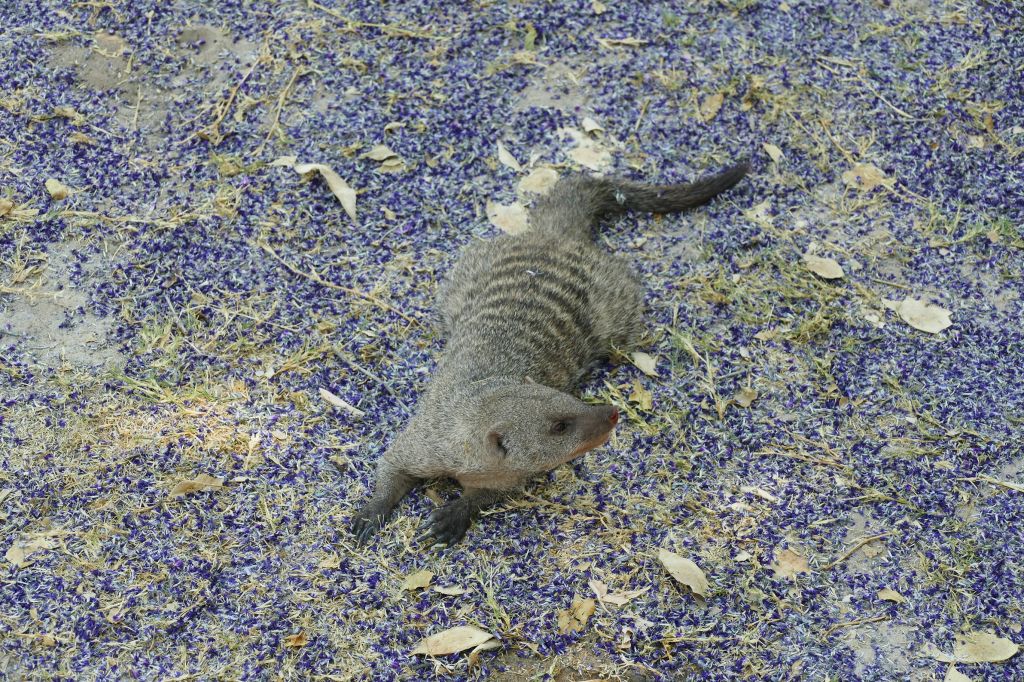
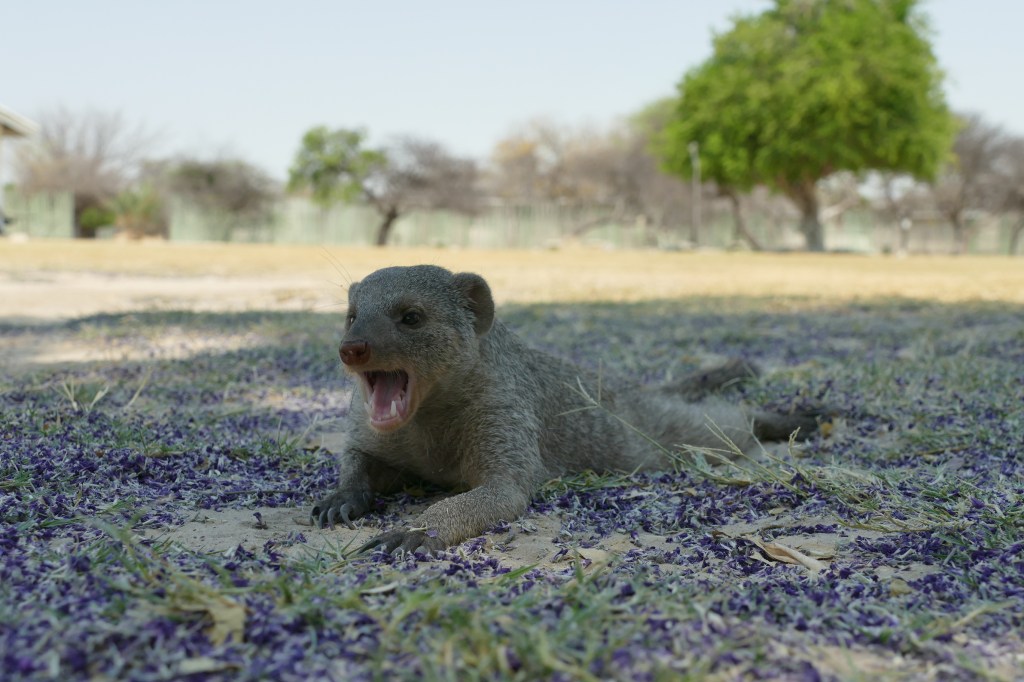
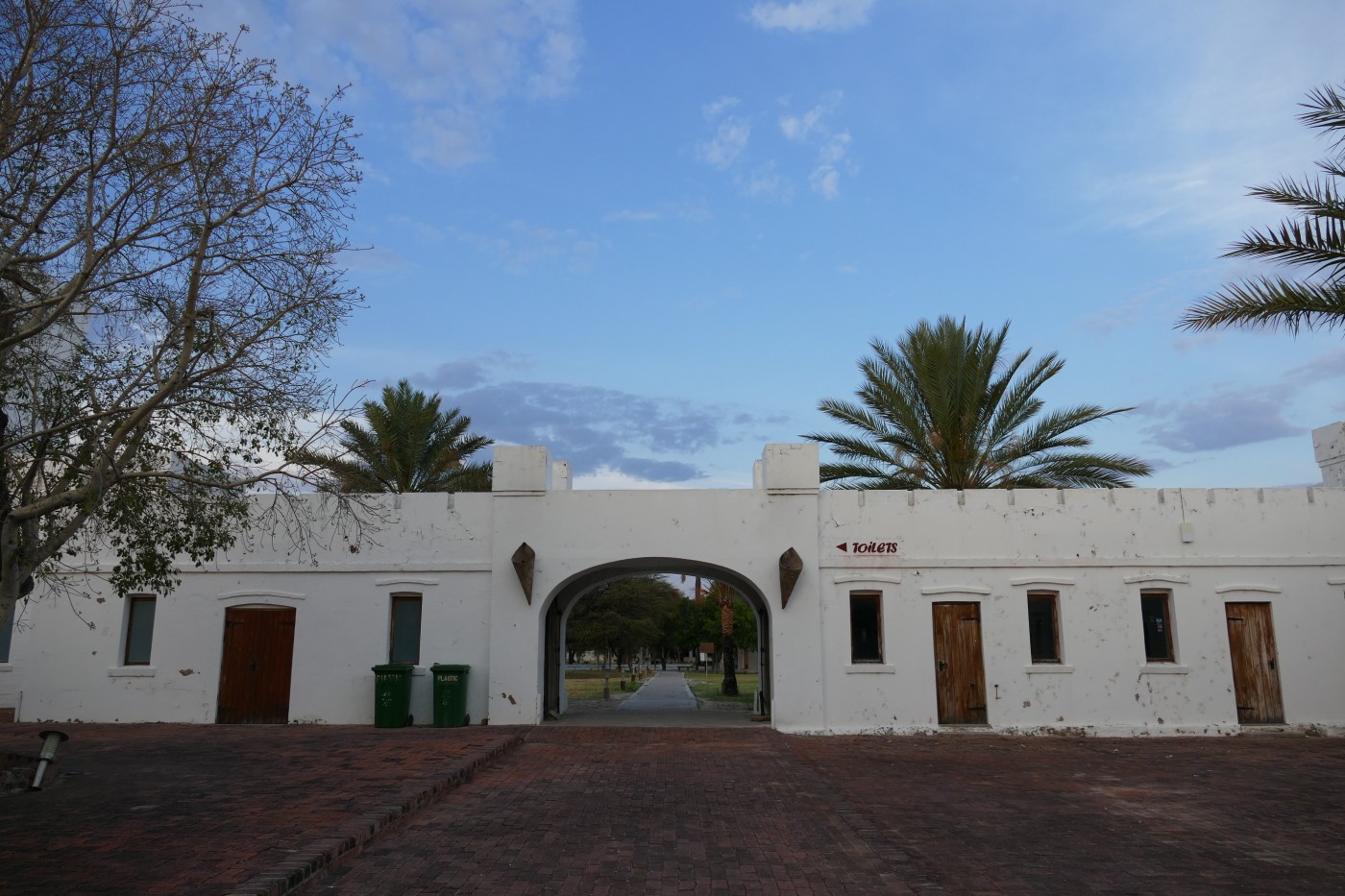
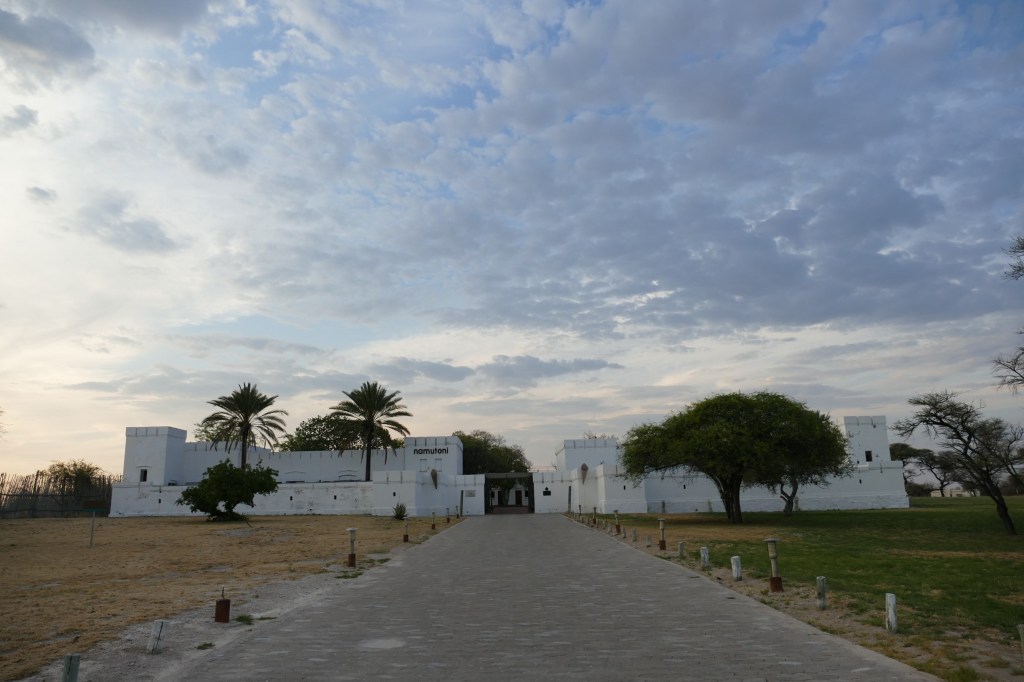
I have already been to Namutoni a couple of times but never really explored the campsite itself, nor did I step into the pretty old fort.
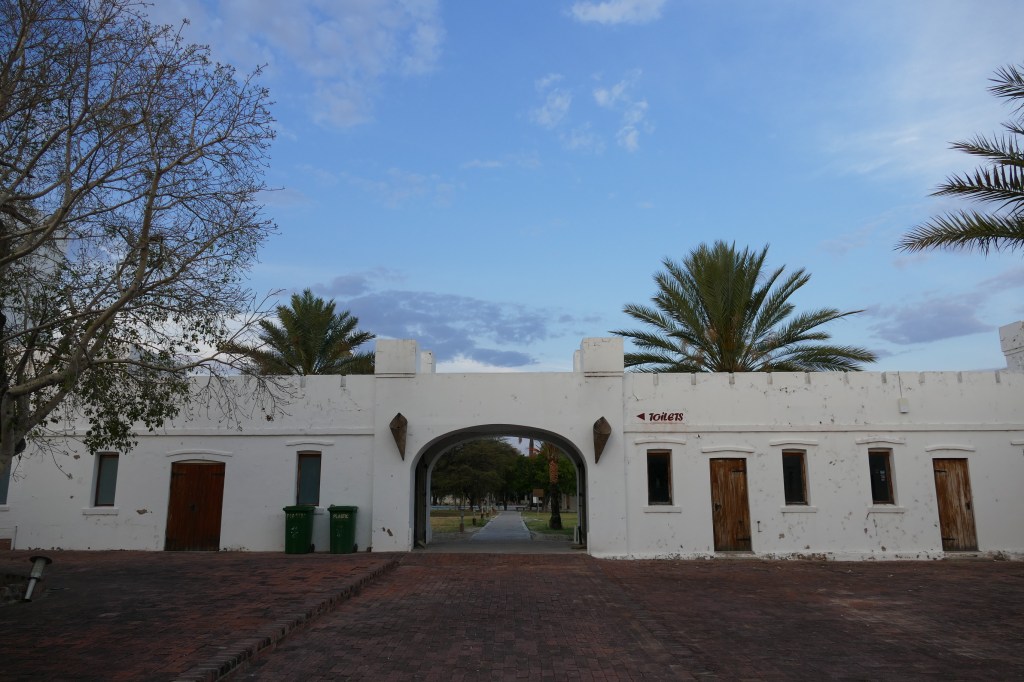
From 1896, Namutoni was used as control post to secure the “Red line” (Rinderpest control) and later to control trade and prevent smuggling of firearms, ammunition, horses, and alcohol. Three years later, the German cavalry started with the building of the Fort, that was finished in 1901. It was completely destroyed in 1904 when 500 Ovambo men attacked the Imperial Germany Colonial Army troops (Schutztruppe) but later reconstructed and used as police poste until it became a National Monument in 1950.
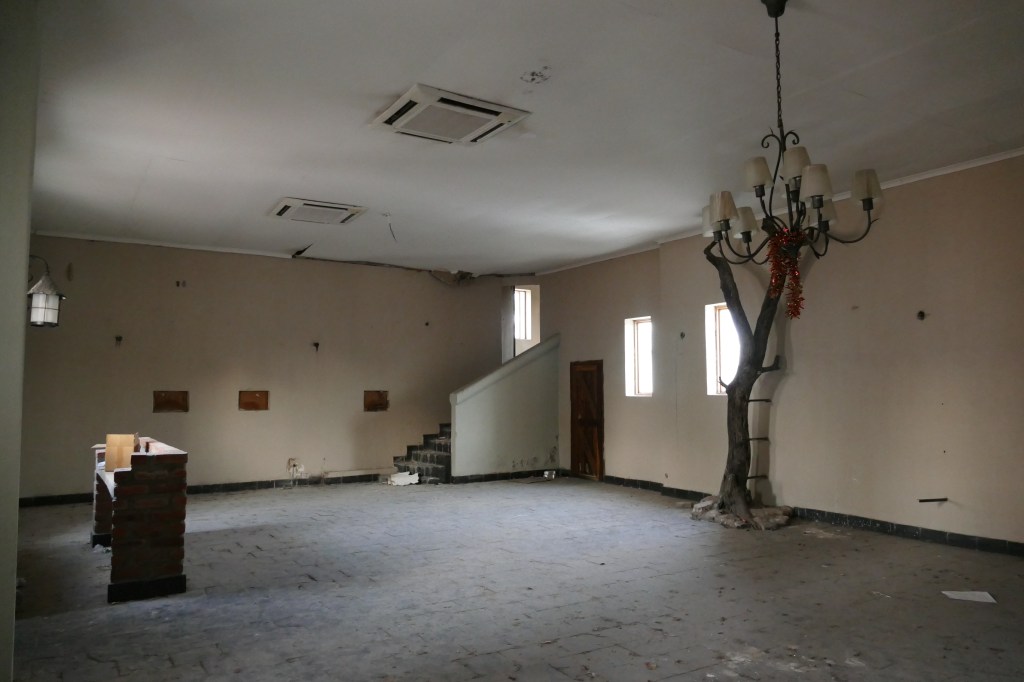
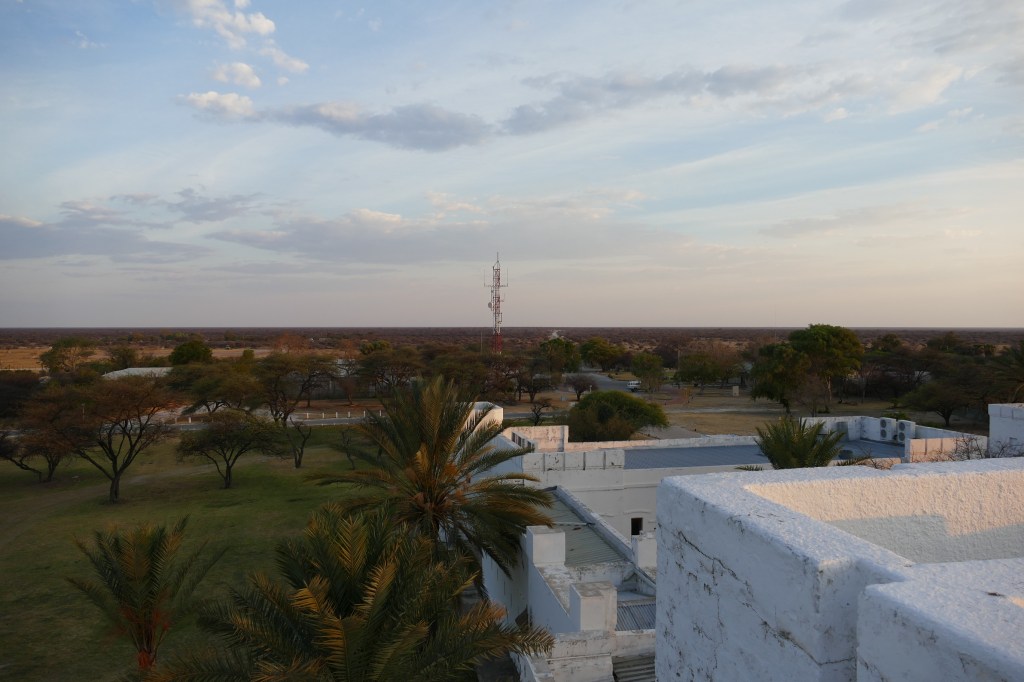
The inner yard once hosted shops, bars, and a restaurant but right now the facilities are not maintained any more, look shabby and run-down and only serve as tourist attraction. Still, one of the towers is accessible and makes ane awesome view point to oversee the region.
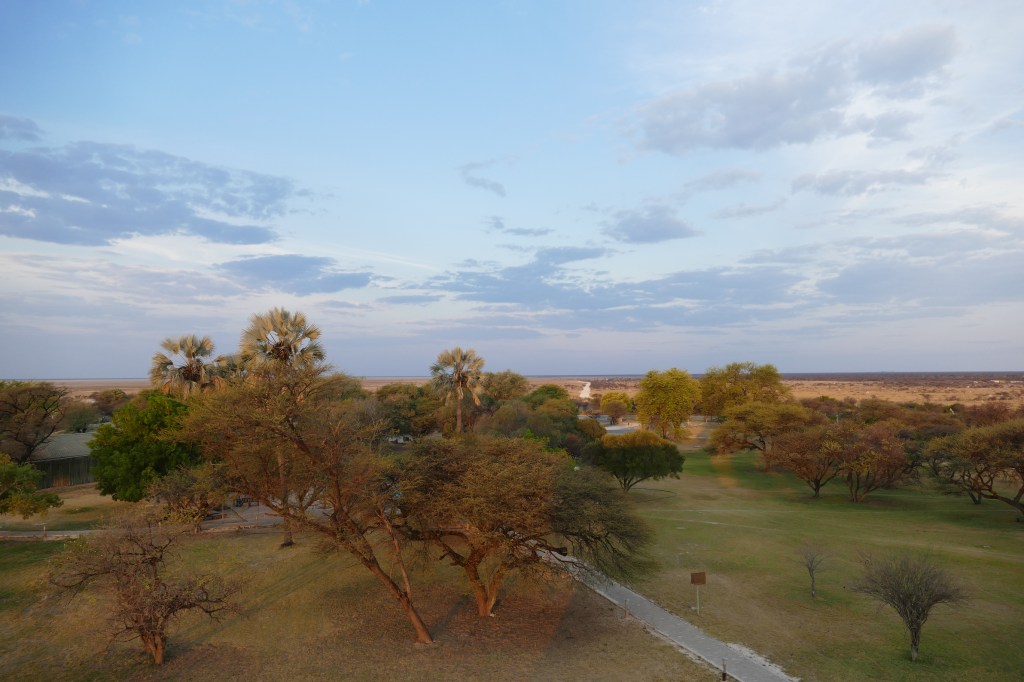
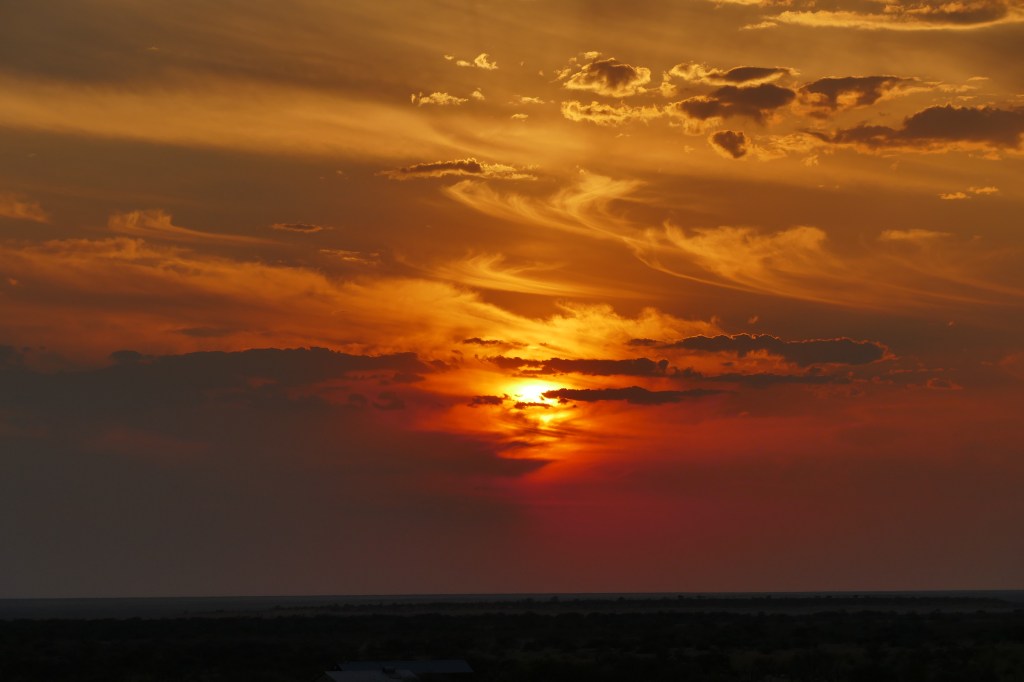
In the three days at Namutoni, there were only a few of things I wanted to do: Check the hyena den that I found some weeks before. Fires have been around the last two weeks, so I have been really concerned about the clan and especially the pups, rive up to the north-eastern part of the park, towards the King Nehale gate, drive around and find the leopard that is said to roam around here
I did not find the leopard, nor the hyena cubs but this is how nature is … unpredictable and not following one’s schedule. Instead other beautiful sightings enriched my days here …
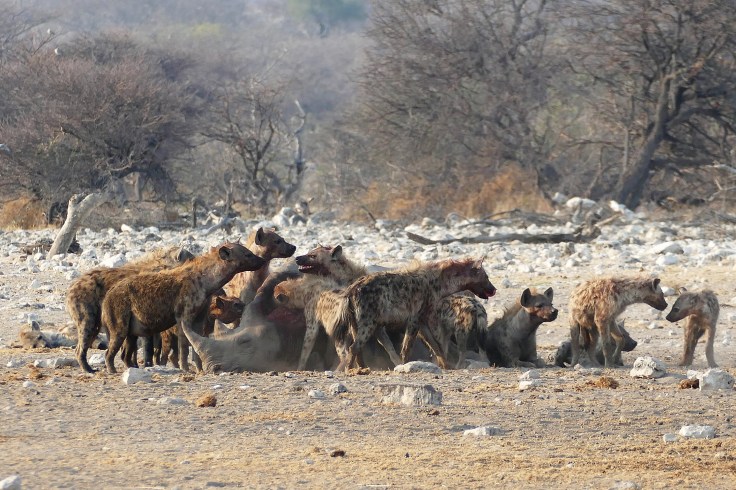
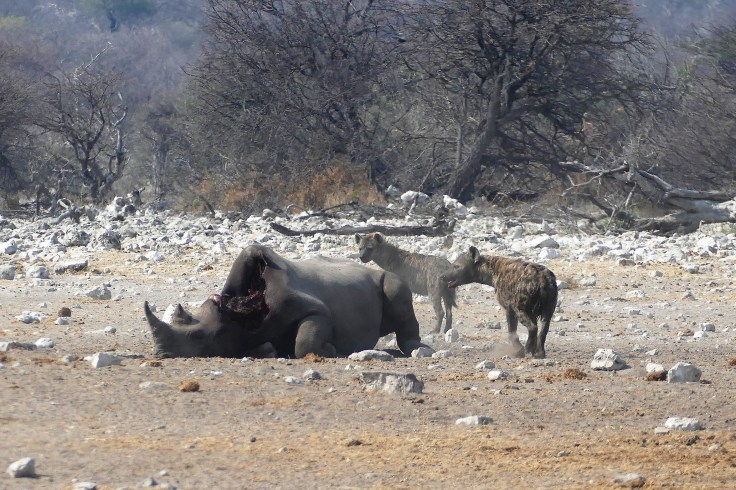
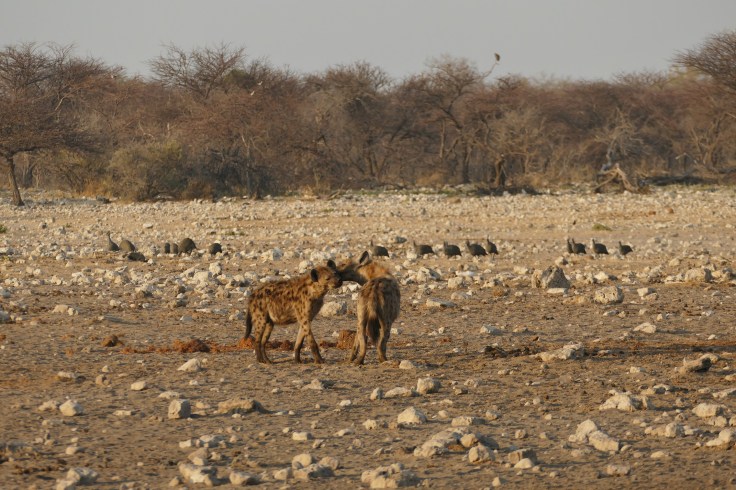
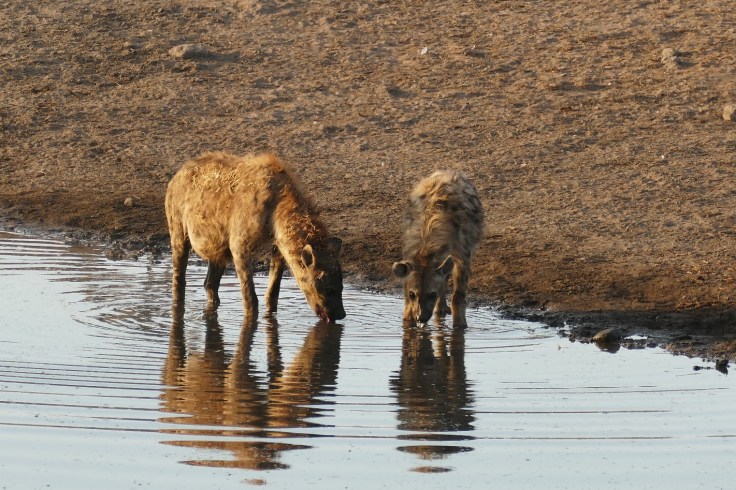
As sad as it is, but predators must eat as well … these hyenas were feasting for THREE days on a fresh rhino carcass and it was remarkable to see the progress they made but also to simply watch them interacting. Their clan structure is matriarchal and and hierarchical, there were some fights but also friendships could be seen and especially great was the fun they had when taking a bath 😊 But it is not only to watch the apex predators, it is also to all other things that go on when you spend some time there.
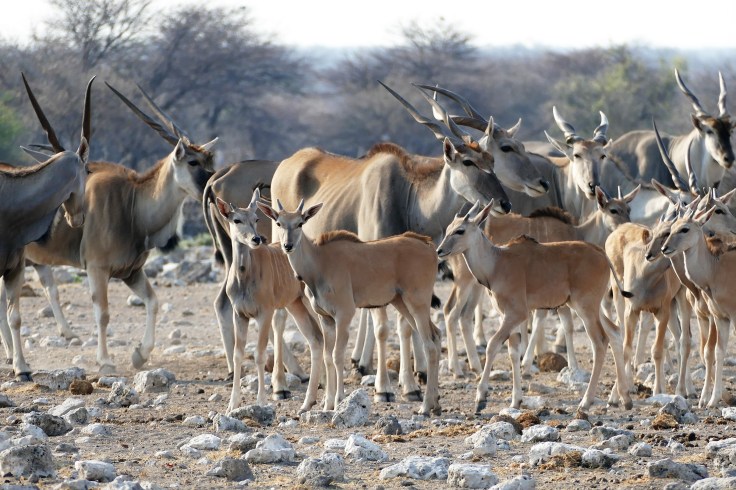
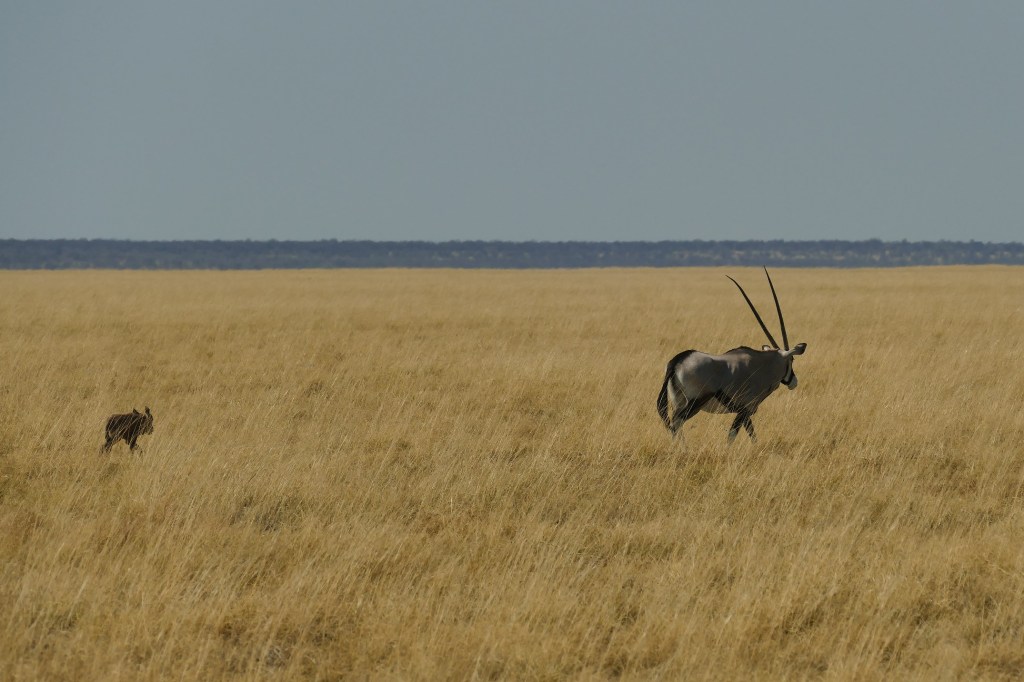
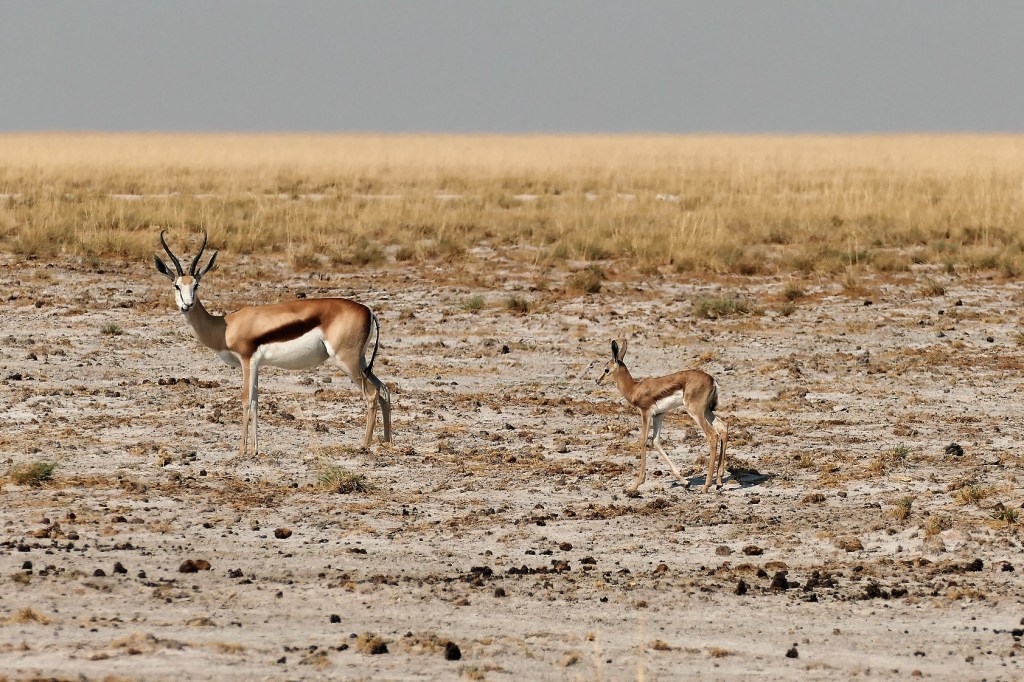
Probably one of my highlights: the new generation of Springbok and Oryx. The first rains are expected soon and for the last weeks all kind of bellies became bigger and bigger. I was hoping to see the newborns but so far these two were the only ones. While a lot of baby mammals look like a small version of their parents, the Oryx (Gemsbok) needs a while to grow the distinctive black-and-white coloration. I first did not even recognise it as oryx but thought it was a Jackal.
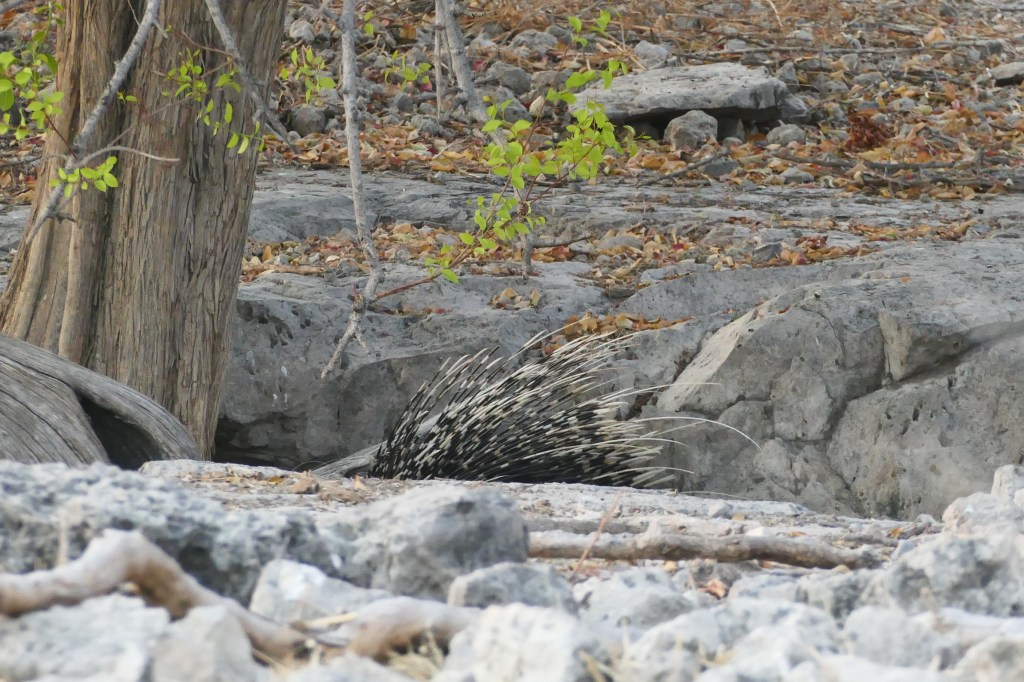
I really hoped to see the baby hyenas again and checked each morning and evening, but it seemed abandoned. Okay … nearly abandonded … it looked like it was taken over by a porcupine. These animals are nocturnal and it is not easy to see them but I was lucky enough to at least get a glance on it in the early morning, even though only from behind 🙂
This week really helped me saying good-by to the park. It is unreal that it is no longer my home but new adventures are waiting and I am quite excited.
Good night,
Sininho
 Sininho´s World
You must be logged in to post a comment.