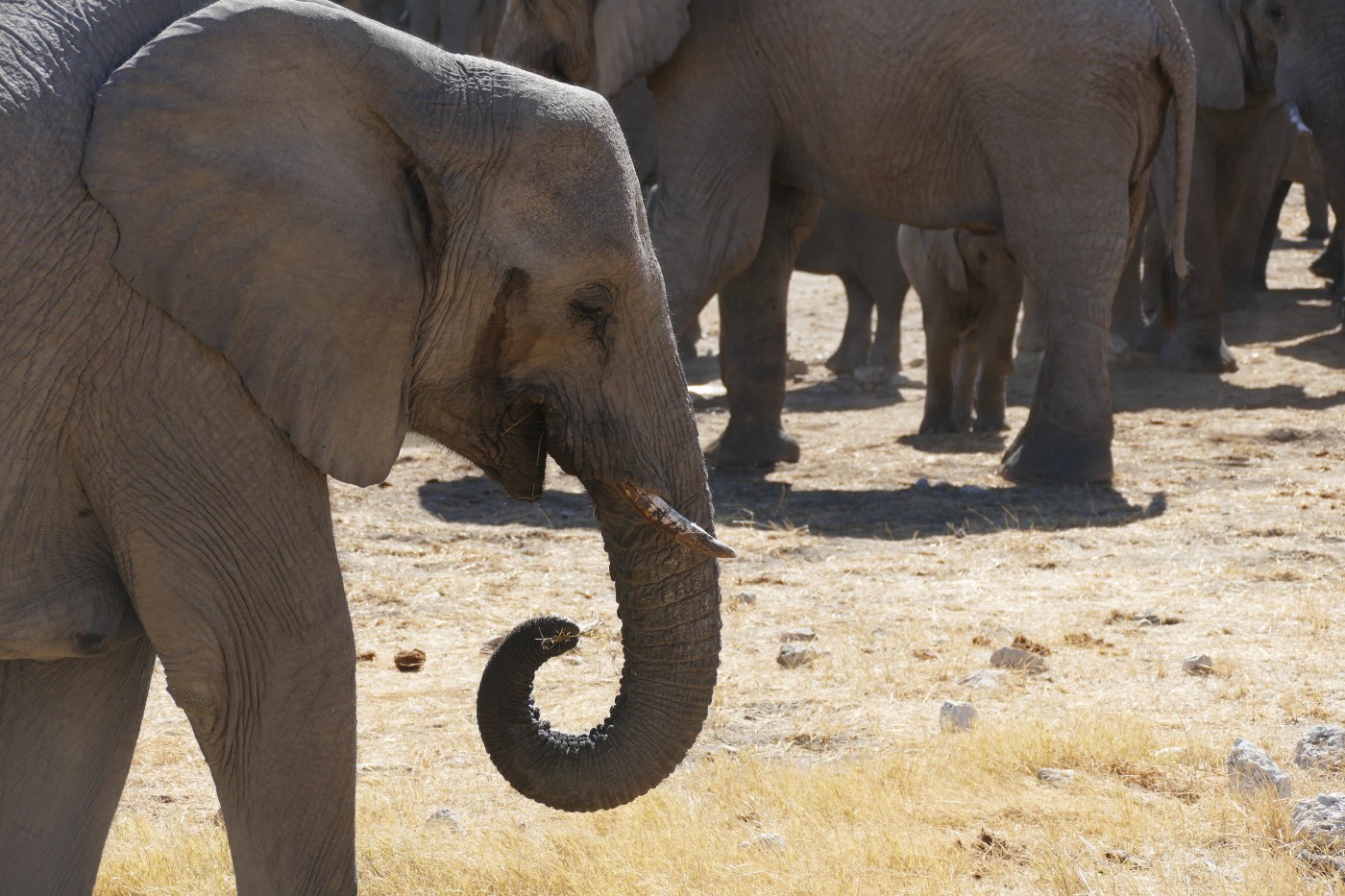
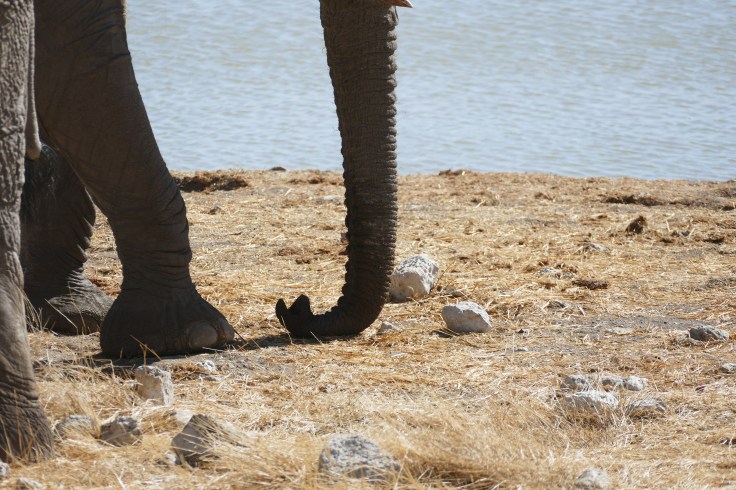
The trunk of an elephant is a fusion of the nose and upper lip and with over 40.000 muscles, divided into more than 100.000 units, it is a very flexible, powerful, and versatile tool used for a variety of activities.
| Usages of an elephant´s trunk Breathing Digging Picking up things as small as an acacia leave or a peanut Tear down trees Drinking (can contain up to 8 litres of water at a time) Sucking in dust/sand to blow it on its body Snorkel when swimming Communication (touch and smell, sound) Chiselling bark from trees |
The trunk is enourmously strong and can lift up to 350 kg (yes, cars have been turned over several times, so give the animal its space when approaching it 😊).
Its tip is equivalent to two fingers and is able to rip of bark from trees or even pick up a single peanut.
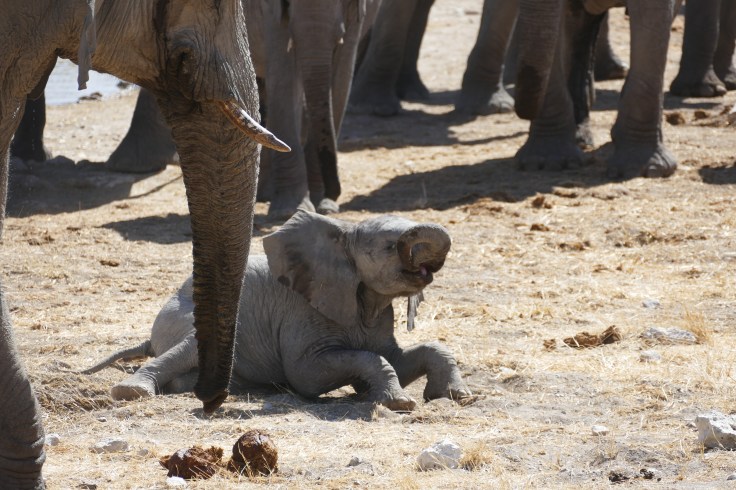
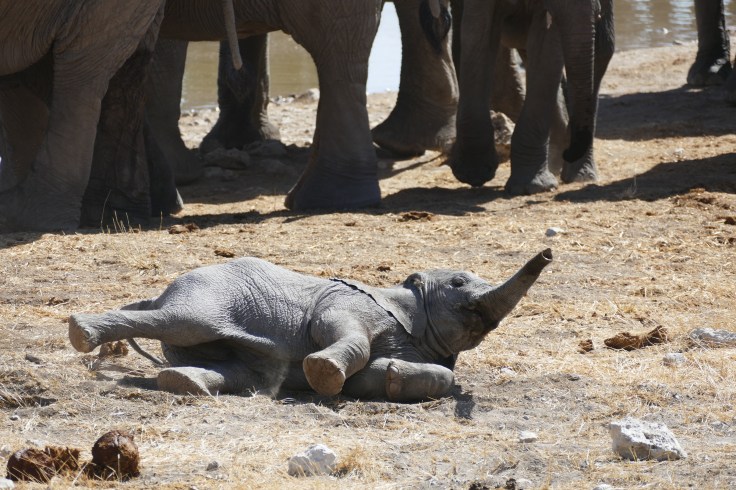
To our pleasure, elephants must learn how to use their trunk and it is a delight to see the babies struggling and not knowing how to handle that “long, wobbly thing in the face”. To become an expert, they need a couple of years and you can often see them trying to imitate the adults, even if they are not sure yet what purpose the action has. It is one of the cutest thing to watch!
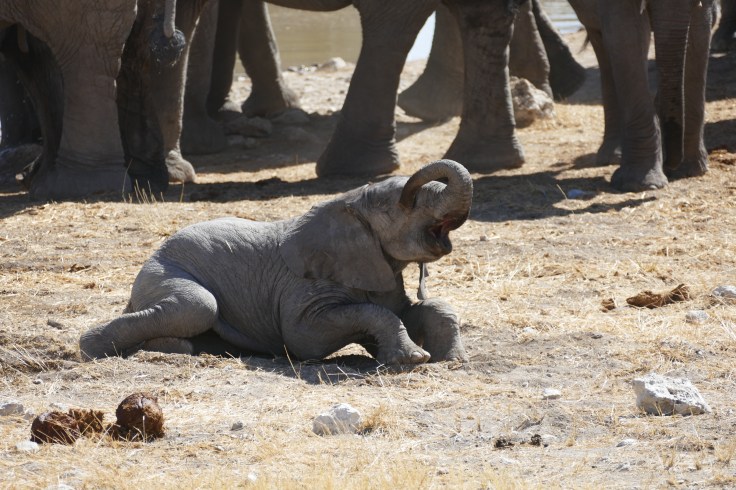
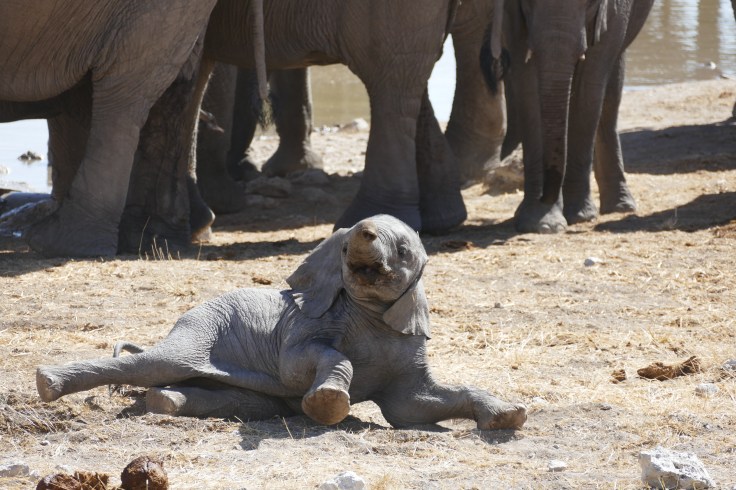
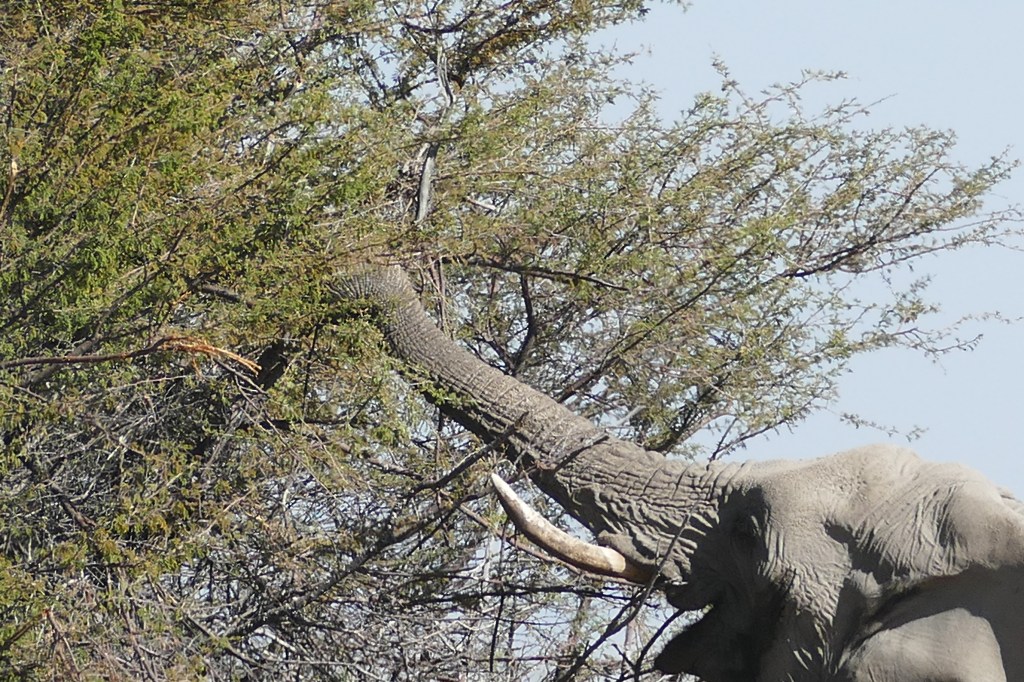
The trunk also has the advantage of extending the body size and get to the high-hanging fruits or leaves that other animals (except the giraffe) cannot reach.
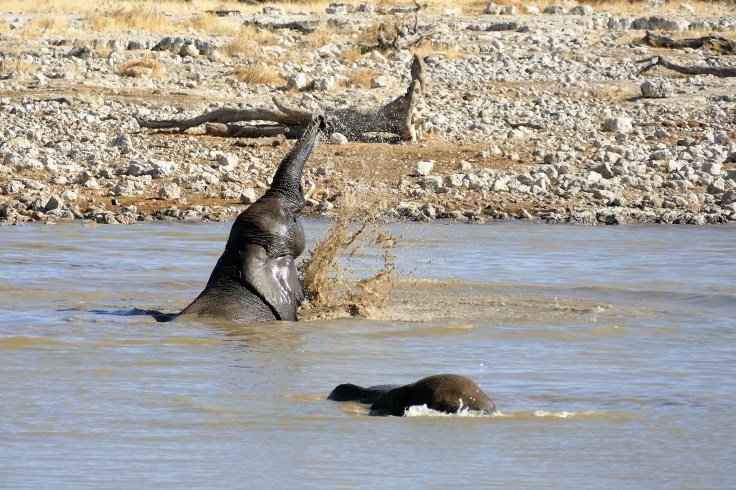
We all know that elephants love water. Not only because they are thirsty, but for pure pleasure. I often see them literally running towards it, just to jump in and play around like children. They punch with the trunk on the surface to make the water splash, they swim and even dive, with their trunk used as a snorkel.
Trunks can also be used as defence. And honestly, that thing is as thick and long as my leg and can weight as much as 140 kg. I really do not want to be beaten by it! Not even pushed!
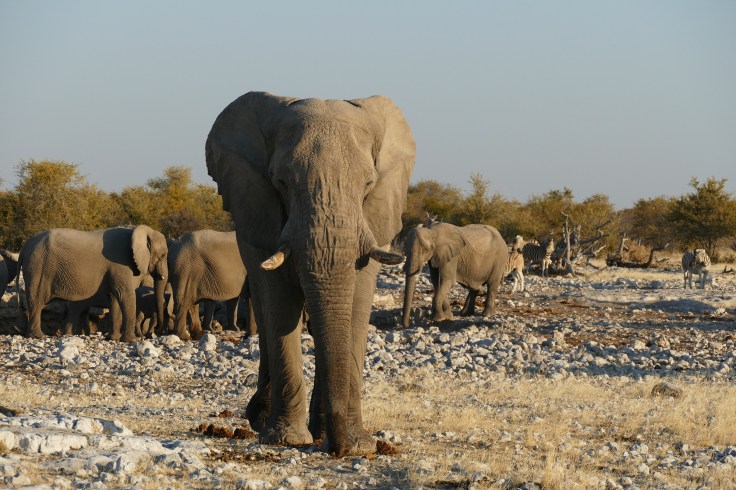
Whenever you approach an elephant (or herd), watch out for the wind. If it is blowing from you towards the elephant(s), keep an eye on their trunks as they try to catch and investigate your smell (they do the same with other elephants or predators). Sometimes, it is very obvious, other times, the trunk only points inconspicuously in your direction. Yes, elephants are very curious and they make sure to know what is going on around them, but they not always want to show that and do as if they ignore you 😊 I love it!
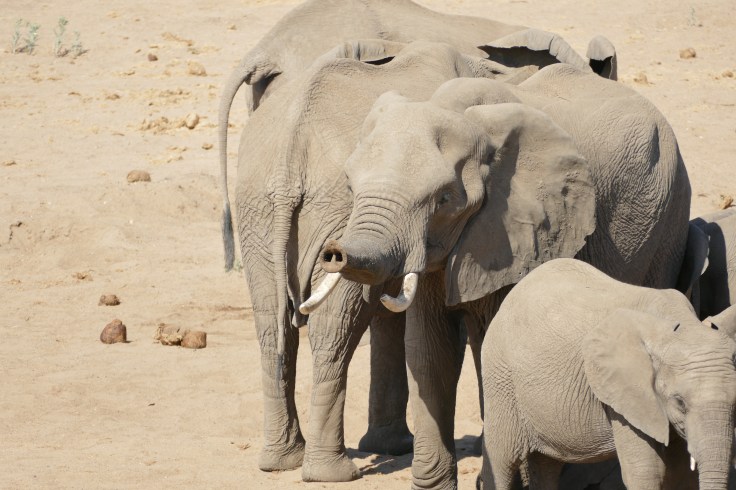
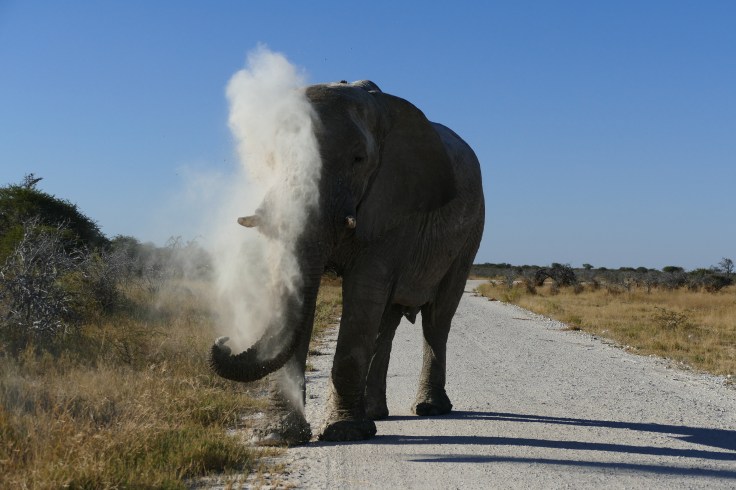
Using the trunk to suck in dust and through it all over the body is one of the most spectalar uses, at least from a viewer´s perspective. This is done for parasite protection, to cool down, or even as a show-off to scare potential danger and yes, it can be quite intimidating!
According to Joyce Poole – an elephant researcher and co-founder of Elephant Voices, the trunk is also used in displacement activities. In an interview with National Geographic she states that “when an elephant feels uneasy, or is ambivalent about what to do next, he or she may use the trunk in a “touch-face” gesture, a “self-directed touching of the face, mouth, ear, trunk, tusk, or temporal gland, apparently to reassure and self-soothe.” Apparently, elephants pet themselves with their trunks to makes themselves feel better.” (Source: Treehugger)
Have a lovely evening,
Sininho
 Sininho´s World
You must be logged in to post a comment.