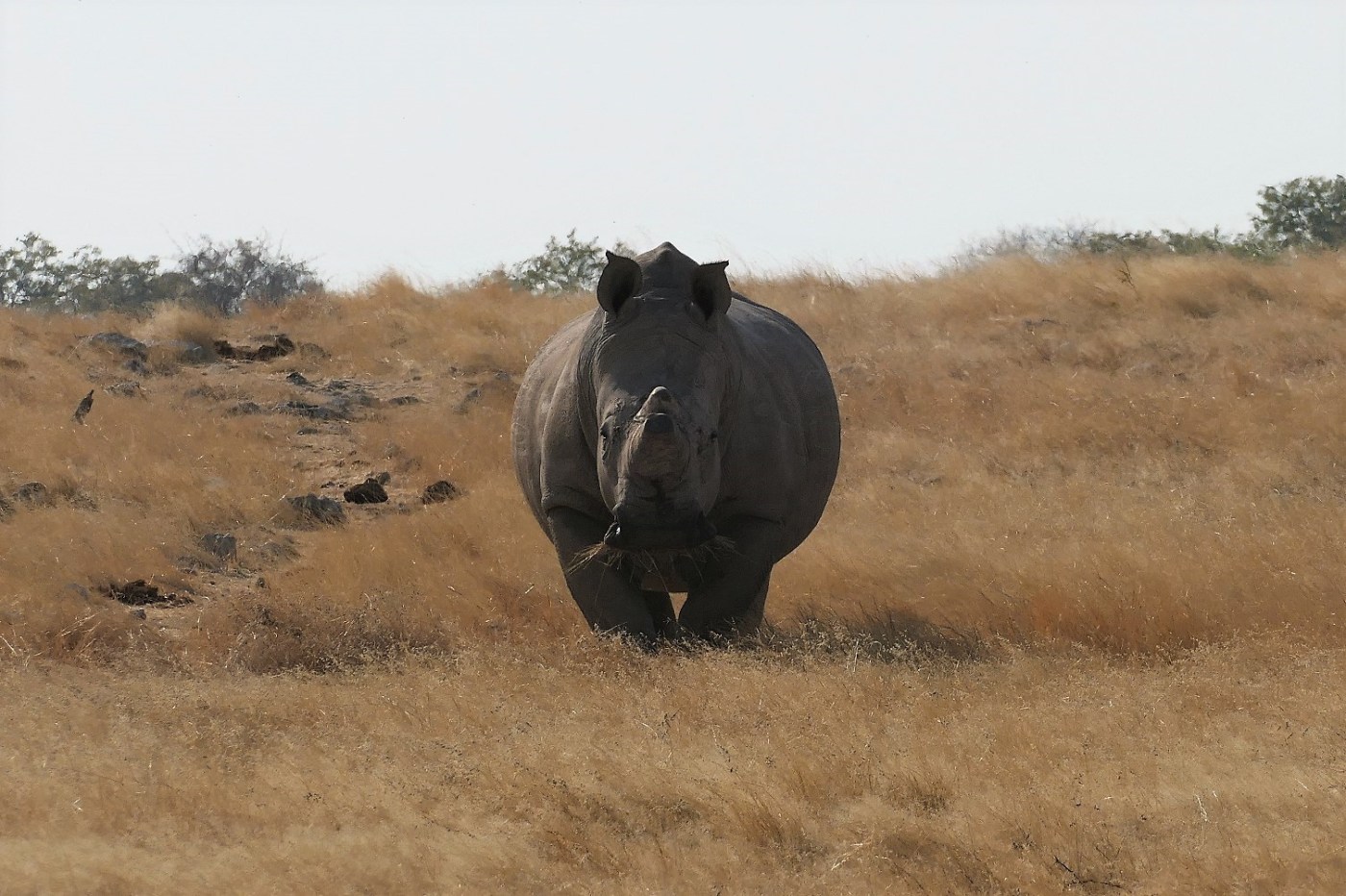
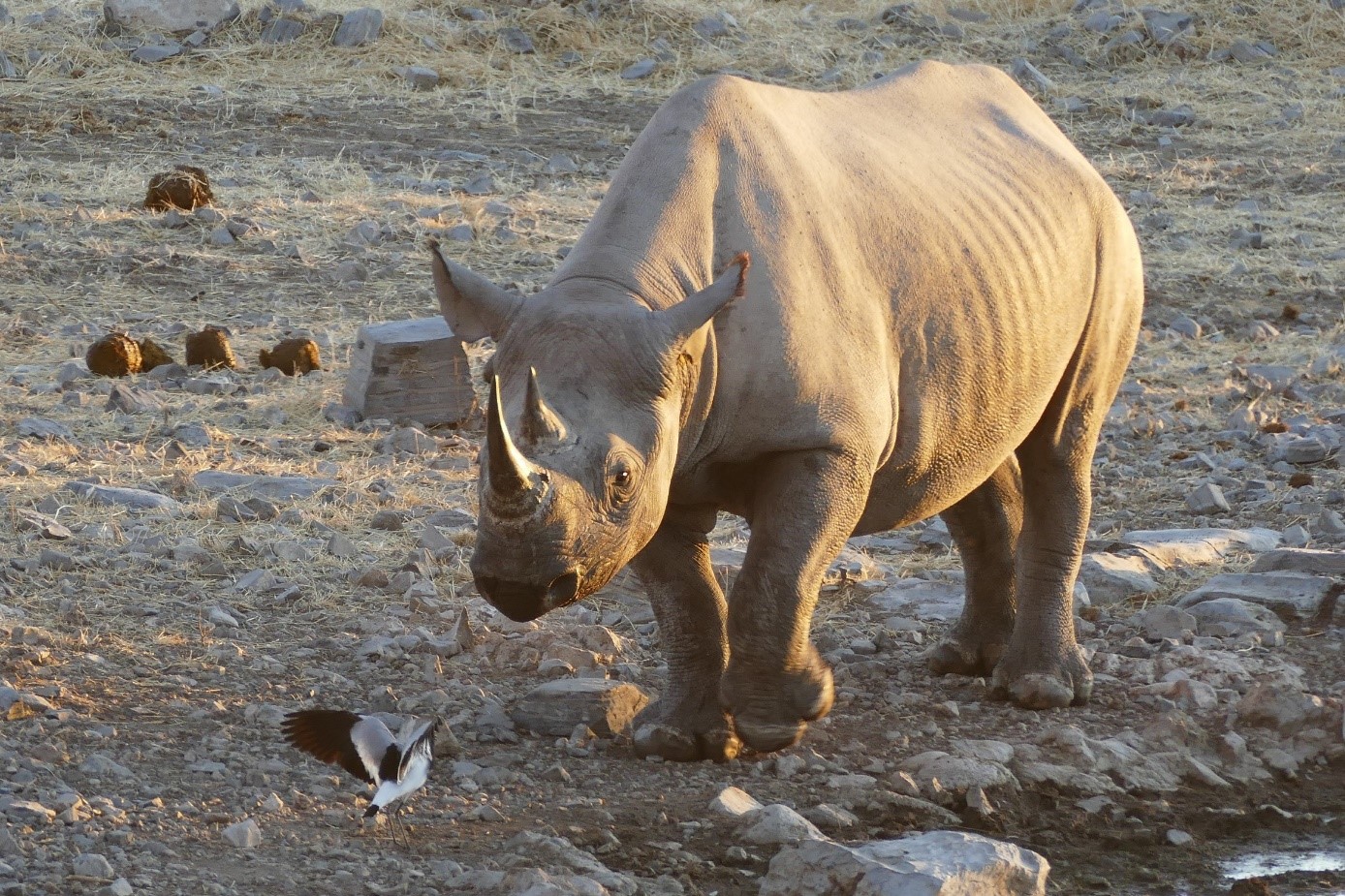
Poaching and severe droughts brought Black rhinos close to extinction but Namibia´s government is doing its best to protect these grey giants and reintroduce them back into the wild.
Etosha is one of the locations where these animals can roam freely and fairly protected from poachers and especially the waterhole here at the Okaukuejo camp is famous for its sightings in the evenings and at night. Black rhinos become nearly a “normal” sight, although it is of course always a great joy to find them browsing outside.
This morning, I had the great pleasure to meet its cousin, the White Rhino.
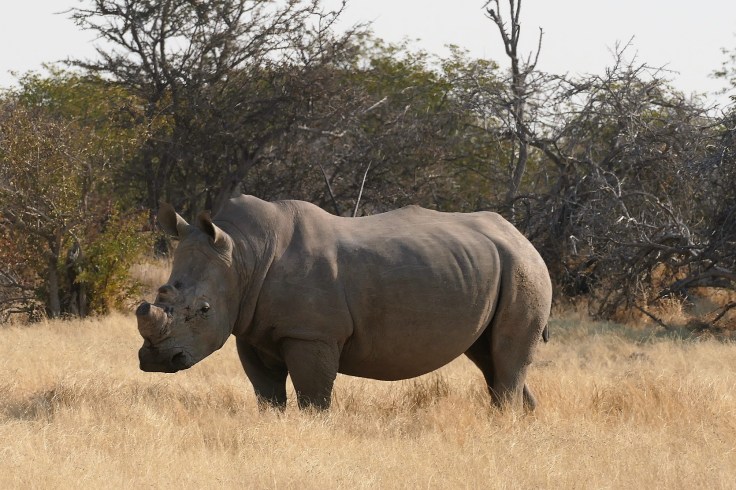
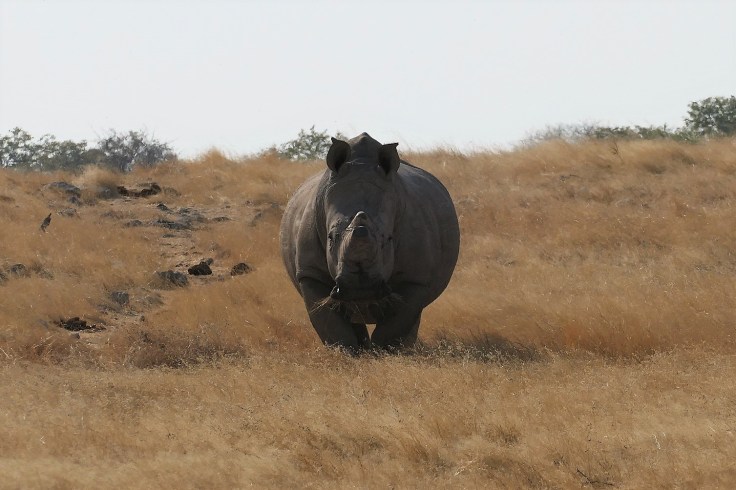
In comparison to its “black” relative, the White rhino is a pure grazer with a wide, square mouth to feed on short grass. It is perfectly adapted to grazing and can´t hold his head high.
Although none of the two rhino species is black or white, they show a couple of differences:
| White rhino | Black rhino |
|---|---|
| Bigger than the Black rhino (average size: 1.80 m) | Smaller than the White rhino (average size: 1.60 m) |
| Diurnal | Nocturnal |
| Grazer (Feeds on grass) | Browser (Feeds on leaves) |
| Less temperamental/aggressive | More temperamental/aggressive |
| White rhino calves walk in front of their mother | Black rhino calves follow their mother |
| Square-lipped muzzle | Hook-lipped muzzle |
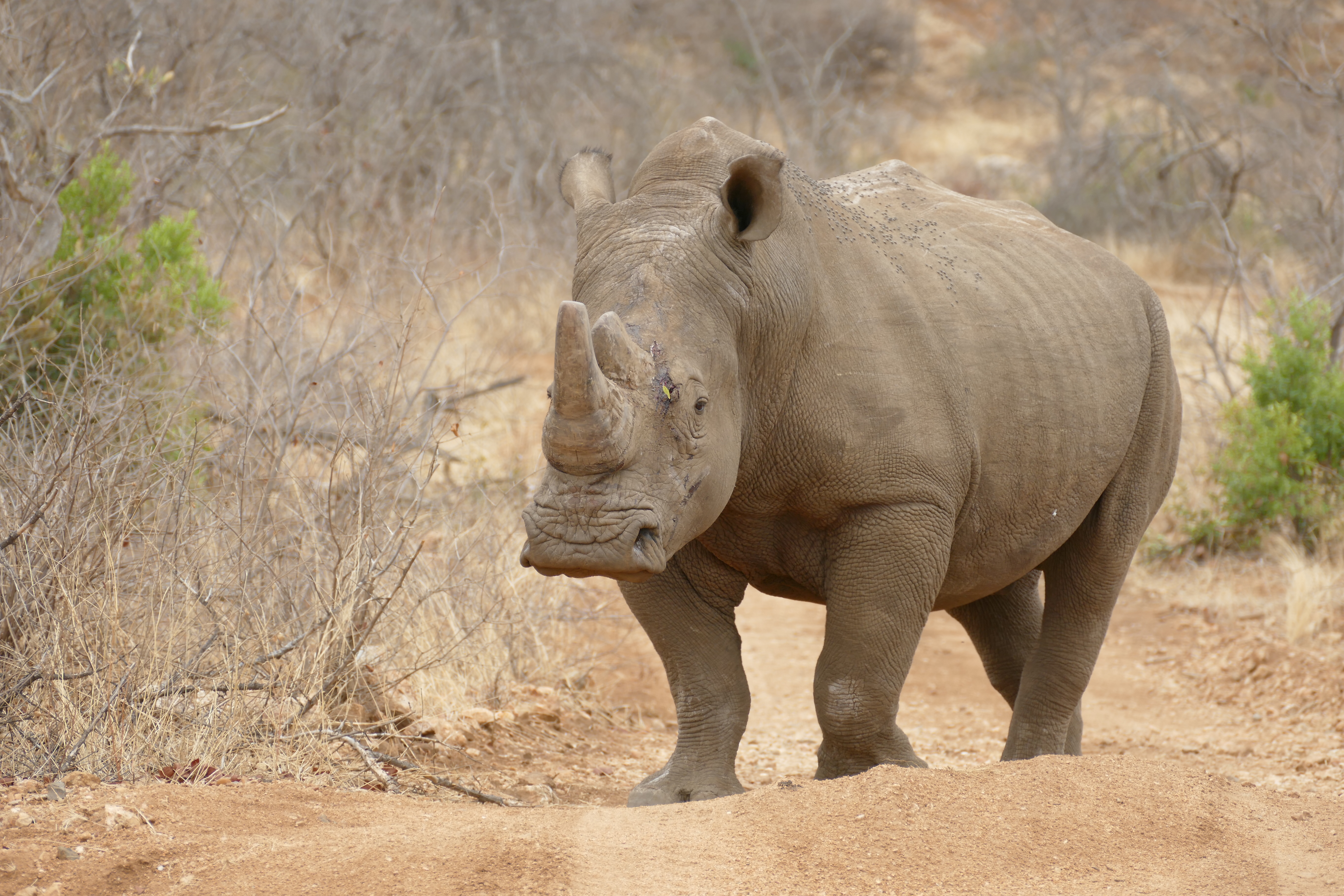 |  |
Interesting fact: The name does not come from the colour but is a wrong translation from the Afrikaans “wyd” which means “wide” This was a description for the mouth. Black and white rhino do not differ in colour (but size and feeding habits).
Good night,
Sininho
 Sininho´s World
You must be logged in to post a comment.