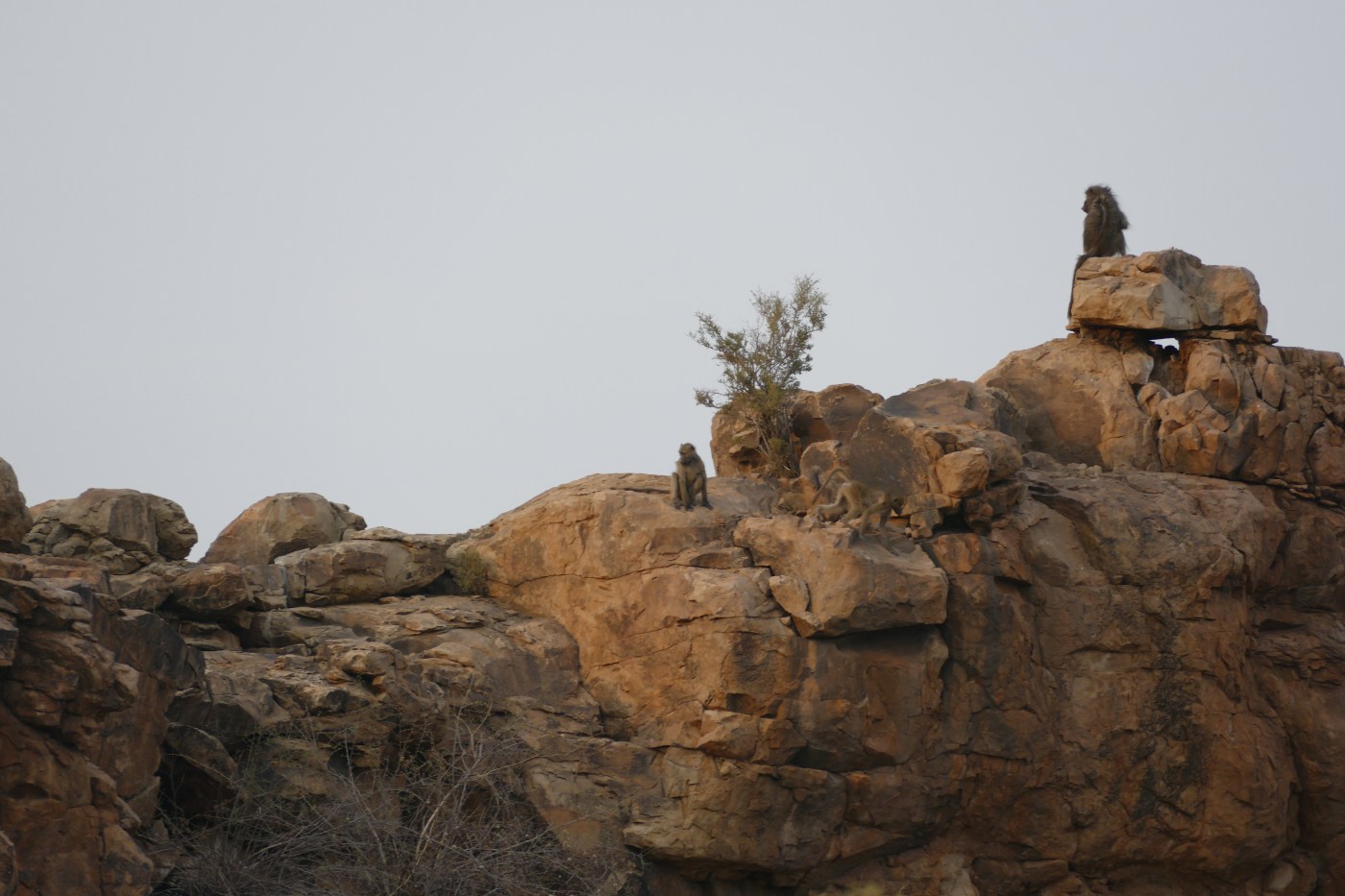
Just wow! After the first week here in Mashatu, I am still flashed. I love this piece of Earth!
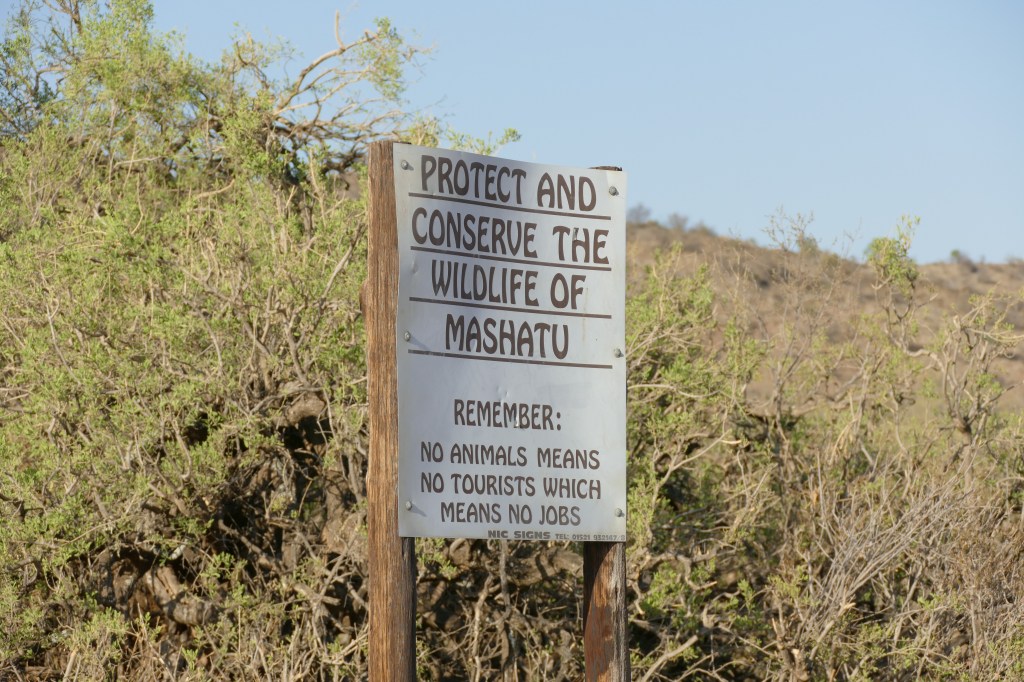
It is stunning!! The landscape has huge plains, with some small ridges and hills (koppies). The plains are very dry at the moment, spiked with some shrubs and from time to time a tree, but even in that bad condition, the landscape has something special.
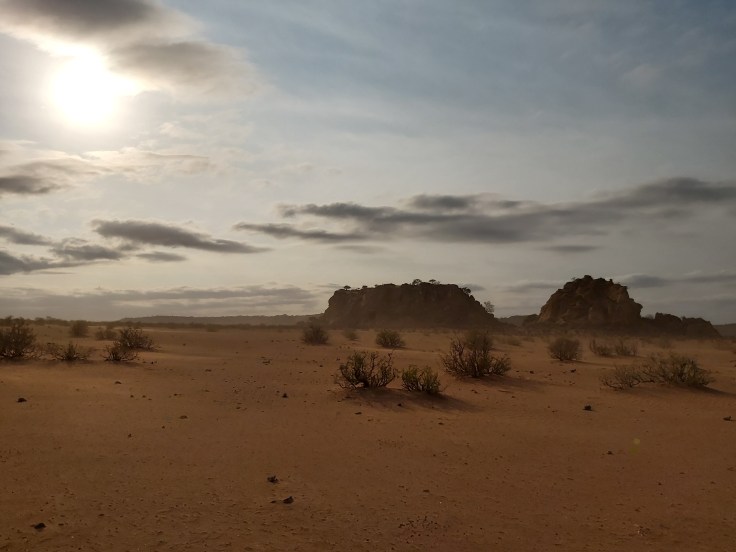
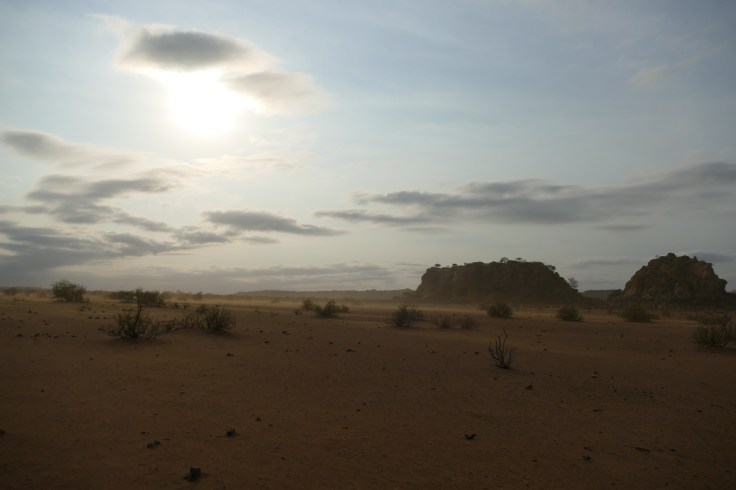
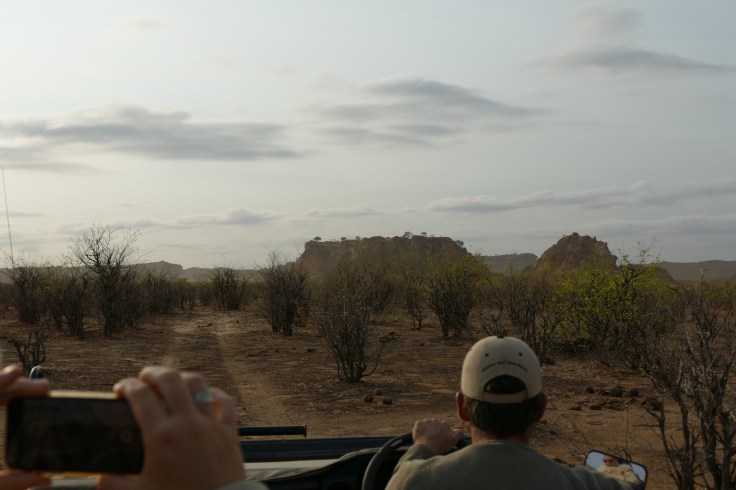
The hills in front of us are still a sacred place for the locals and it is prohibited to climb them or even to point on them.
Flora and fauna here are different to Selati. What is amazing is that it is kind of given to see elephants and impalas on every single activity. But I do not mind. Not at all, even though it was obvious, that some of the course colleagues got a bit tired of all the impalas. We students have to lead the drives or walks and treat our fellow students as if they were guests. This means that whenever we see an animal, a tree, a plant, or a bird, we provide information about it. But when you hear the same information repeatedly, it becomes indeed a bit boring and unexciting. And this is what happens with the impalas. I feel so sorry for them. They belong to the smaller antelopes, let´s say medium-sized, and their fur does is golden-brown on the back and becomes paler towards the belly, not showing any specific pattern. But does that mean they are boring and not worth to be stopped for? No!
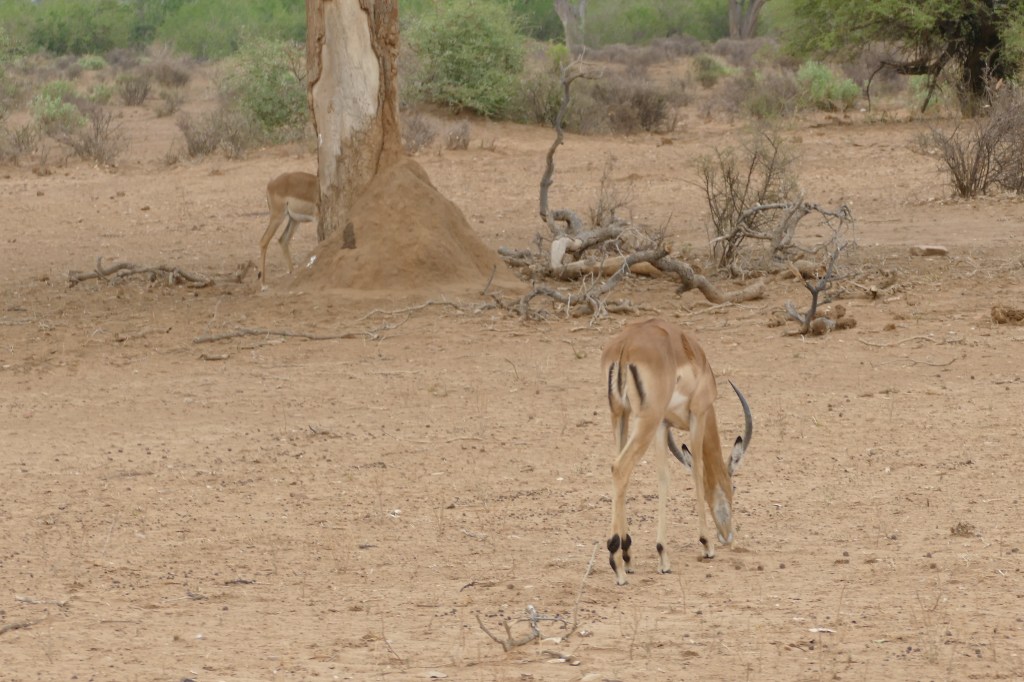
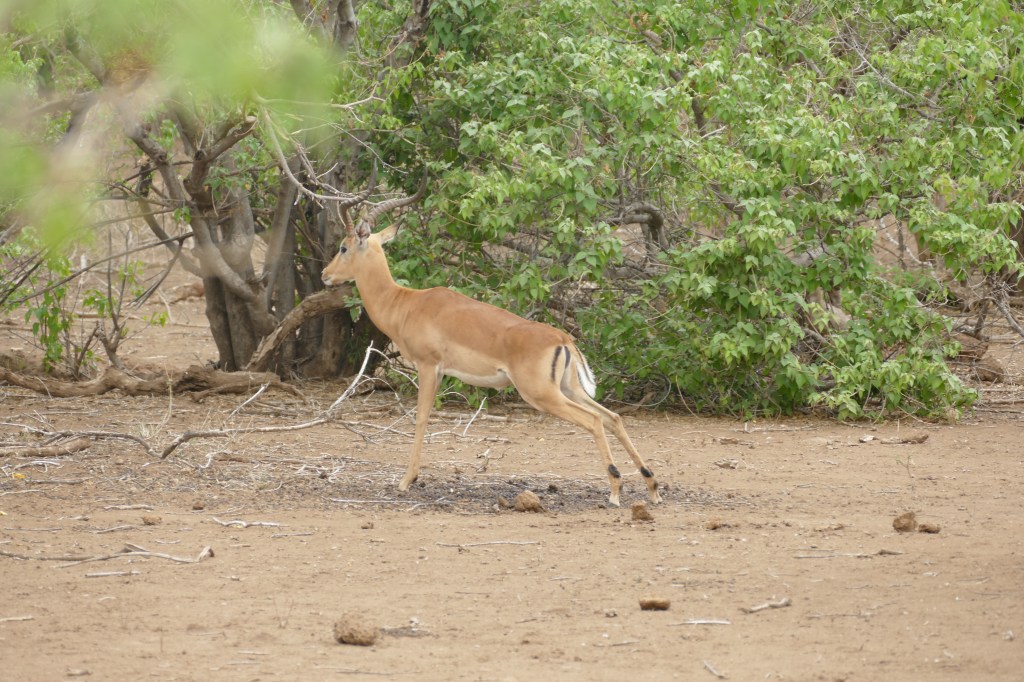
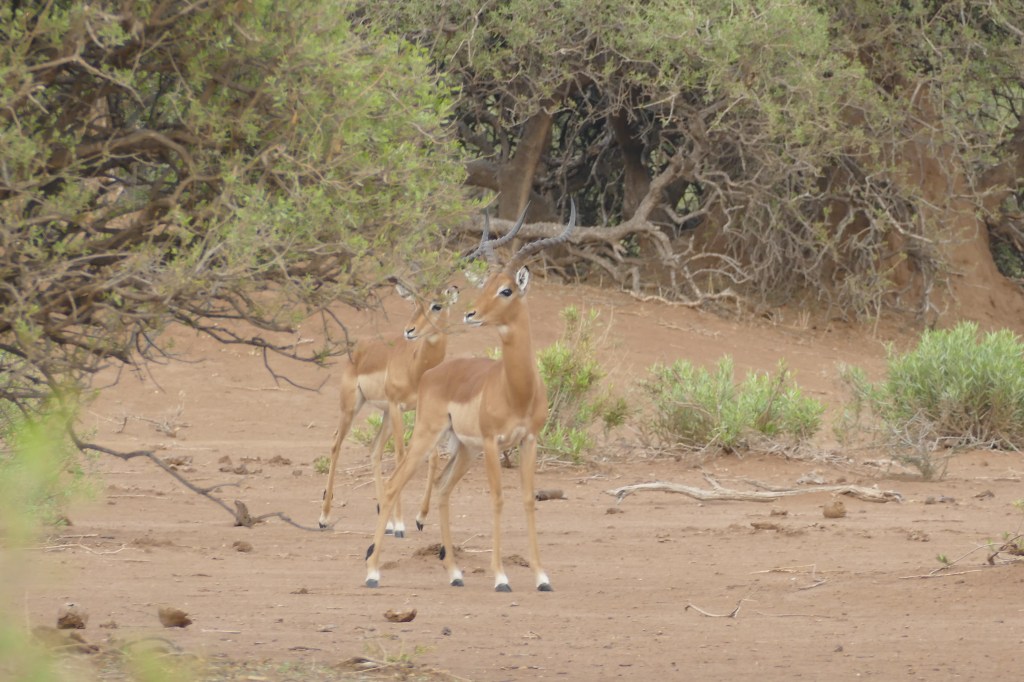
I at least still like them and would stop for every single one. They have a very cute face with their big eyes and ears and this little white moustache around their mouth. Their long and slender legs give them a simple elegance and I am always scared that they break them when they run and jump around in case of danger. Impalas have a short brown tail that has a dark stripe on top and is white underneath. The white is called a “follow-me sign”. It can be used for other members of the herd or offspring to make it easier to follow. But it is also used in case of attacks from predators. Why would that make sense? Most predators react on movement and have a black-and-white-vision. If an impala is attacked and sprints away, the tail goes up and displays the white underpart of the tail that is clearly visible to the hunter. But as soon as the impala stops, the tail goes down and the follow-me sign disappears. I would say “clever impalas”, but a lot of the other antelopes use this behaviour as well 😊
We also see a lot of small elephant herds and again it is impossible to become bored. To watch these giants is always an adventure. They are so clever and smart animals. I read a lot about them, about their hierarchical herd structure and their behaviour in different situations, but it is different to see it with the own eyes.
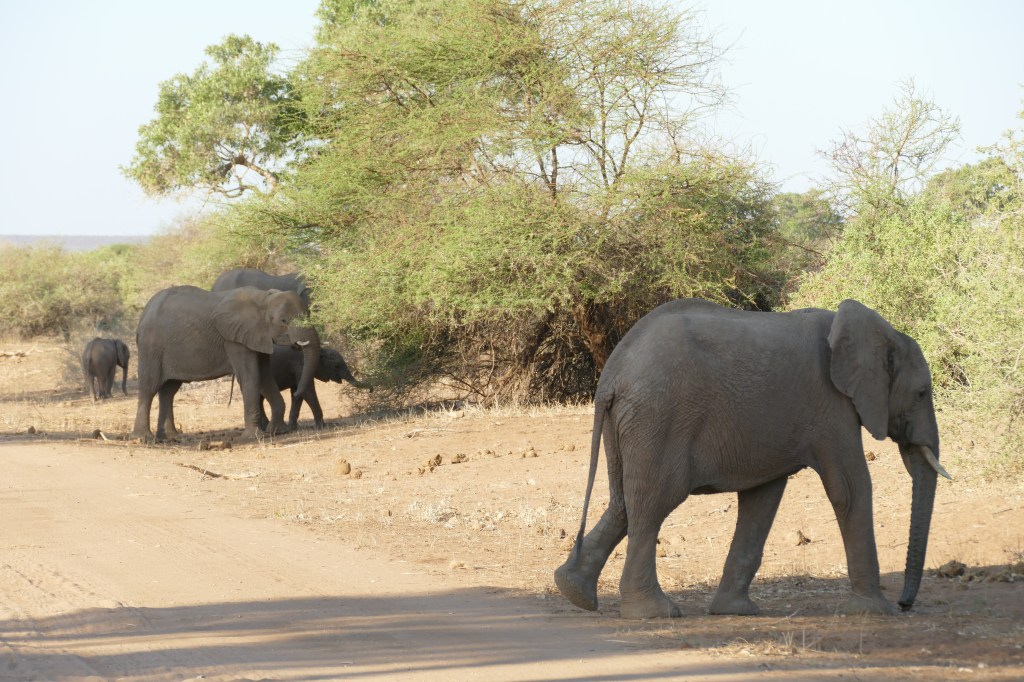
This little guy for example …

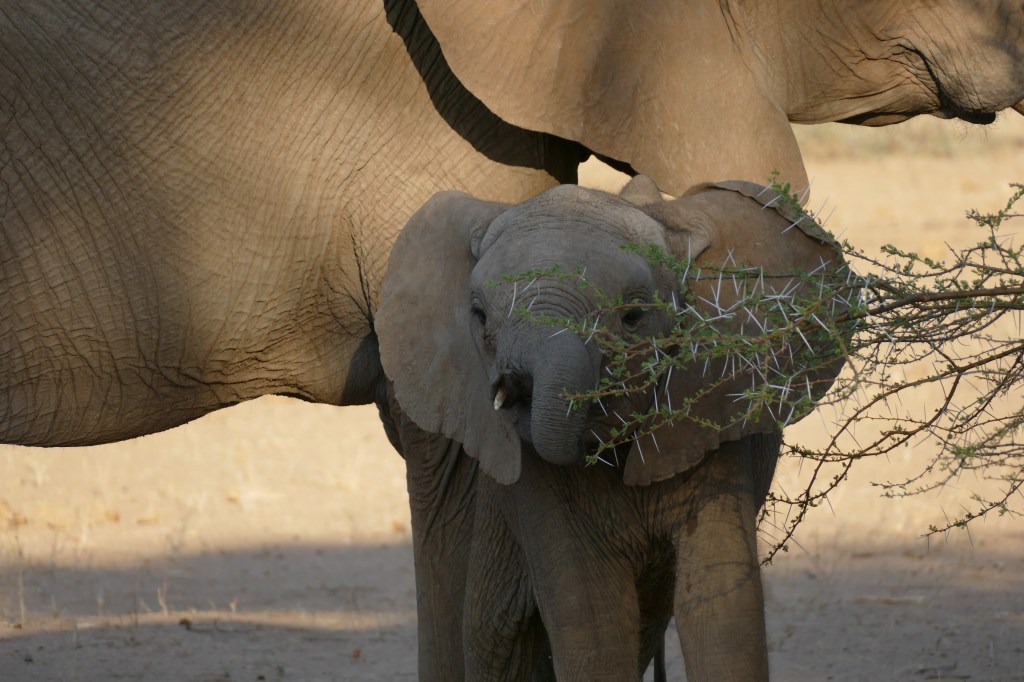
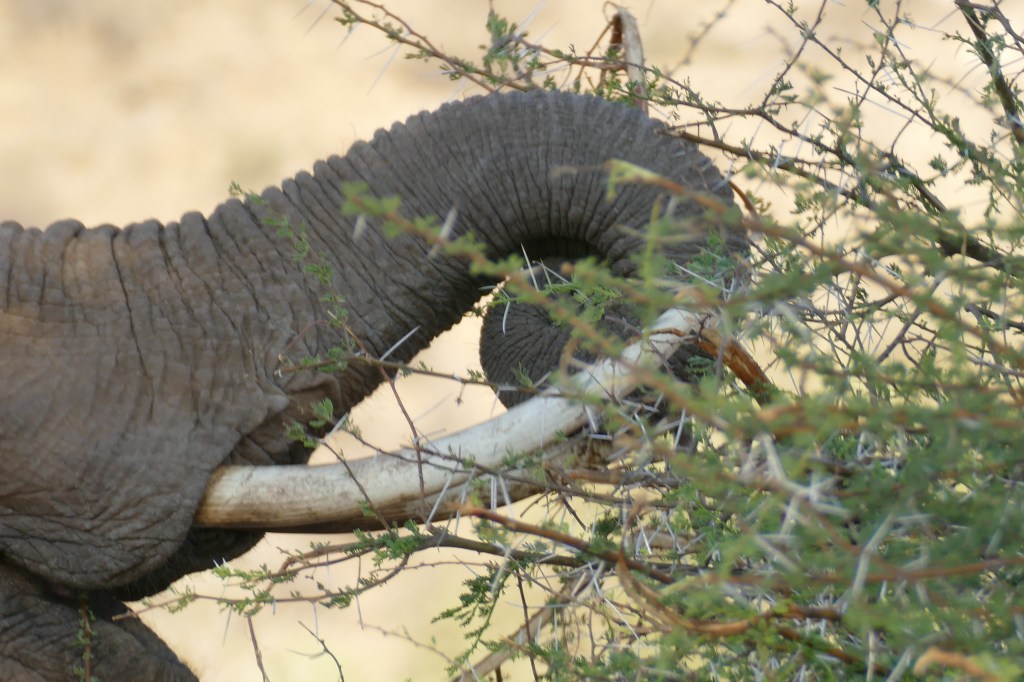
he is not really sure what to do with his trunk, but he sees his mom using it so confidently that he imitates her. Not a hundred percent successful yet, but he´ll be there soon. As he sees us, he becomes a bit insecure and nervous but in the safety of his mom, he even starts flapping his ears, a clear threatening towards us. Is he not a cute and brave little boy?
But we must be careful. If the small ones get scared, this might alarm the whole herd, and this is the least we want.
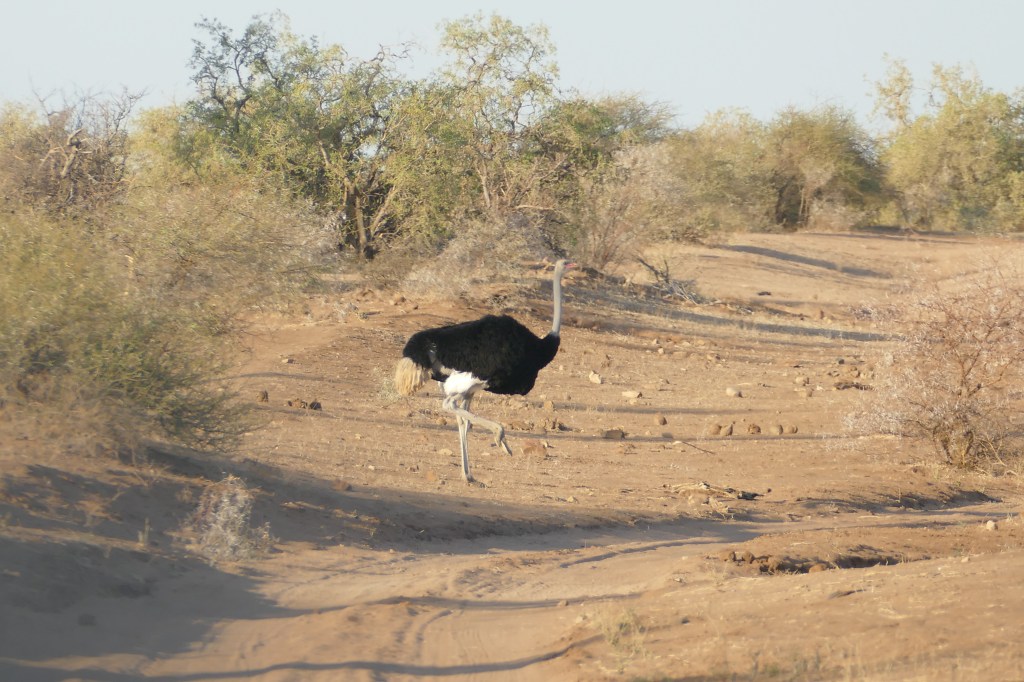
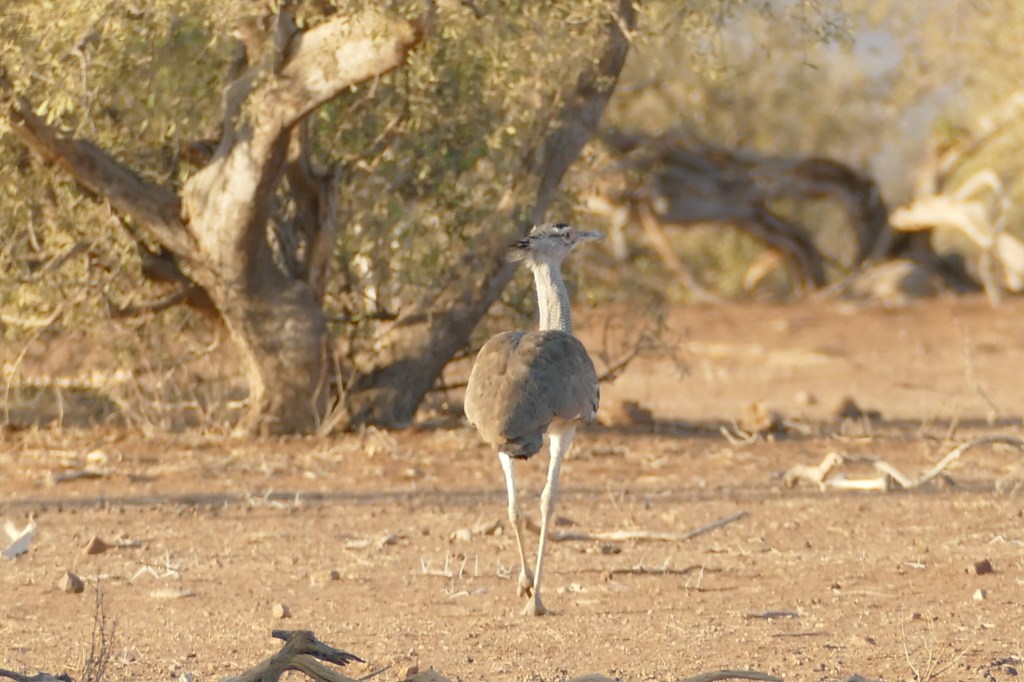
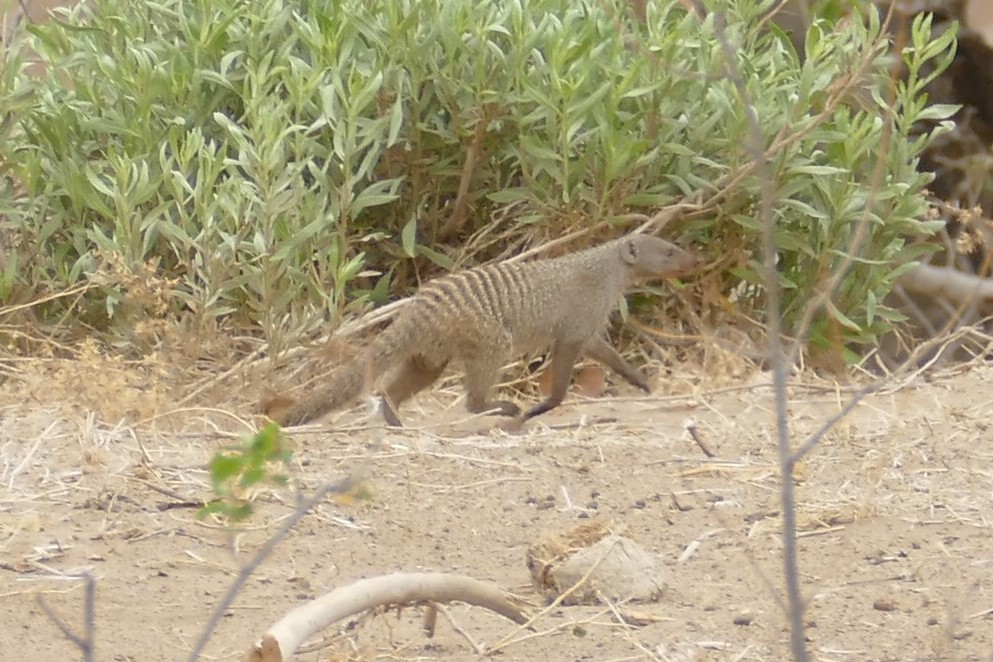
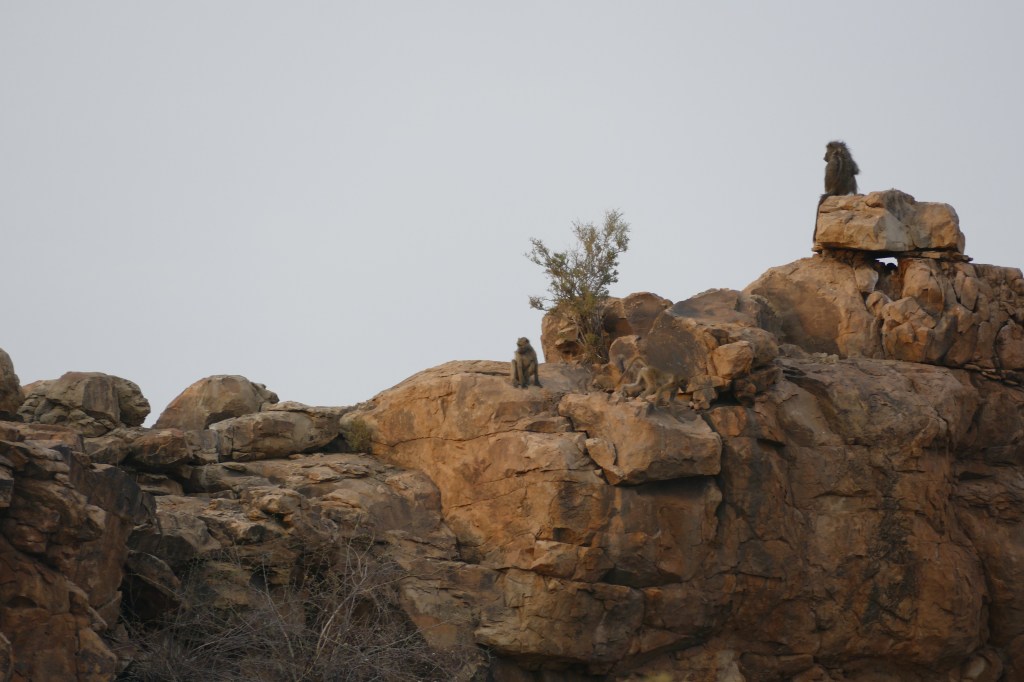
Apart from those very special herbivores, my highlights of this week were the kori bustard (one of the heaviest flying birds), ostriches (the biggest non-flying birds), a banded mongoose and the baboons that obviously enjoyed their view from the ridge.
I am already looking forward to what Mashatu will provide us in the next weeks.
Good night,
Sininho
 Sininho´s World
You must be logged in to post a comment.